A whistling pipe is usually water being forced through a gap that is too small for the flow: a valve left partly closed, a worn washer or float valve, limescale in an outlet, or pressure high enough to make a normal fitting sing. The pipe itself is seldom at fault. It carries the sound from the fitting to a floor or wall that amplifies it.
Two-minute check
- Listen with every tap shut and no appliance running. Note whether the whistle stops.
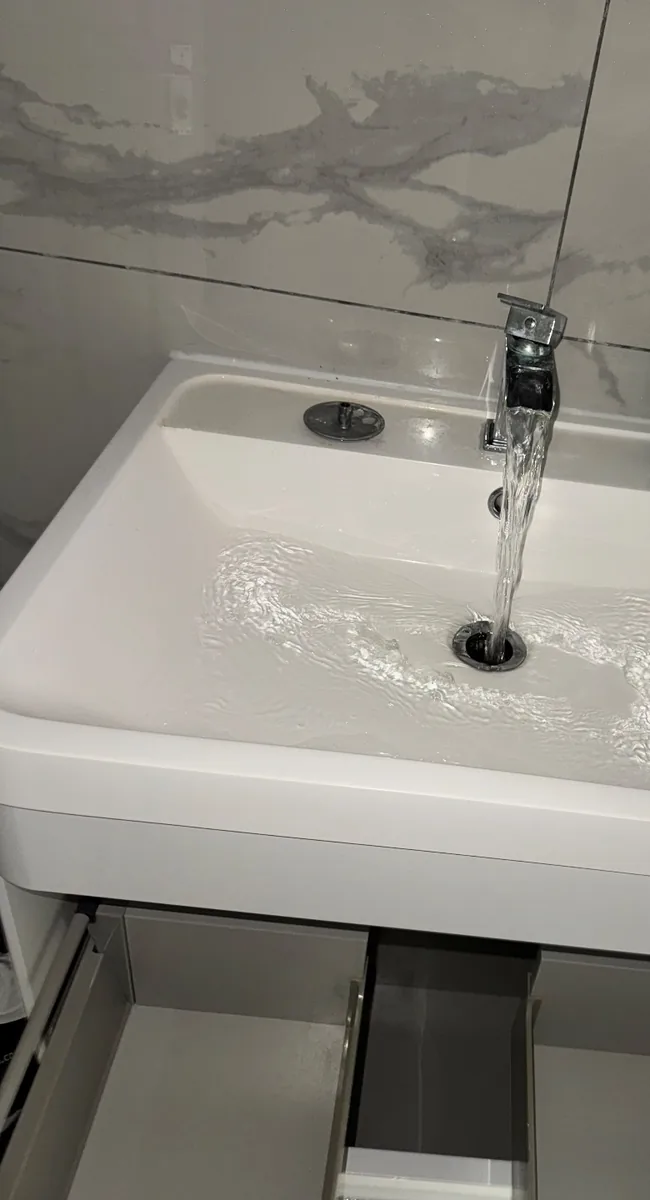
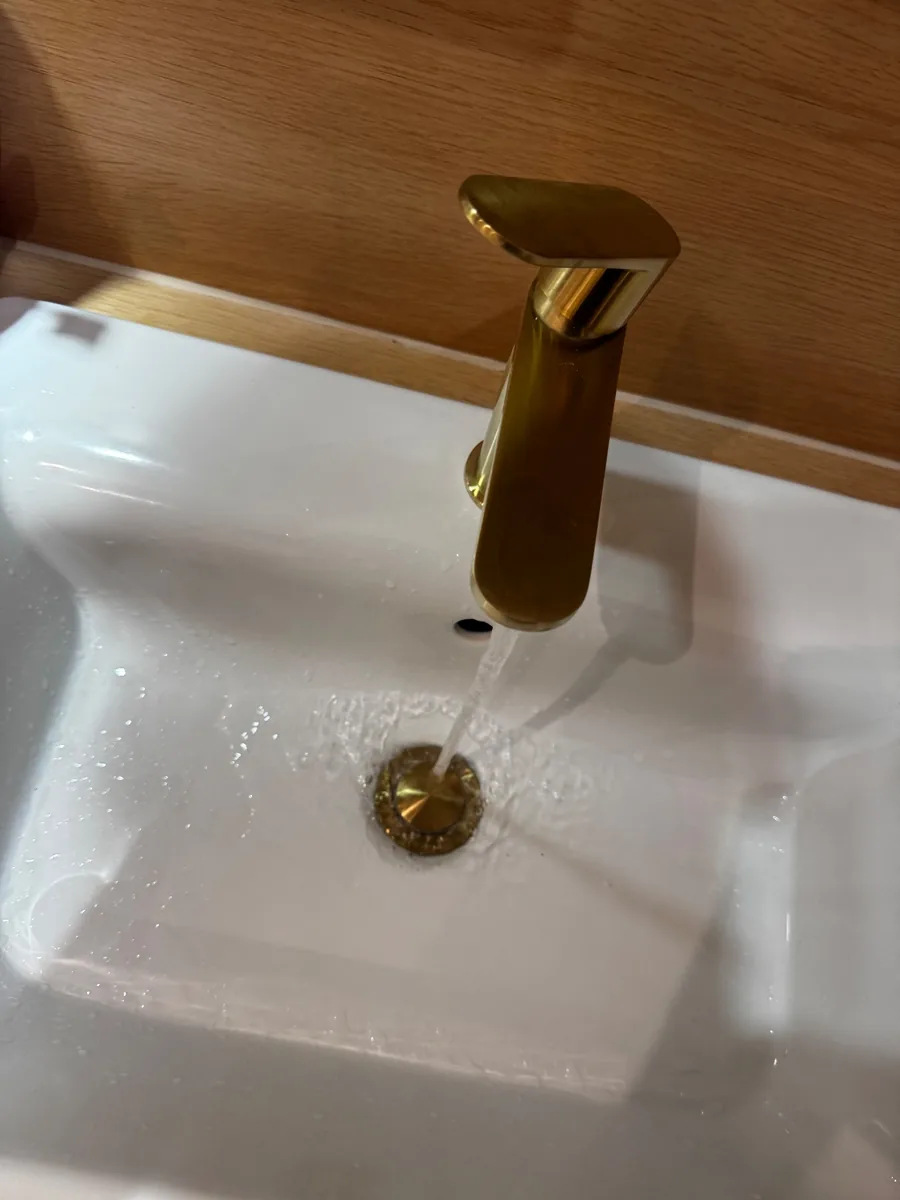
- Open the cold taps one at a time, then the hot taps. Write down which ones start it.
- Flush each WC and listen while the cistern refills.
- Look at the end of a noisy tap for visible limescale, without dismantling it.
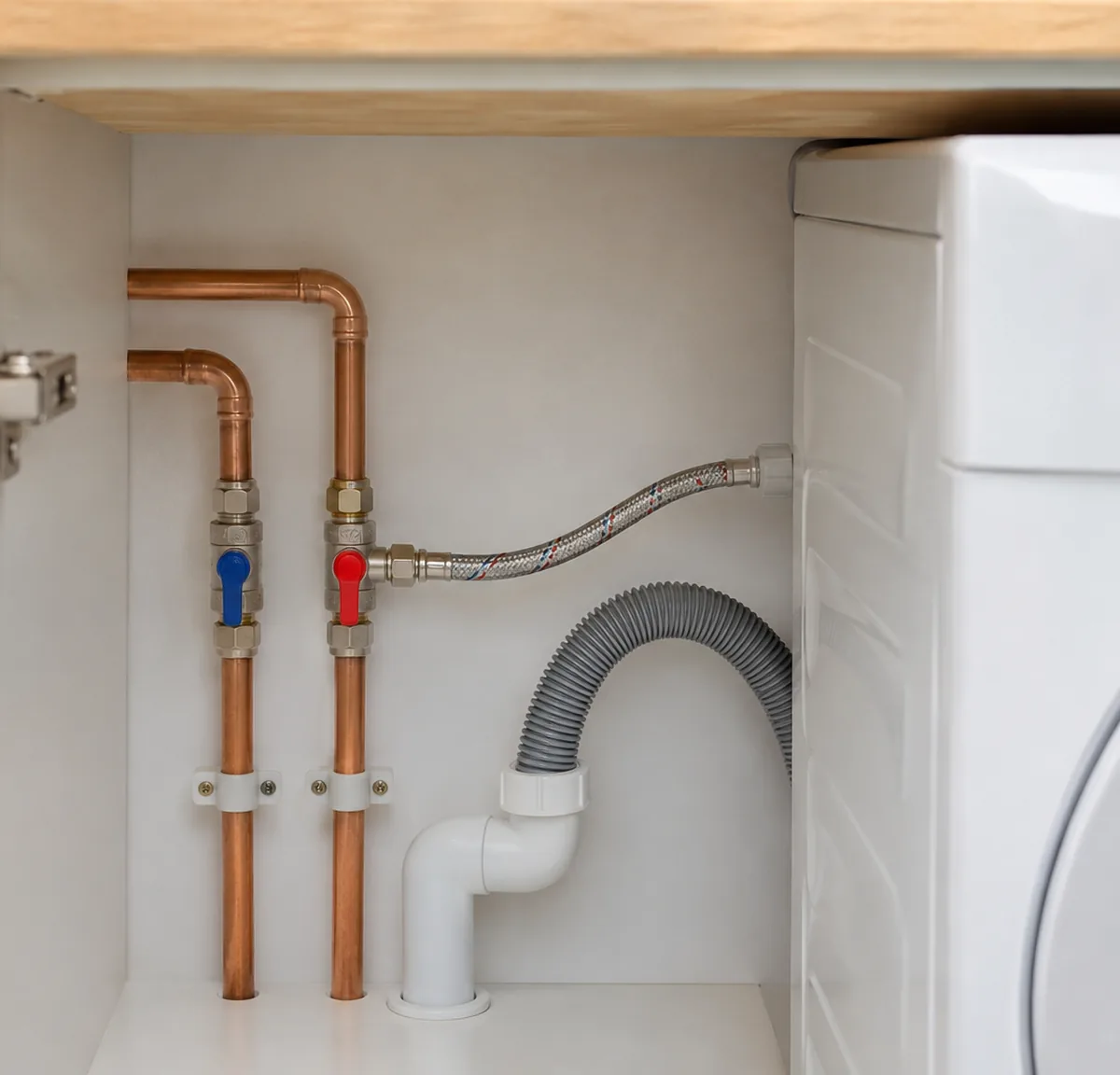
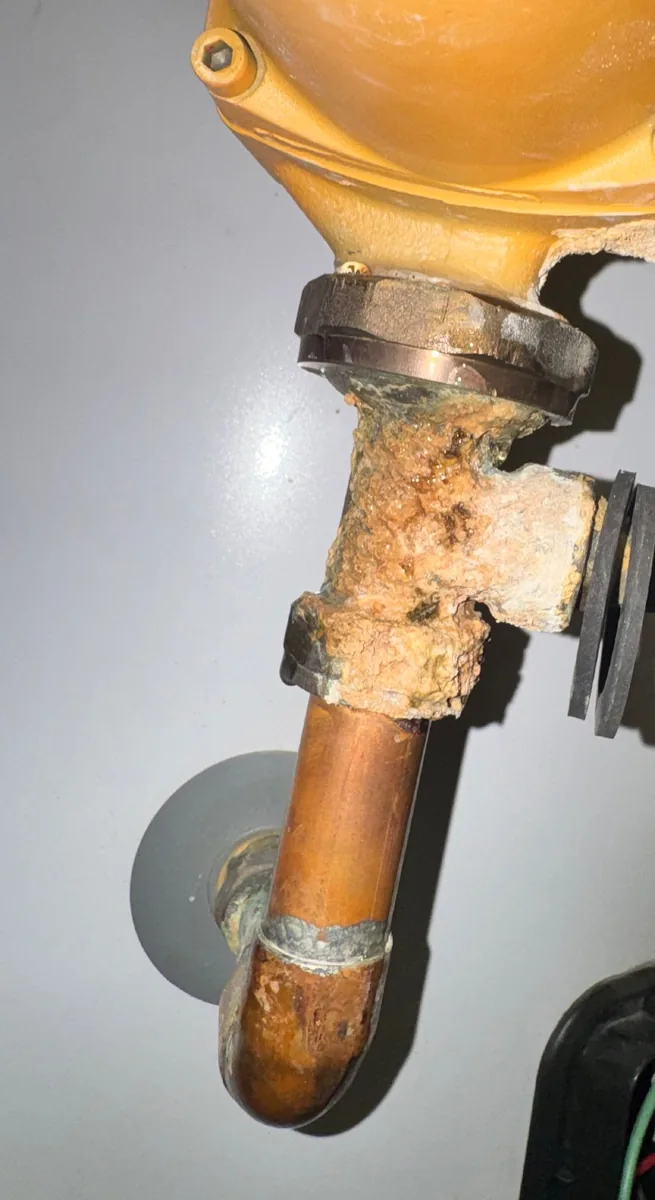
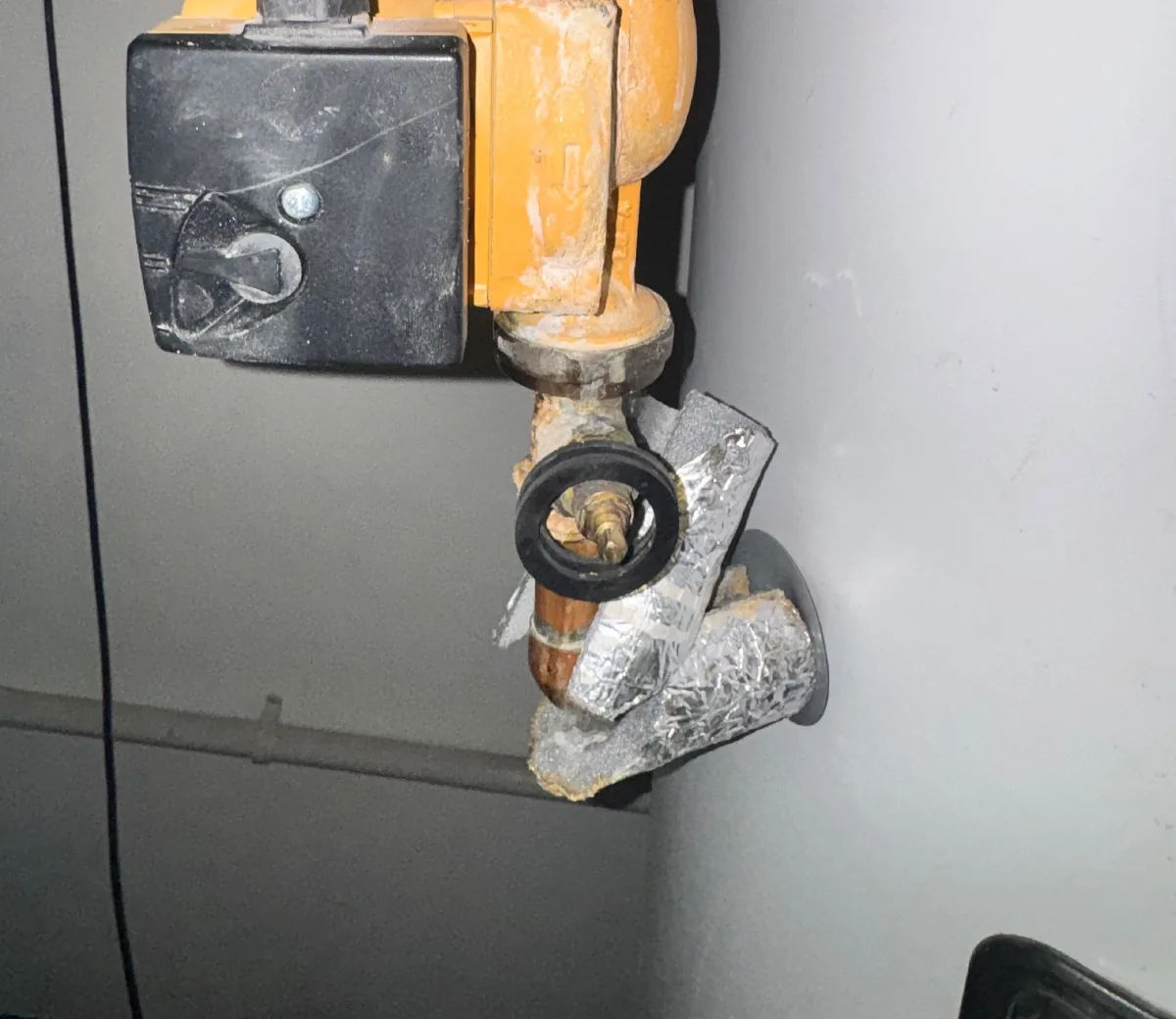
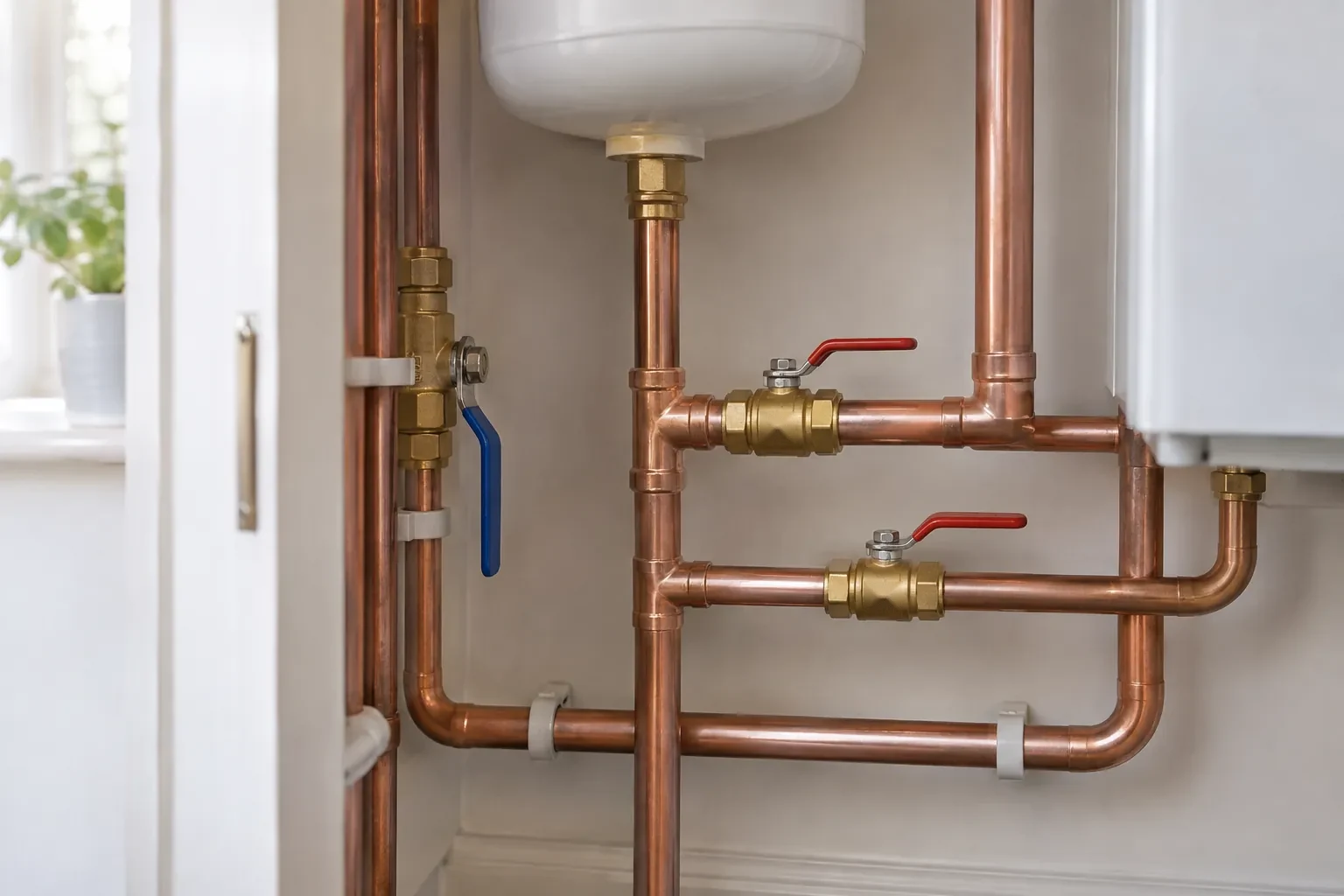
- Look at any small in-line valve on the pipe to the noisy fitting. A screwdriver slot lying across the pipe means closed; lying along it means open. Partway is a common source of noise.
Do not force a seized valve. If it weeps or will not move, leave it.
Match what you found
| Observation | Likely cause | Who can deal with it |
|---|---|---|
| One tap only, either full or barely open | Worn washer or cartridge, blocked aerator | Plumber |
| Whistle while a cistern refills, fading as it fills | Fill (float) valve restricting or worn | Plumber |
| Started after work on the pipework | A valve left partly closed, or debris in a fitting | Whoever did the work, or a plumber |
| Several outlets, worse at night | Higher supply pressure | Measure first, then a plumber |
| One valve is audibly the source | Damaged or part-closed valve | Plumber |
WaterSafe's noisy tap guide names high pressure, loose internal parts, worn washers or cartridges and blocked aerators among the causes. It also advises against trying to fix the problem yourself, including removing aerators, replacing washers, tightening parts or isolating the supply. Keep to listening and looking, and leave adjustments to a plumber.
Pressure: measure before buying a valve
Pressure on a public supply varies through the day and tends to rise when demand is low. A gauge on an outside tap or washing machine valve shows the static figure; the steps are in how to test water pressure and flow. If readings are high and several fittings whistle, a pressure reducing valve after the incoming stop valve may be appropriate. If pressure is ordinary, a reducing valve will not cure a worn fill valve.
Homes fed from a loft cistern are a different case: those outlets run at low gravity pressure, so look at the individual valve and for debris first.
Stop and get help
- The noise arrives with a drip, damp patch or staining. Turn off the supply and get urgent help.
- A valve has started leaking after you touched it.
- The whistle comes from a hot water cylinder, its safety valves or a boiler. That is not a pipework job to experiment with; bring in a Gas Safe registered engineer (gas boiler) or a G3 qualified engineer (unvented cylinder).
What a visit involves
A plumber would reproduce the noise, isolate branches one at a time to find which fitting stops it, check pressure at an outlet and inspect the suspect valve. The usual remedies are opening a valve fully, replacing a washer, cartridge or fill valve, swapping a poor valve for one with a larger bore, or controlling pressure. Related faults are grouped under plumbing noises, sorted by sound.
Send this with your enquiry
A ten-second recording, the taps or cisterns that trigger it, whether hot, cold or both, the type of property and any recent work. Use the contact form.
Questions
Why do my pipes whistle only when one tap is open?
The restriction is probably in that tap or on the branch feeding it, for example a scaled aerator, a worn cartridge or washer, or a service valve that is not fully open.
Can high water pressure make pipes whistle?
Yes. WaterSafe lists high pressure as a cause of whistling or screeching at outlets. Measure the pressure before deciding that a reducing valve is the answer.
Why do my pipes whistle only on hot water?
Look for a restriction on the hot side: a hot tap part, a part-closed valve on that pipe or scale in a fitting. Noise from a gas boiler is for a Gas Safe registered engineer, and noise from an unvented cylinder or its safety valves is for a G3 qualified engineer.
Why do pipes whistle after the stop tap was turned?
It may have been left partly open, or an old washer may be restricting the flow. If it moves freely, check it is fully open. Do not force it, and have a stiff or leaking valve repaired.