Noise and water flow
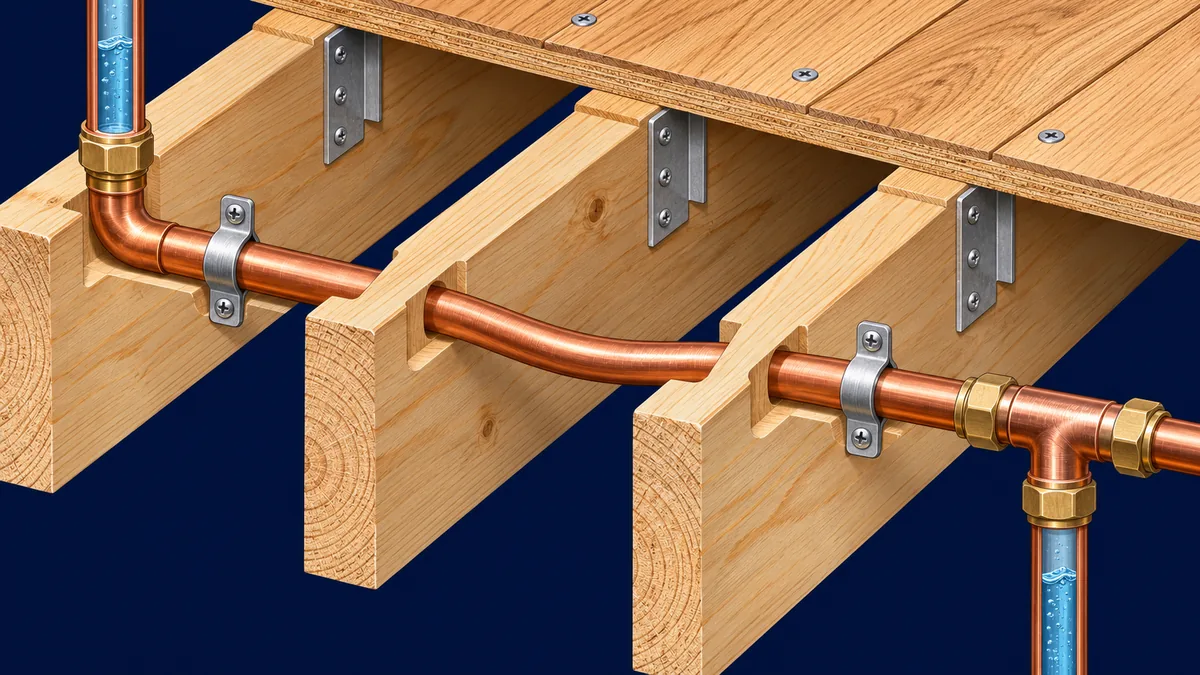
Plumbing noises are narrowed down by two facts: what the sound is and when it happens. Those matter more than where you hear it, because sound travels along pipework and through joists.
| What you hear | When | Page |
|---|---|---|
| A high whistle or squeal | Usually while water is moving | Whistling pipes |
| A low drone, buzz or shudder | While a tap, valve or pump is working | Humming or vibrating pipes |
| Ticking, creaking or running water | Every outlet shut | Noises with nothing running |
| Bubbling from a waste run | While something drains | Gurgling waste pipes |
| Loose clattering against wood or masonry | While water runs or a valve shuts | Rattling pipes |
| Creaks and clicks on the hot side | After a hot tap is opened | Noise with hot water |
| Knocking from the roof space | While a tank refills | Loft tank knocking |
| A pump starting again and again | With little or no water in use | Booster pump cycling |
| Any new sound | Since recent pipe work | Noise after plumbing work |
| Noise from another flat's use | Shared building | Shared pipe noise |
Before you describe it
Walk round with the noise happening, if you safely can, and write down:
- which tap, appliance or cistern was in use, or that nothing was
- whether it is the hot side, the cold side or both
- the time of day, and whether neighbours in a flat or shared building hear it too
- anything that changed recently, such as new pipework, a new valve or work in the street
A short phone recording from two or three places is often more useful than a description; see how to record a pipe noise. WaterSafe's guide to noisy taps and plumbing asks much the same questions.
If a noise comes with a wet patch, a dripping ceiling or water you cannot account for, stop investigating the sound. Turn off the supply and get urgent help.
If none of the rows above fits, send a description through the contact form.