A power flush from Proper Plumbing London starts from £650 labour for a heating circuit of up to 10 radiators, in Greater London. Larger systems are priced in writing, and the quote is free.
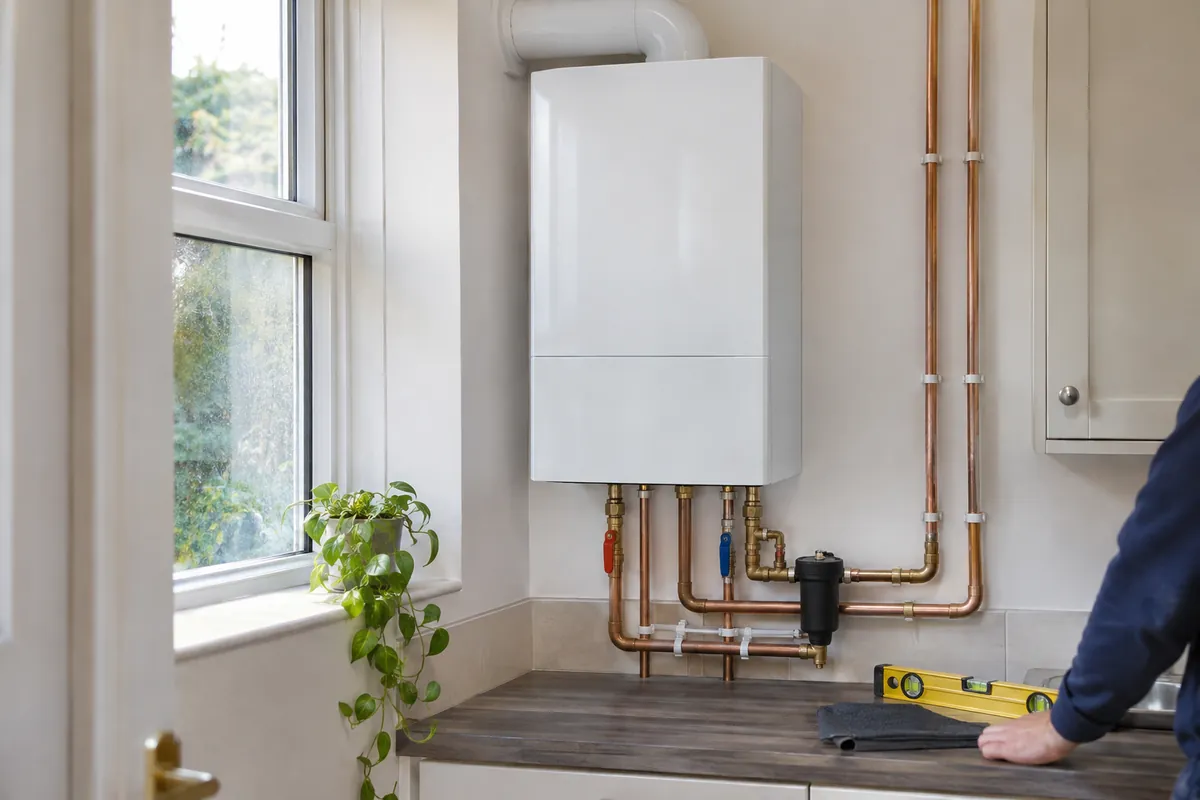
Power flushing connects a high-flow pump to the heating circuit and drives water, usually with a cleaning agent, through it to lift and carry out corrosion sludge. It treats dirty circulating water. It does not mend a failed pump, a stuck valve, an air problem or a fault inside a boiler.
Why sludge forms
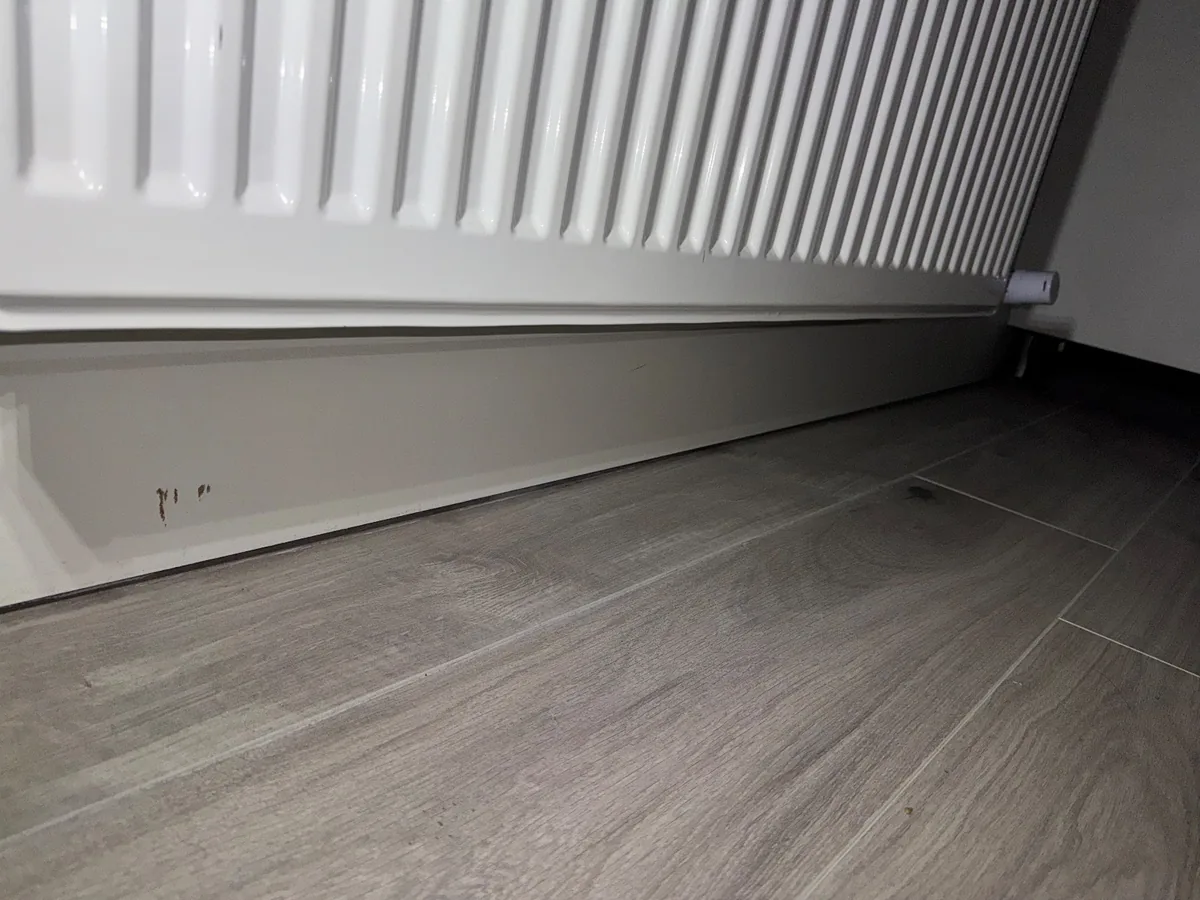
Steel radiators corrode slowly when oxygen reaches the system water. The dark iron oxide settles where flow is slowest, typically along the bottom of radiators and in low pipe runs. Fresh oxygen enters through repeated topping up, open vents drawing air, or leaks, so the source matters as much as the cleaning.
Checks before flushing
| Observation | What it may indicate |
|---|---|
| Radiator cold low down, warm at the top | Settled debris |
| Cold at the top only | Trapped air or gas |
| One radiator stone cold | Valve or balancing fault |
| All radiators slow, dark water on bleeding | Widespread contamination |
| Frequent need to top up | A leak to be fixed first |
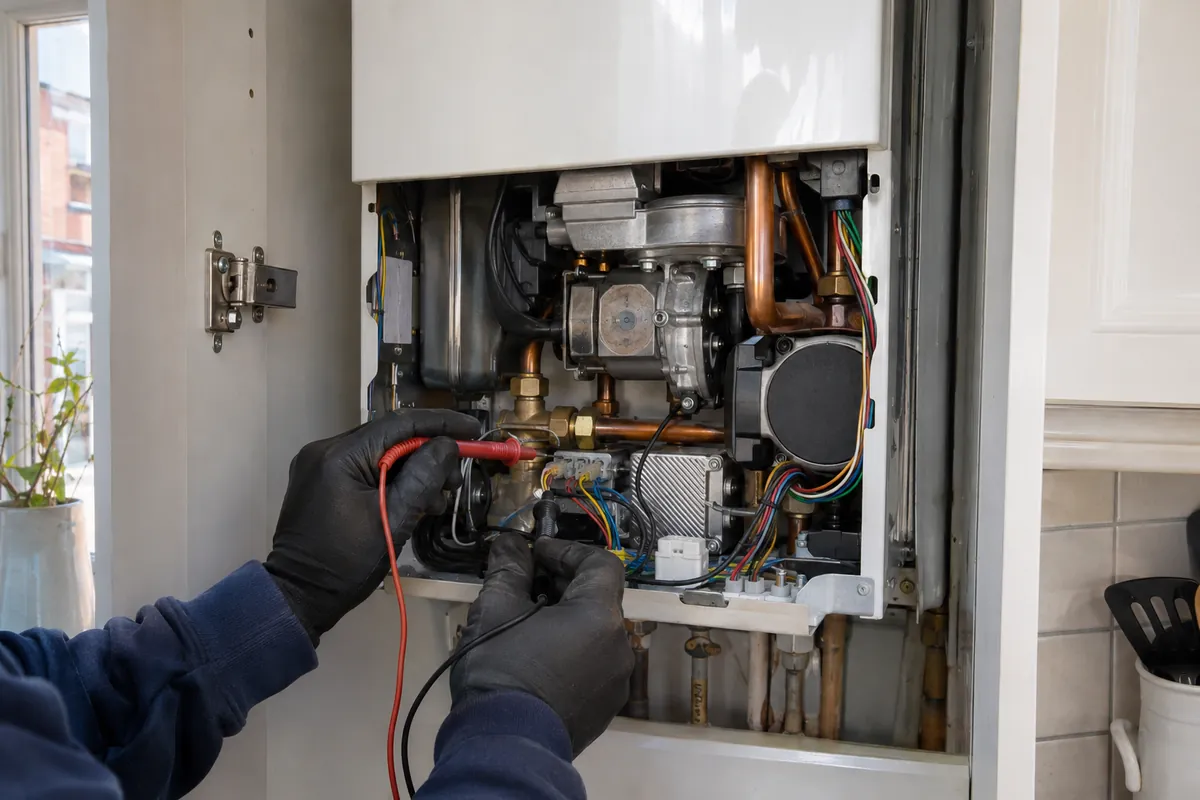
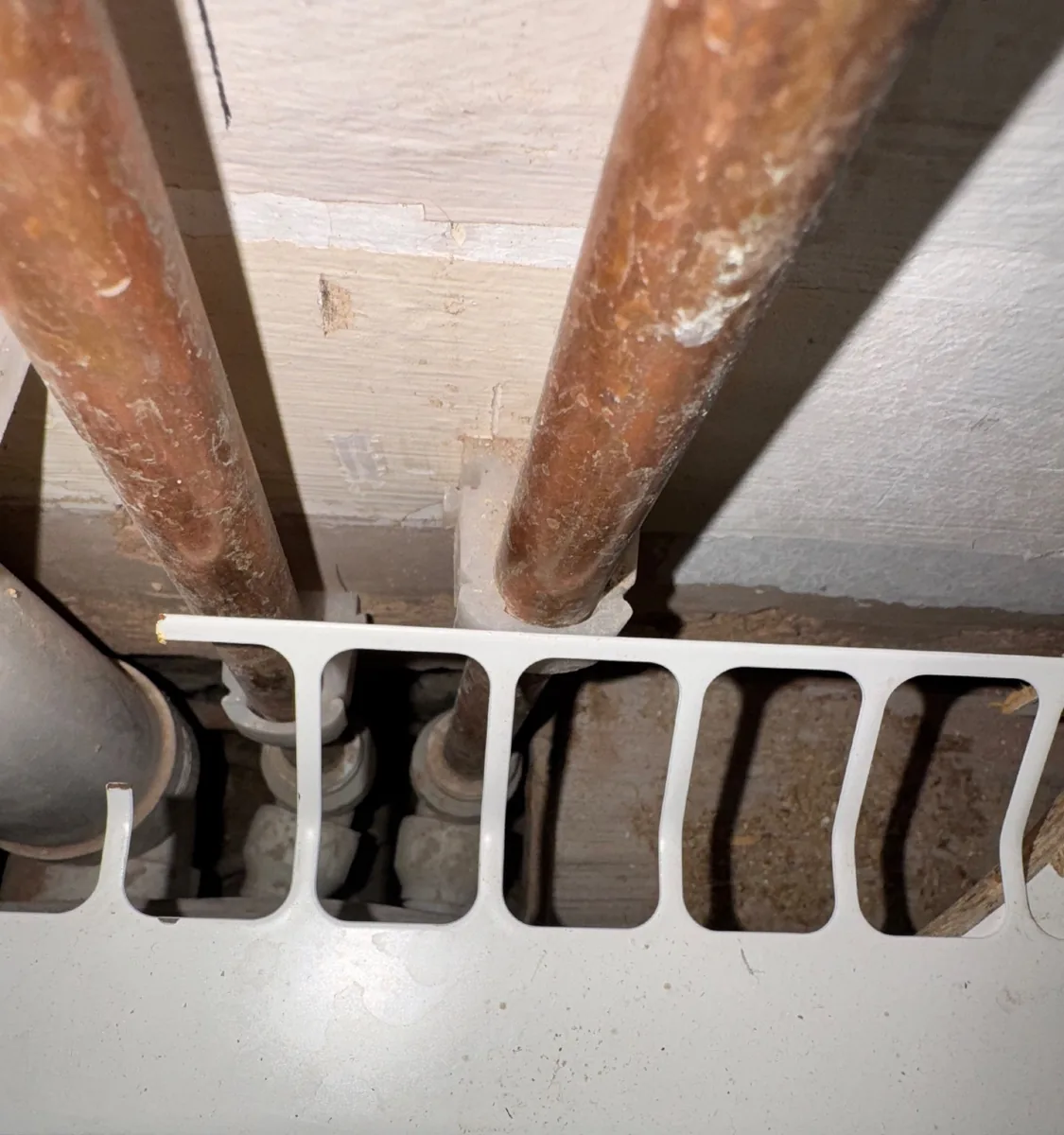
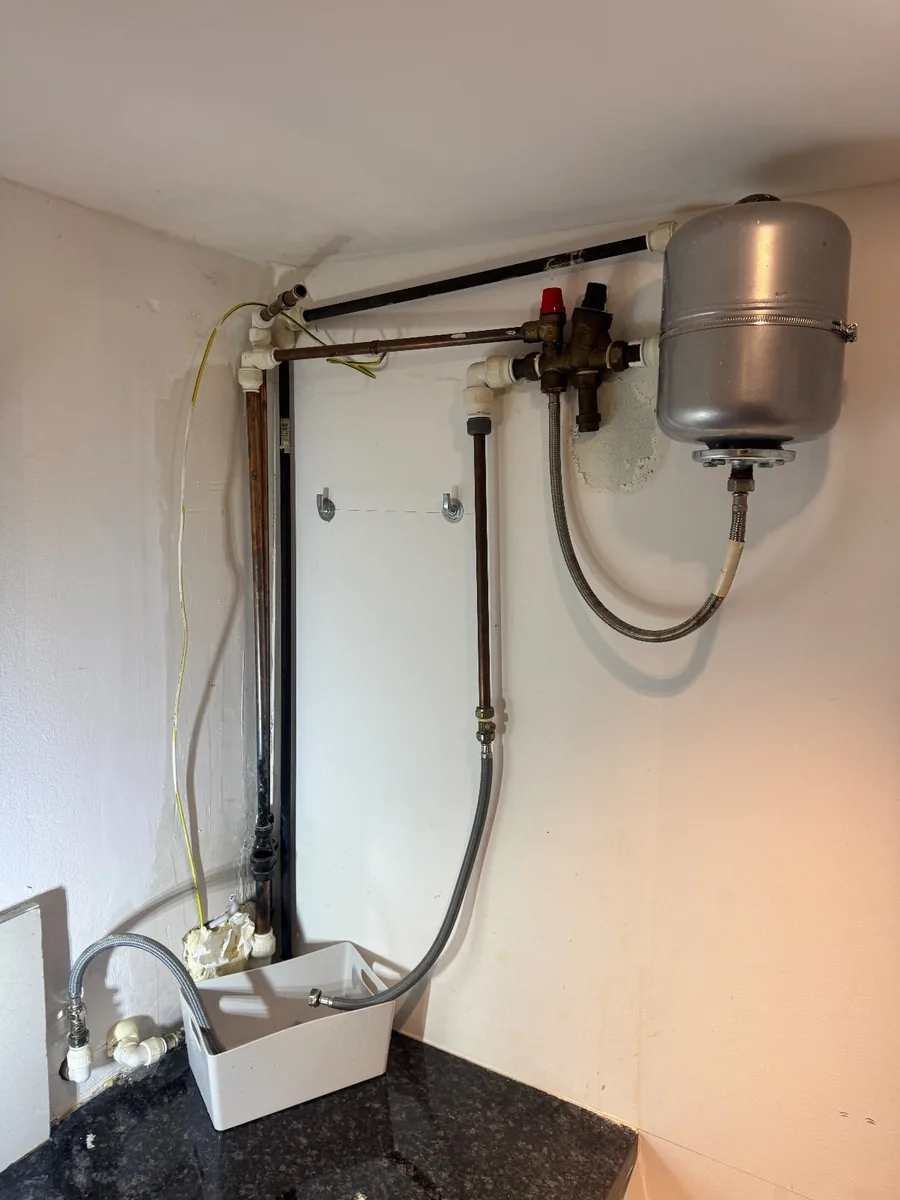
Surface temperatures are compared across each radiator, the water is sampled, and the system type is identified: sealed or fed from a loft tank. Old microbore pipe, thinned radiators and weeping valves are noted, since higher flow can expose a weak point.
What the work involves
- Protect floors and plan where waste water will safely go.
- Connect the pump at a radiator tail or pump position, following the equipment instructions.
- Isolate parts that should not see the flushing flow, as the manufacturers direct.
- Circulate through the whole system, then open one radiator at a time to concentrate flow, reversing direction to dislodge deposits.
- Dump contaminated water and rinse until it runs clear.
- Refill with a corrosion inhibitor dosed to the system volume, and consider an in-line filter.
Waste water carrying cleaning chemical belongs in the foul drain, not a gully that leads to a watercourse.
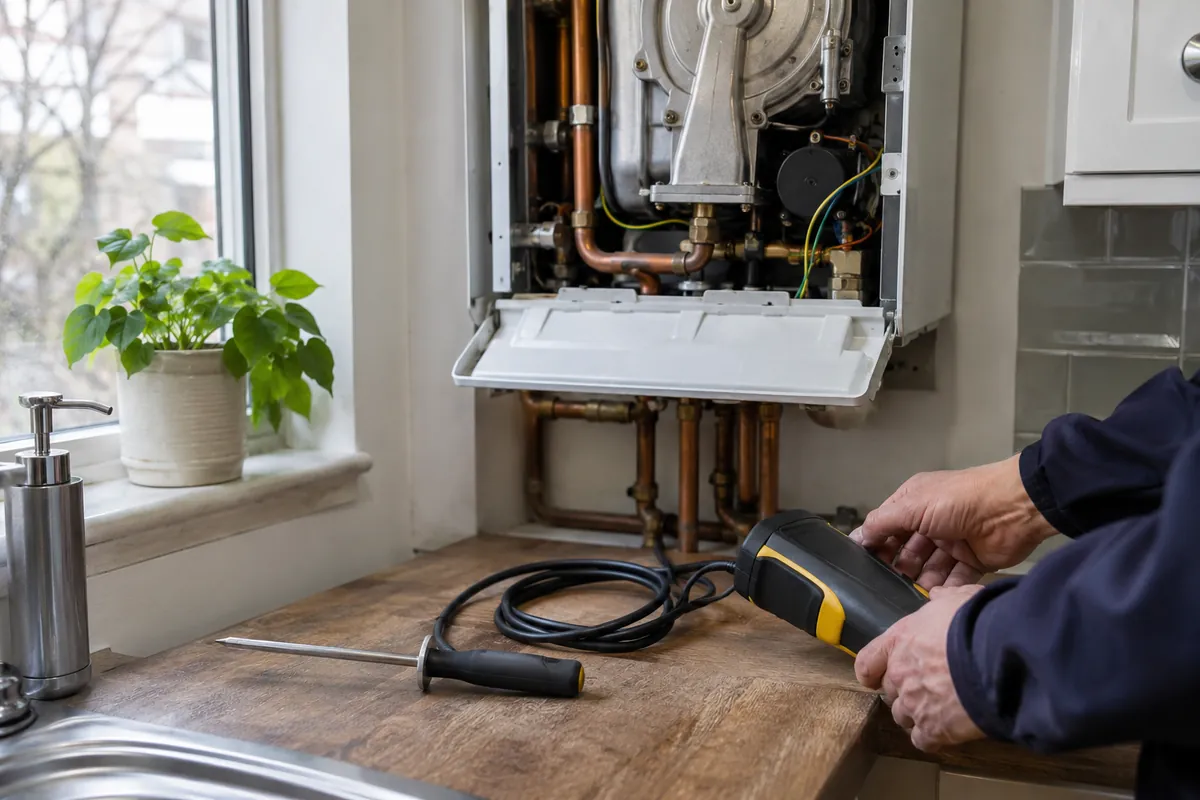
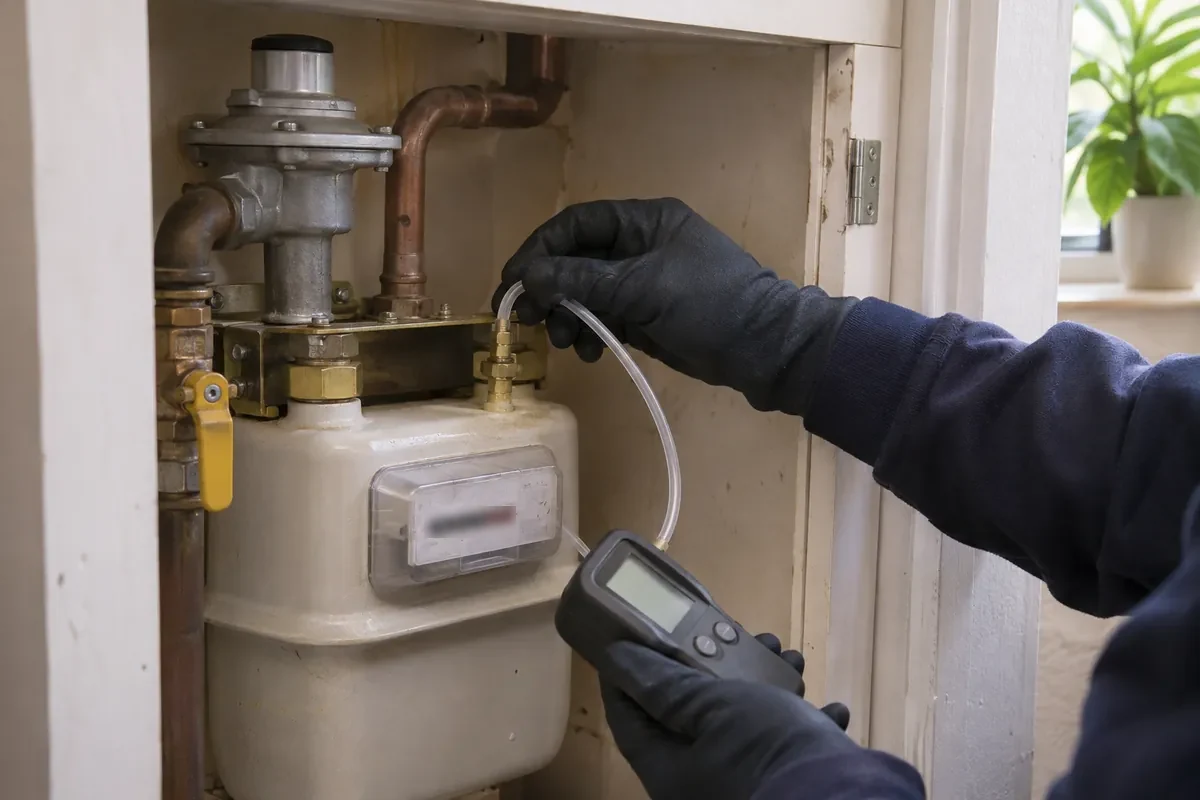
A flush stops short of the boiler, flue and gas connections. Those fall to Gas Safe registered engineers under boiler repair.
How the result is tested
- Water clarity at the final rinse compared with the first sample
- Even warmth across each radiator once heated
- Balancing of lockshield valves so distant radiators receive flow
- Joints, valve glands and bleed points checked dry, cold and then hot
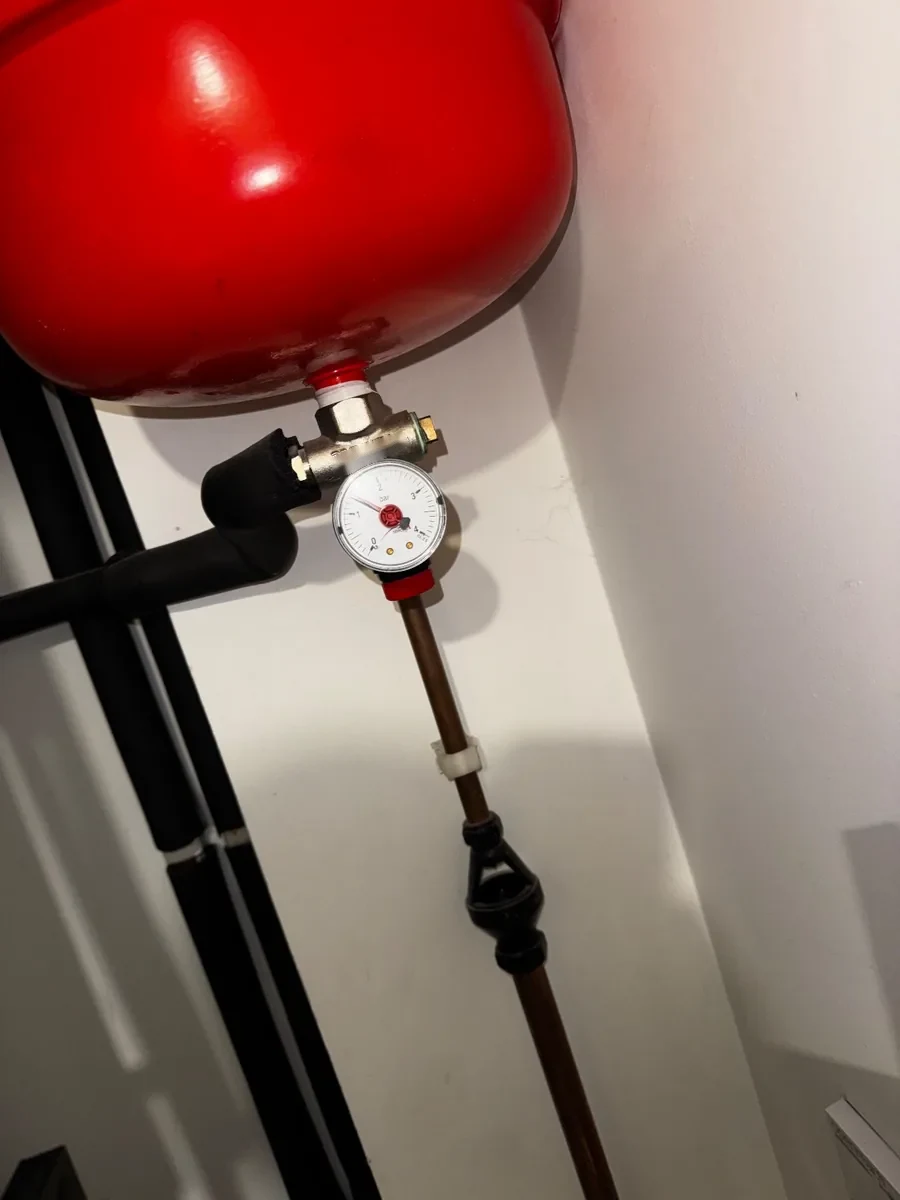
- System refilled, vented and left at the level or pressure the equipment calls for
When not to flush
A single blocked radiator may be dealt with by removing and rinsing it. A system with active leaks or badly corroded emitters needs those repaired or changed first. See radiators and valves.
Recording the starting condition
A short record before connection makes the outcome measurable: which radiators are cold and where, the colour of the first sample, any existing drips, and how valves are set. Lockshield positions are noted by counting turns. Seized or damaged valves are discussed beforehand, since they may prevent a radiator receiving flow and might need replacing. The same points are checked again once the system has run hot.
Billing for a power flush
| Circuit size | Labour |
|---|---|
| Up to 10 radiators | from £650 |
Larger circuits need their own written figure. 24/7 emergency visits: £110 an hour plus a £60 call-out on weekdays in the daytime, from £140 an hour plus £60 in the evening or at weekends. Booked jobs carry no call-out fee. Materials are extra and agreed first. VAT is not added. Quotation free. Rates verified 28 November 2026: billing detail.
Details to send
Count the radiators, say which are cold and where, describe the boiler type without opening it, and mention recent topping up. Send these through the contact form.
Related reading
Water quality questions nearby are black bits in tap water, brown water after supply work, a metallic taste after new pipework, hard water, inline scale inhibitors and solder for drinking water.
At a glance
- Service
- Power flushing
- Area
- All of Greater London (service-area business, no showroom)
- Quote
- Free. Get the price in writing before work starts
- Phone
- 020 3961 8088
Questions
Will flushing fix a radiator that is cold at the top?
Usually not. A cold top points to air or gas collecting, which is bled off, and repeated build-up should be investigated.
What are the signs of sludge in a heating system?
Radiators cold low down but warm at the top, several slow radiators and dark water when bleeding are typical signs.
Should leaks be repaired before flushing?
Yes. Active leaks and badly corroded radiators are repaired or changed first, because higher flow can expose weak points.