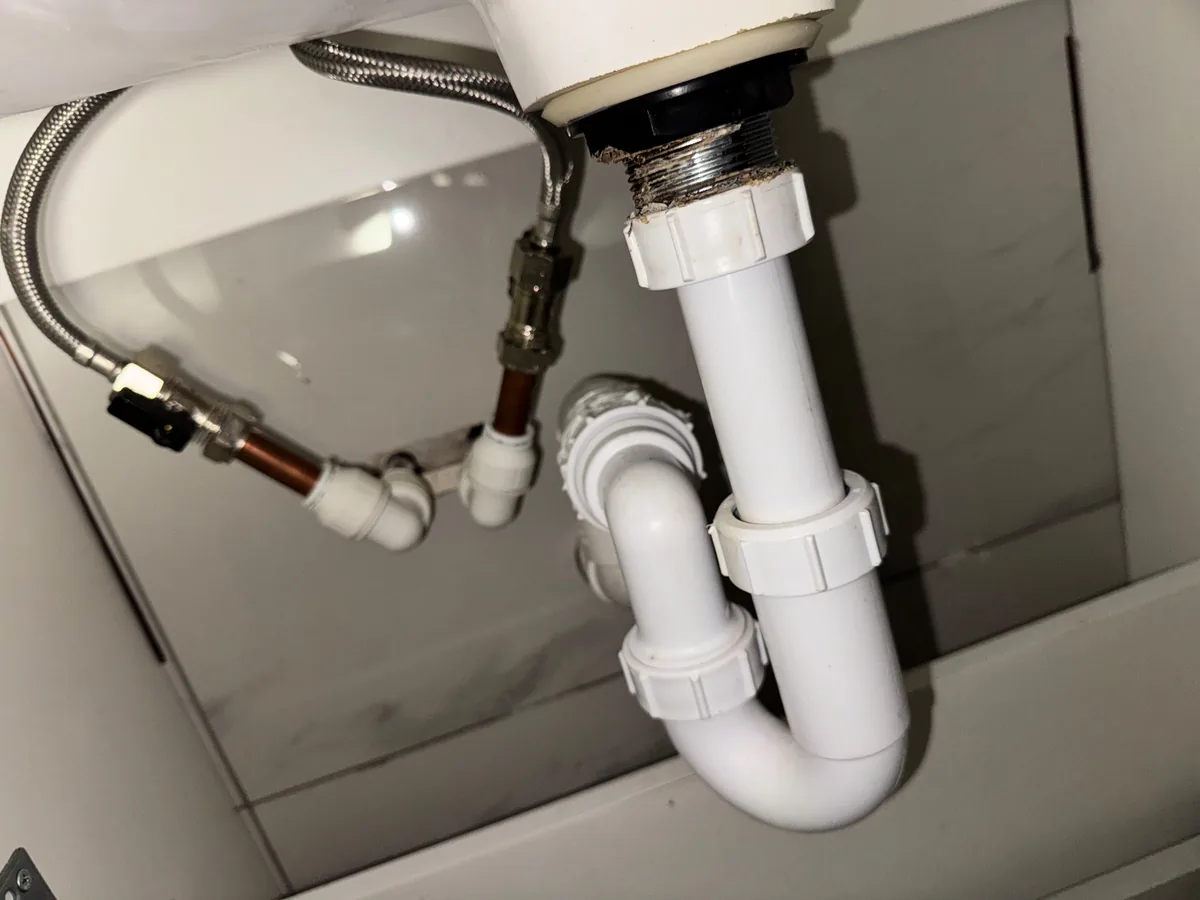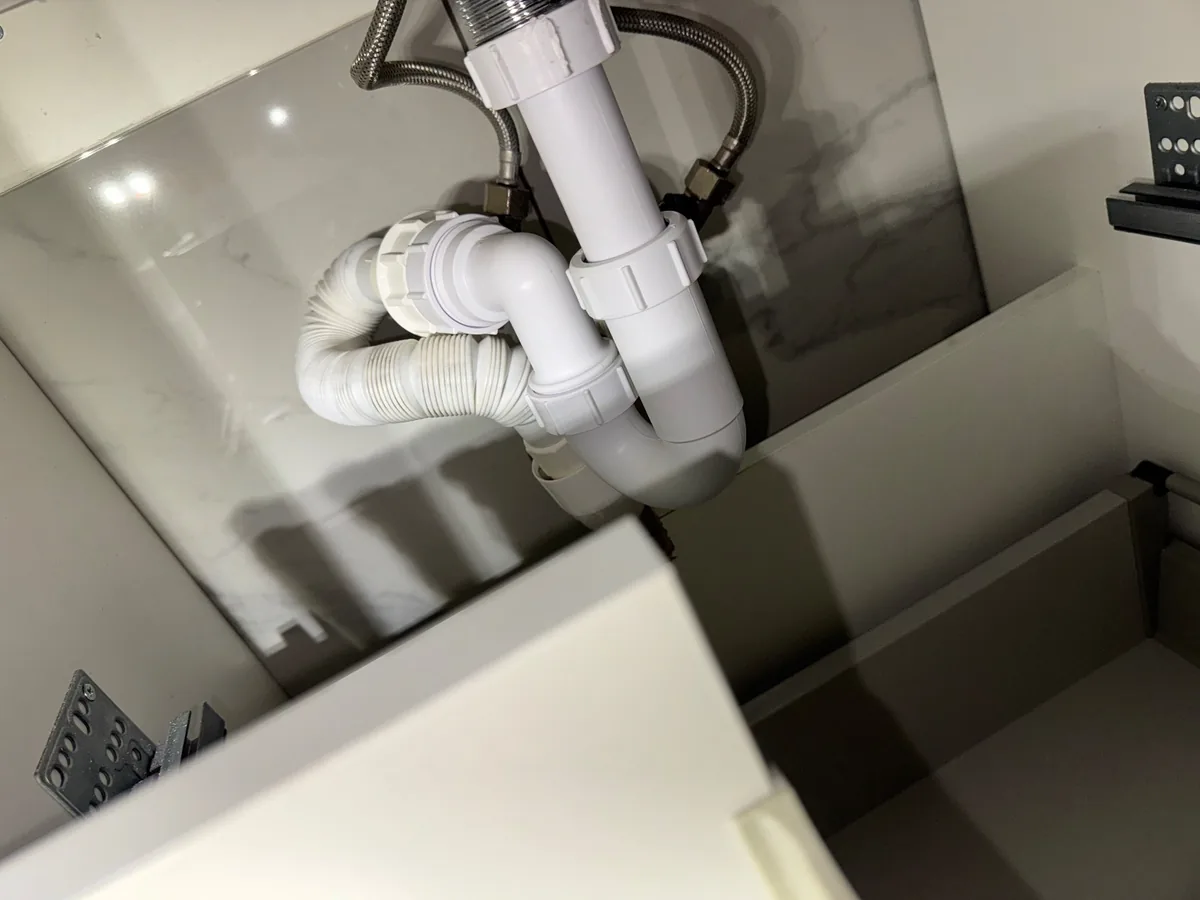
Old or unsuitable water pipes can be renewed, rerouted or capped off by Proper Plumbing London anywhere in Greater London. Expect a free quote; weekday plumbing time is £110 an hour, one hour minimum.
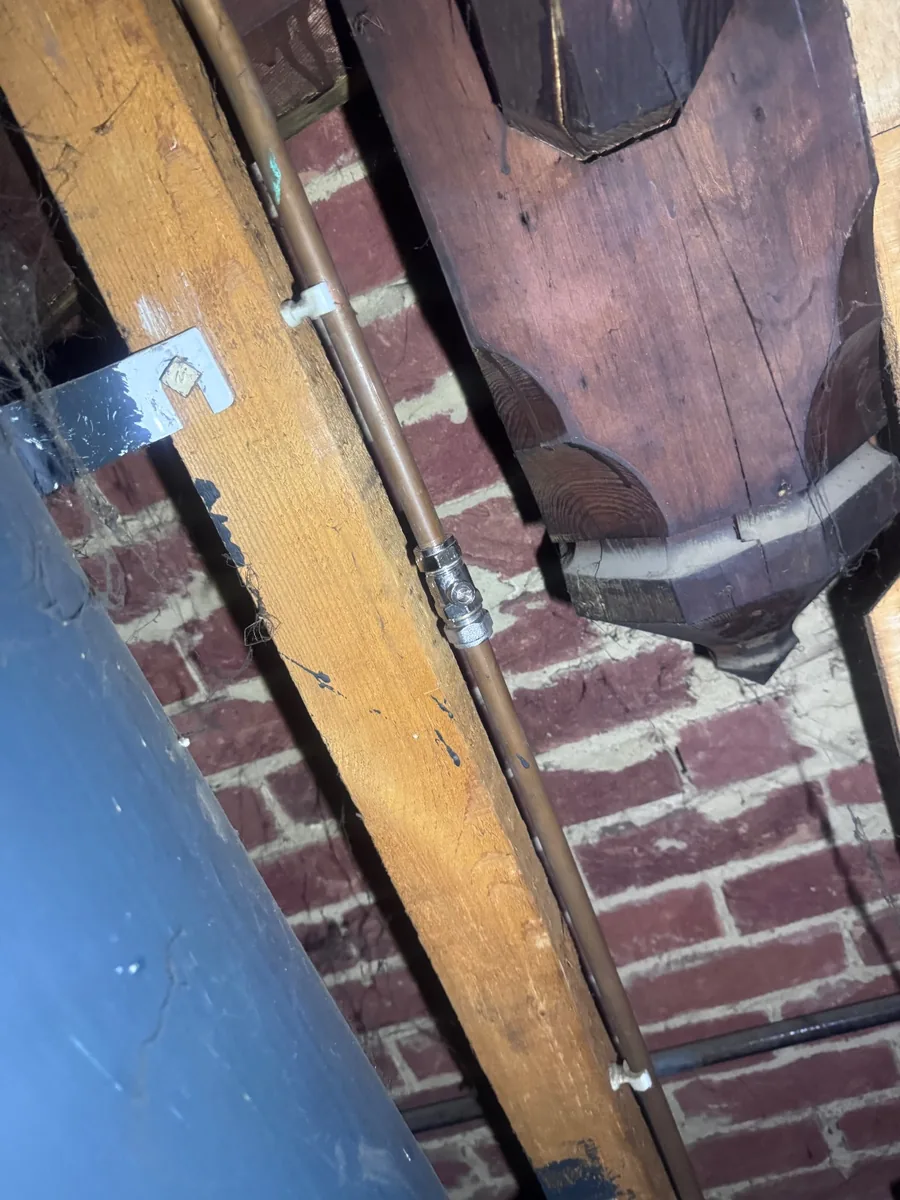
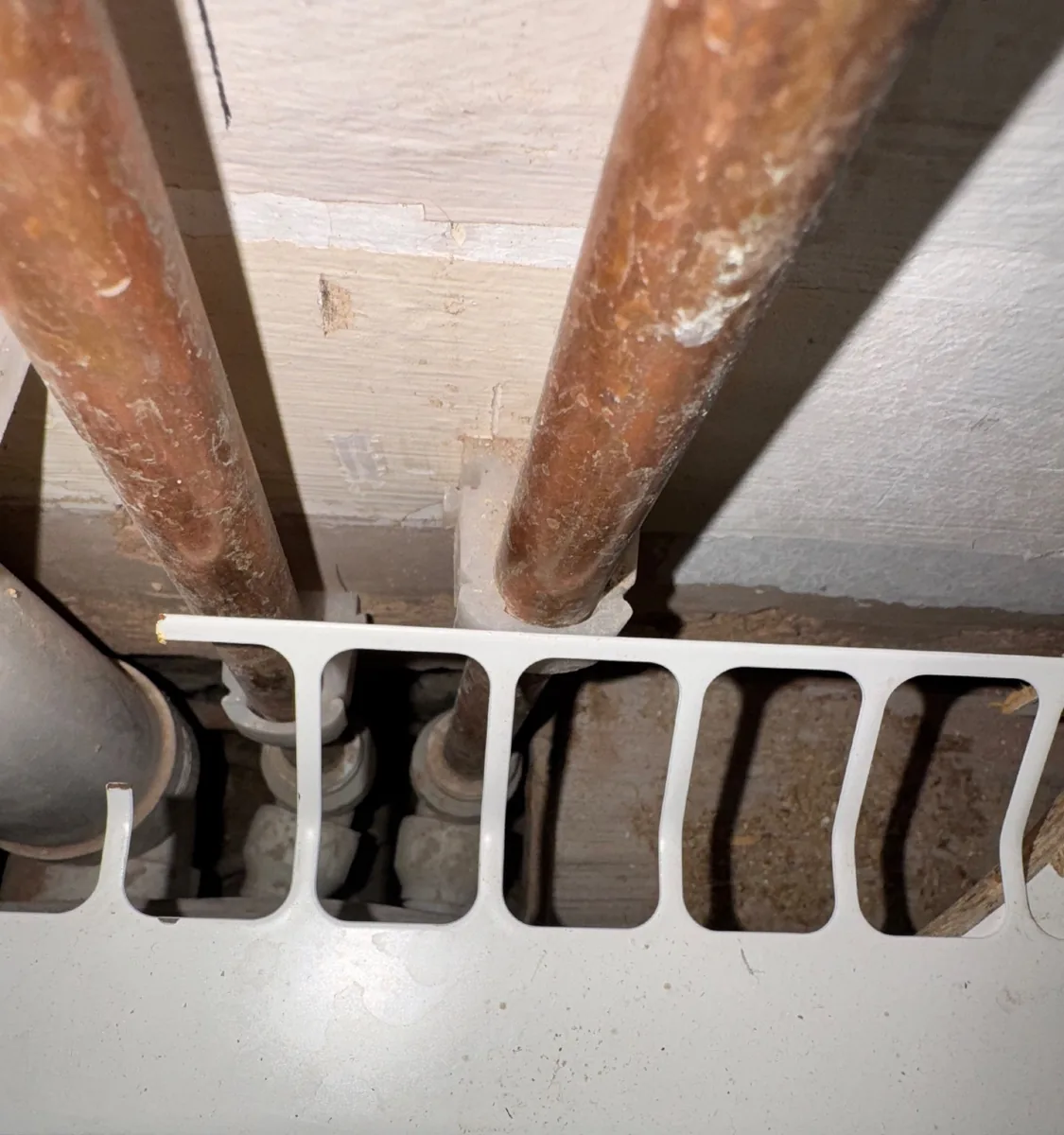
Renewal is for runs that are corroded, undersized, badly routed or unsuitable, with the new pipe joined to what remains. It can be one branch behind a wall or a staged renewal. Whole-property planning is covered separately under replumbing a house.
Reasons to replace a run
- Recurring leaks on the same material
- Lead or heavily corroded steel
- Poor flow from narrow or scaled pipe
- Unused branches holding stagnant water
- Routes obstructing building work
Survey
Exposed pipe is traced from source to outlet and labelled: mains cold, stored cold, hot and heating. Size is measured, not guessed from appearance, because imperial and metric tubes sit close together. Routes through joists, walls and floors are checked, and any asbestos suspicion in an older building is resolved by a specialist before disturbance.
Material choice
| Material | Strength | Watch for |
|---|---|---|
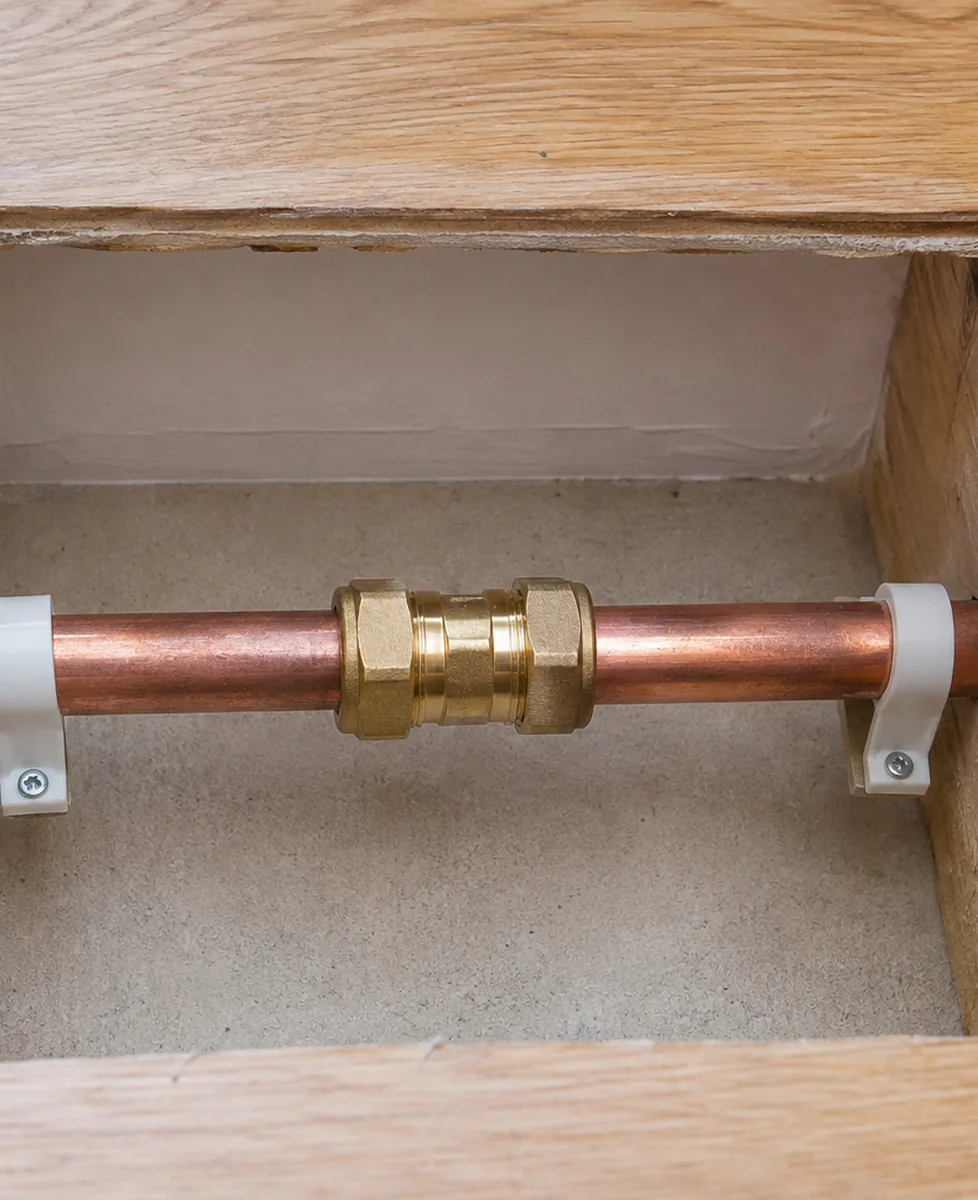
| Copper | Rigid, neat when visible | Hot works, corrosive contact |
| PE-X or polybutylene | Flexible, fewer joints | Support, rodents, ultraviolet exposure |
| Multilayer | Holds its shape | Fittings specific to the system |
| MDPE | Underground cold supply | Not for hot water |
Fittings and pipe should be suitable for drinking water where they carry it. Schedule 2 of the Water Fittings Regulations sets requirements on materials, positioning, frost protection, access and testing.
Carrying out the work
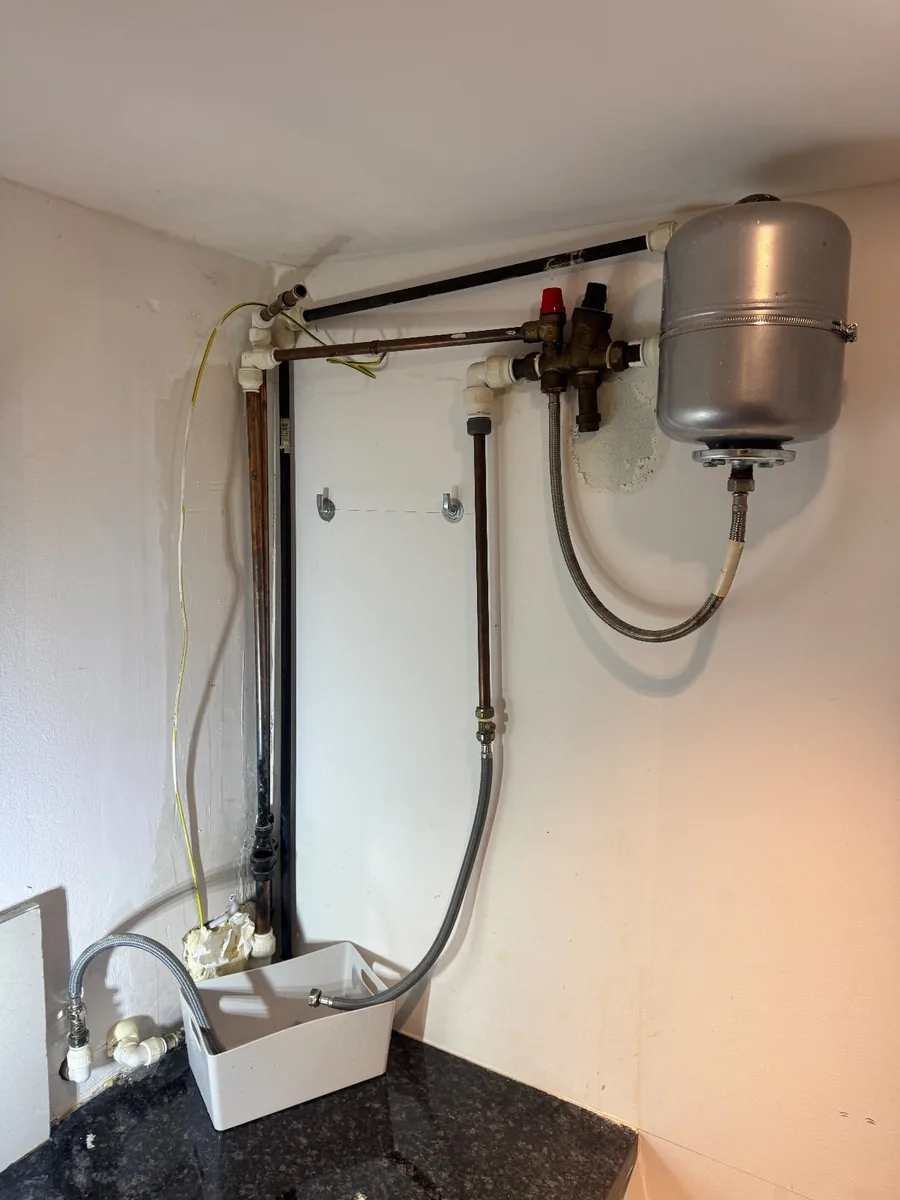
New pipe is installed alongside the old where possible to shorten the time without water. Supports suit the size and direction, expansion is allowed for on hot runs, and notches stay within structural limits. Transitions use fittings rated for both sides. Replaced metal sections can affect electrical bonding, which an electrician should verify. Redundant pipe is removed back to the live connection instead of being left capped at the far end.
Testing
- Inspect joints and insertion depths before filling.
- Pressure test with a method suited to the material; plastic systems have their own test sequence because the pipe relaxes under load.
- Flush debris and flux from the new lengths.
- Check hot and cold appear at the correct outlets.
- Measure flow at the furthest points.
- Insulate, record routes with photographs, and only then close up.
Drinking water pipework may also need disinfection, depending on the extent of work; see flushing and disinfecting.
Staging the work in an occupied home
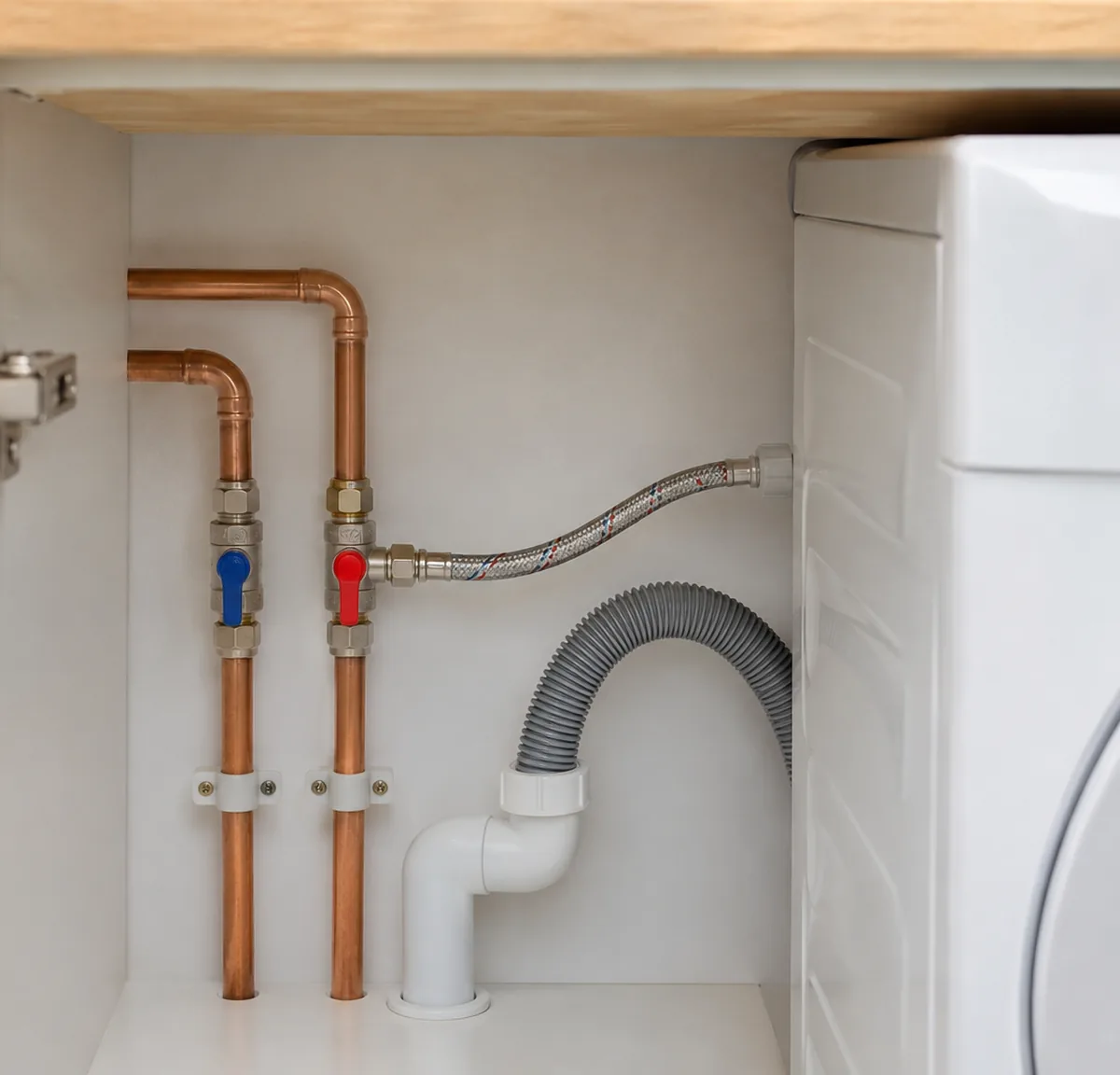
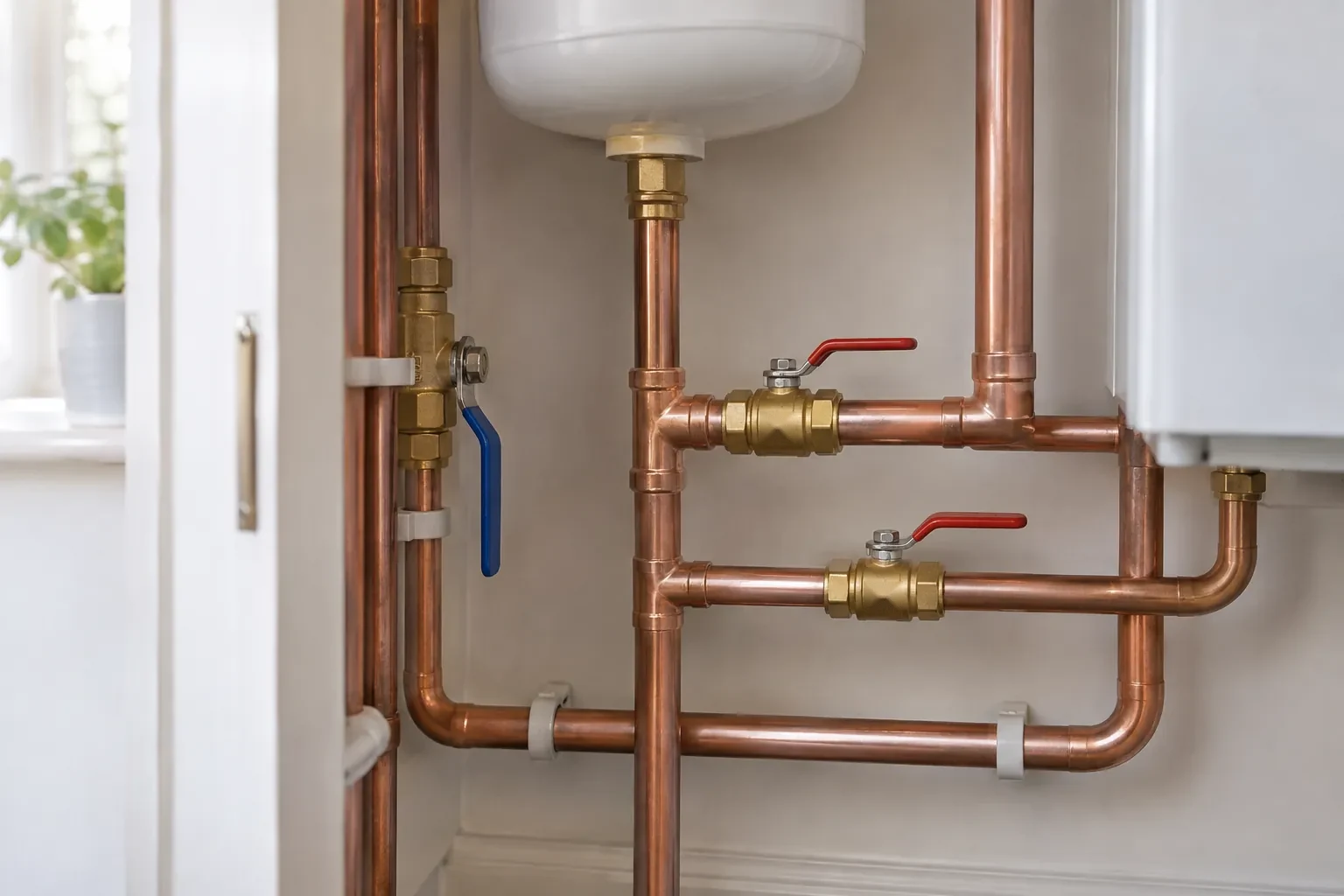
Divide the job into zones that can each be tested and returned to use. Fit temporary or permanent isolation valves at the boundaries so one finished area stays live while another is open. Agree the order for lifting floors, where capped ends will sit overnight and who will make good. Label valves as they go in, and update a simple drawing so the final layout is understood.
Billing for this work
| Time | Rate |
|---|---|
| Weekday, 1 hour minimum | £110 per hour |
| Evening or weekend | from £140 per hour |
24/7 emergency visits: £110 an hour plus a £60 call-out on weekdays in the daytime, from £140 an hour plus £60 in the evening or at weekends. Booked jobs carry no call-out fee. Materials are extra and agreed first. VAT is not added. Quotation free. Rates verified 28 November 2026: billing detail.
What to send
Note the problem and which areas can be opened on the contact form. Photographs of pipe at several points go by email.
Related reading
Before choosing a pipe material, compare the pipe types found in UK houses, copper pipe sizes, plastic pipe sizes, PEX and polybutylene, barrier and non-barrier pipe, multilayer composite pipe and stainless steel pipe.
Routing is discussed under pipe sizing, manifold layouts, small-bore supply pipe and surface-mounted runs.
At a glance
- Service
- Pipework and repiping
- Area
- All of Greater London (service-area business, no showroom)
- Quote
- Free. Get the price in writing before work starts
- Phone
- 020 3961 8088
Questions
Does all the old pipe have to come out at once?
Not necessarily. A single failing run can be renewed and joined to sound pipe with fittings rated for both materials, and larger work can be divided into zones that are tested one at a time.
When is a pipe run worth replacing?
Typical reasons are repeated leaks on the same material, lead or heavily corroded steel, poor flow from narrow or scaled pipe, unused branches holding stagnant water and routes in the way of building work.
How is new pipework tested before it is covered?
Joints are inspected, the run is pressure tested by a method suited to the material and then flushed, and flow is measured at the furthest points.