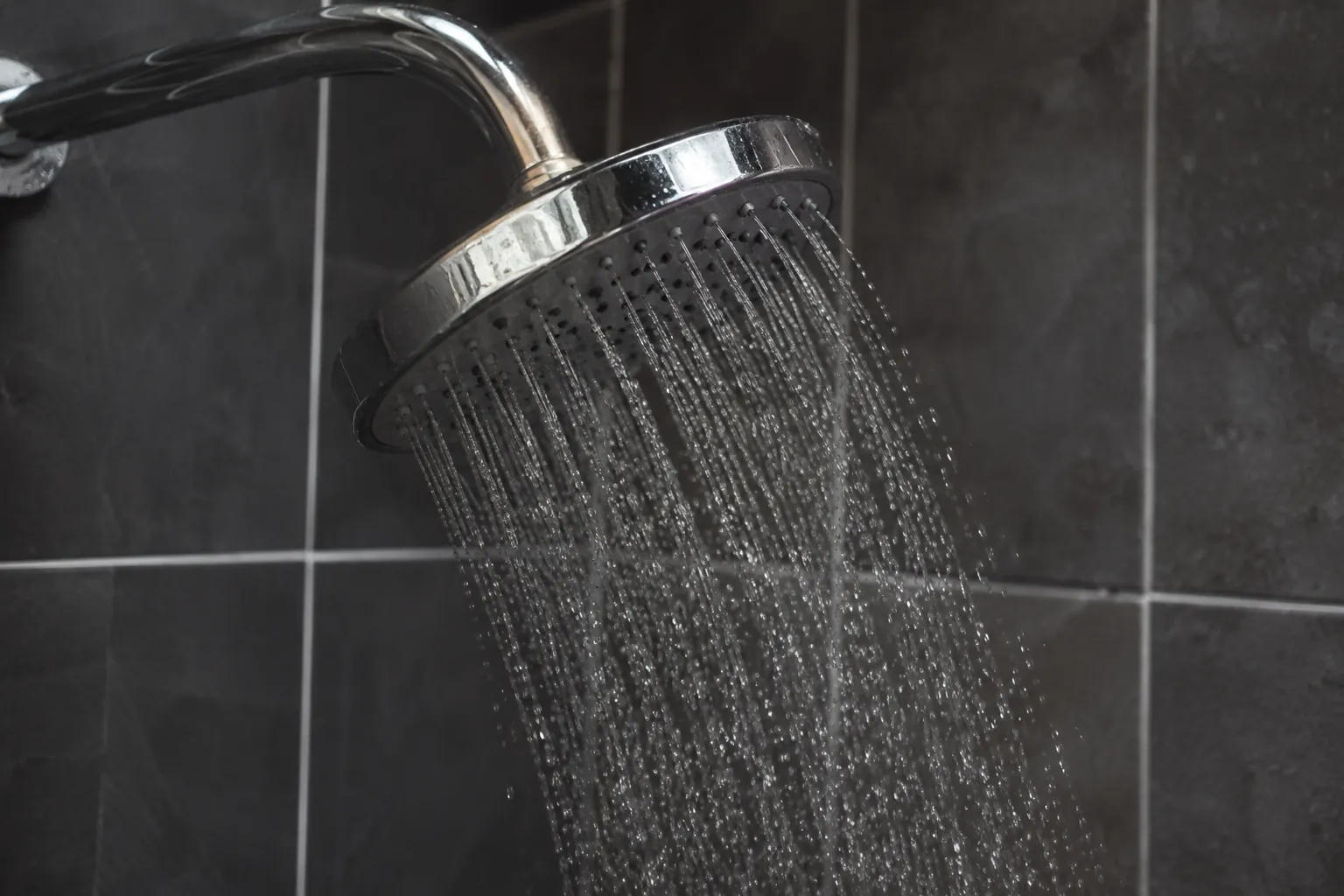
Shower valves, bath fillers, trays and wastes can be repaired or replaced by Proper Plumbing London in Greater London. Weekday time costs £110 an hour, at least one hour, after a free quote.
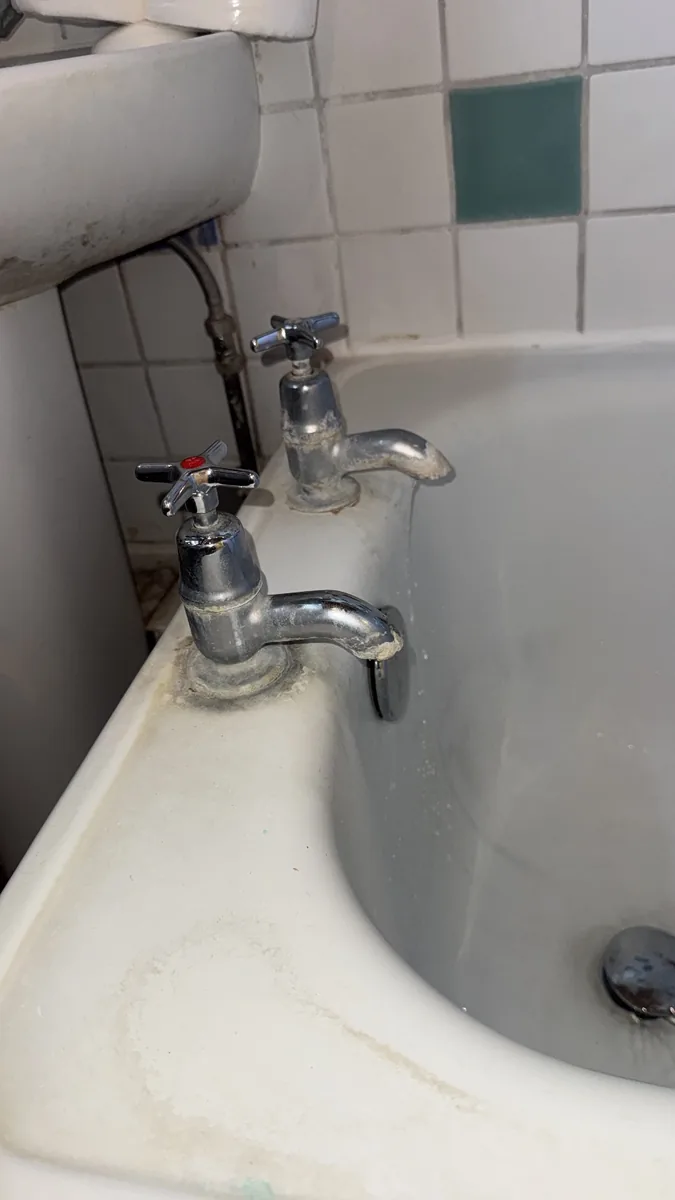
Work at a bath or shower cubicle covers the water arriving (valve, filler, hose) and the water leaving (waste, trap, seals). The two fail differently, so testing them separately avoids replacing a good valve when the leak is in the tray.
Identify the shower
| Type | Water source | Notes |
|---|---|---|
| Mixer or thermostatic | Existing hot and cold | Needs suitable, compatible pressures |
| Pumped | Usually stored water | Pump must be allowed for that supply arrangement |
| Digital | Remote mixing unit | Needs accessible unit and power |
| Electric | Cold supply heated at the unit | Electrical work is for an electrician |
Fixed wiring in bathrooms falls under Approved Document P in England, so electric showers and pumps involve a competent electrician.
Common faults
- Temperature swings: cartridge, scale, filters or unequal supplies
- Weak spray: blocked head, closed valve, failing pump or low head
- Drip when off: cartridge or flow valve
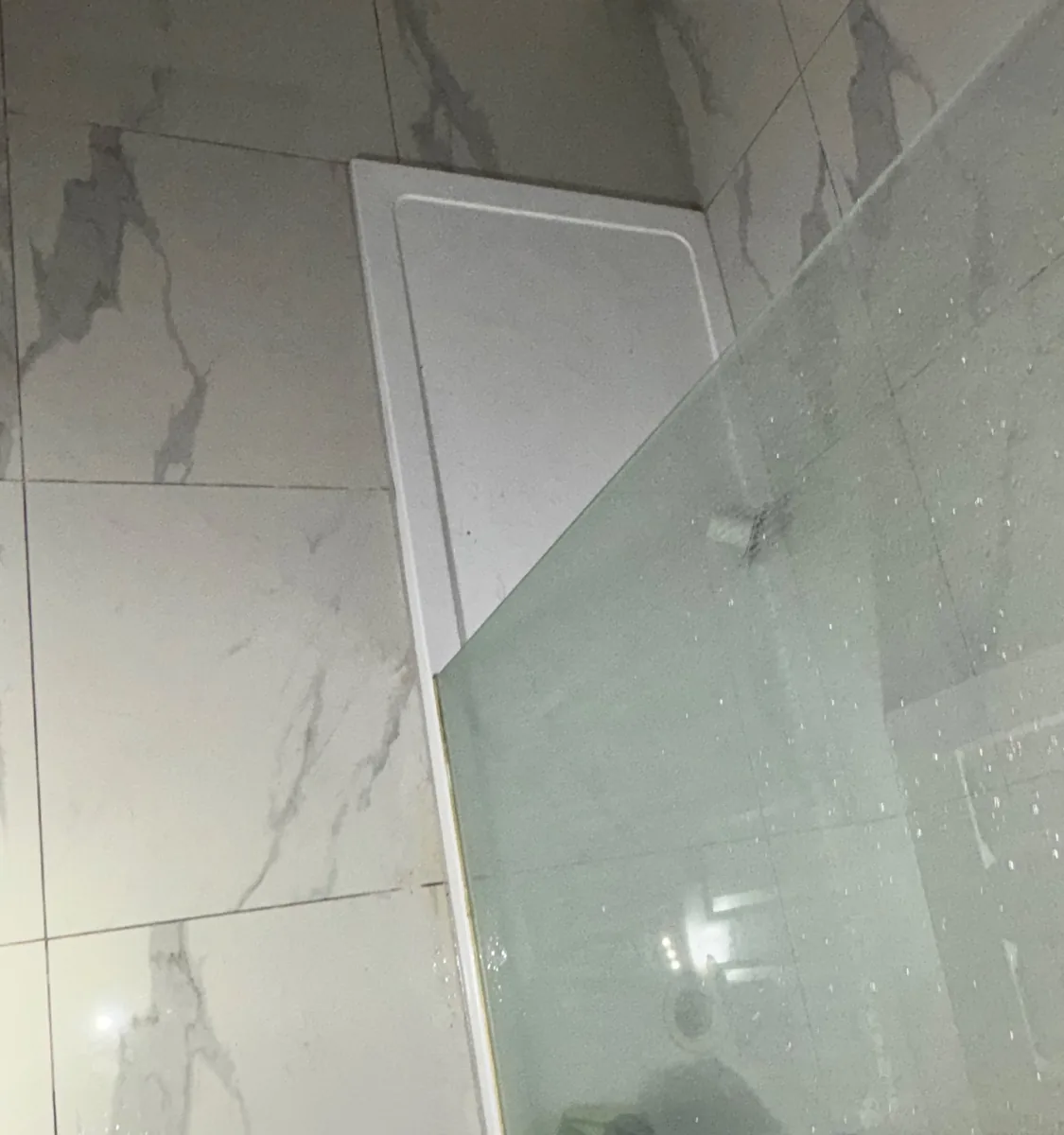
- Mouldy sealant or damp ceiling: failed seals, grout, waste joint
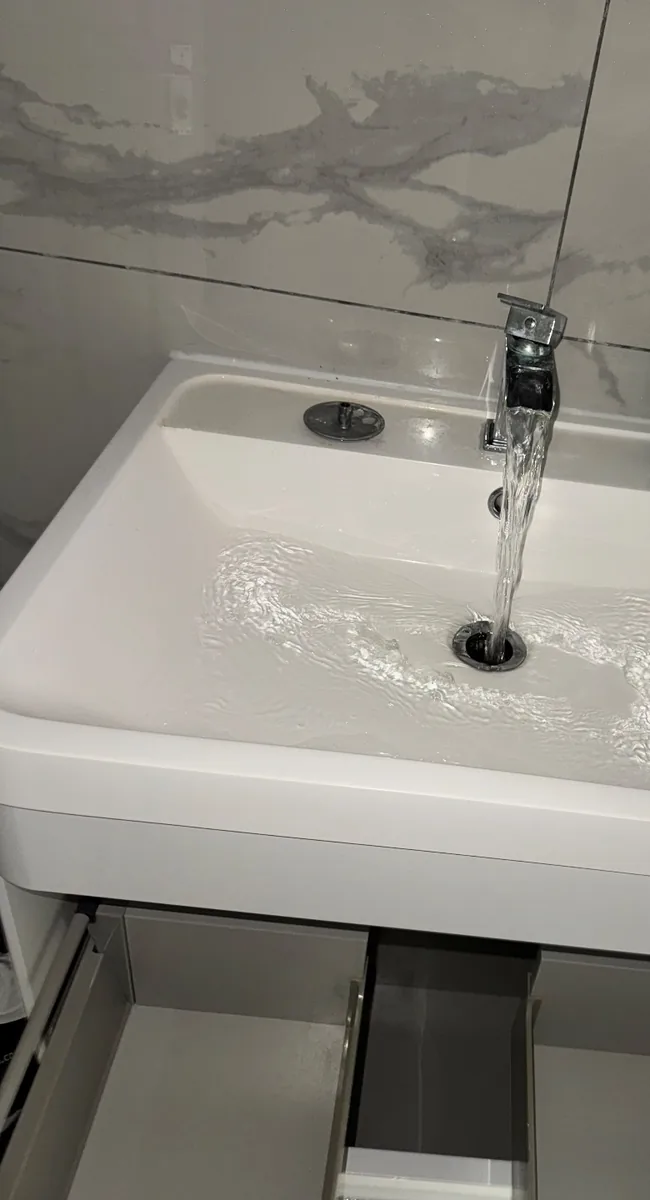
- Slow draining: hair in the trap or poor fall
Valve and filler work
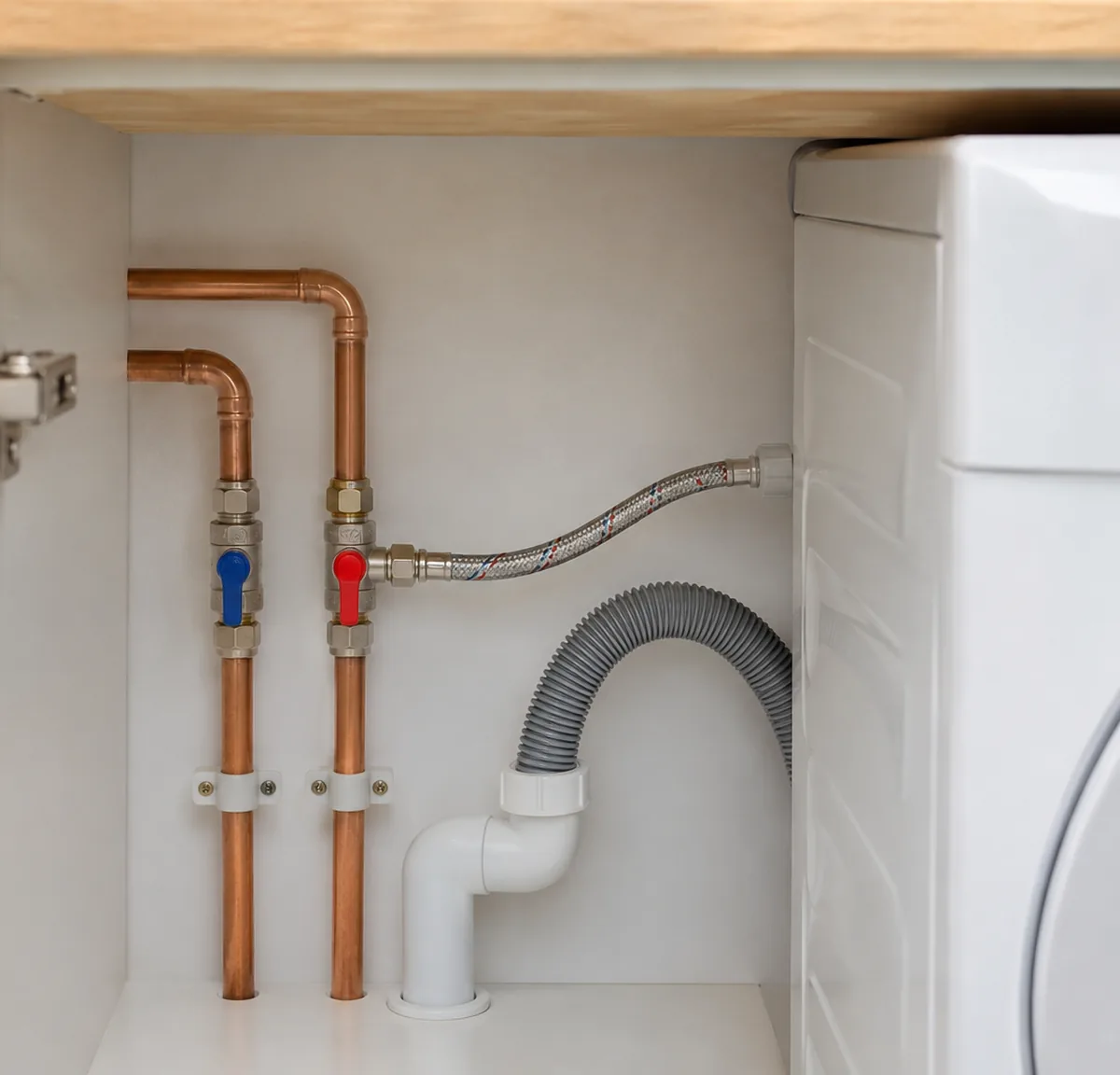
Supplies are isolated and proved off. A concealed valve is often serviced from the front once trims are removed; changing the body may mean opening tile or the wall behind. New valves are matched to pipe centres, depth and water pressure. Temperature limits on thermostatic devices are set to the maker's instructions. Approved Document G addresses hot water safety, including limiting bath temperatures in certain new and converted homes.
A hose that can reach into a bath or pan may need backflow protection.
Baths, trays and wastes
A bath or tray has to be supported fully and level enough to drain to its outlet, because movement breaks seals. The waste and trap need access afterwards where possible. Baths above 230 litres capacity are among the fittings that require advance notice to the water supplier.
Seals are renewed on clean, dry surfaces. A bath is usually sealed with the weight of water in it so the joint is not stretched in later use.
Testing
- Run each supply and check connections before closing walls or panels.
- Test temperature response while another tap is opened.
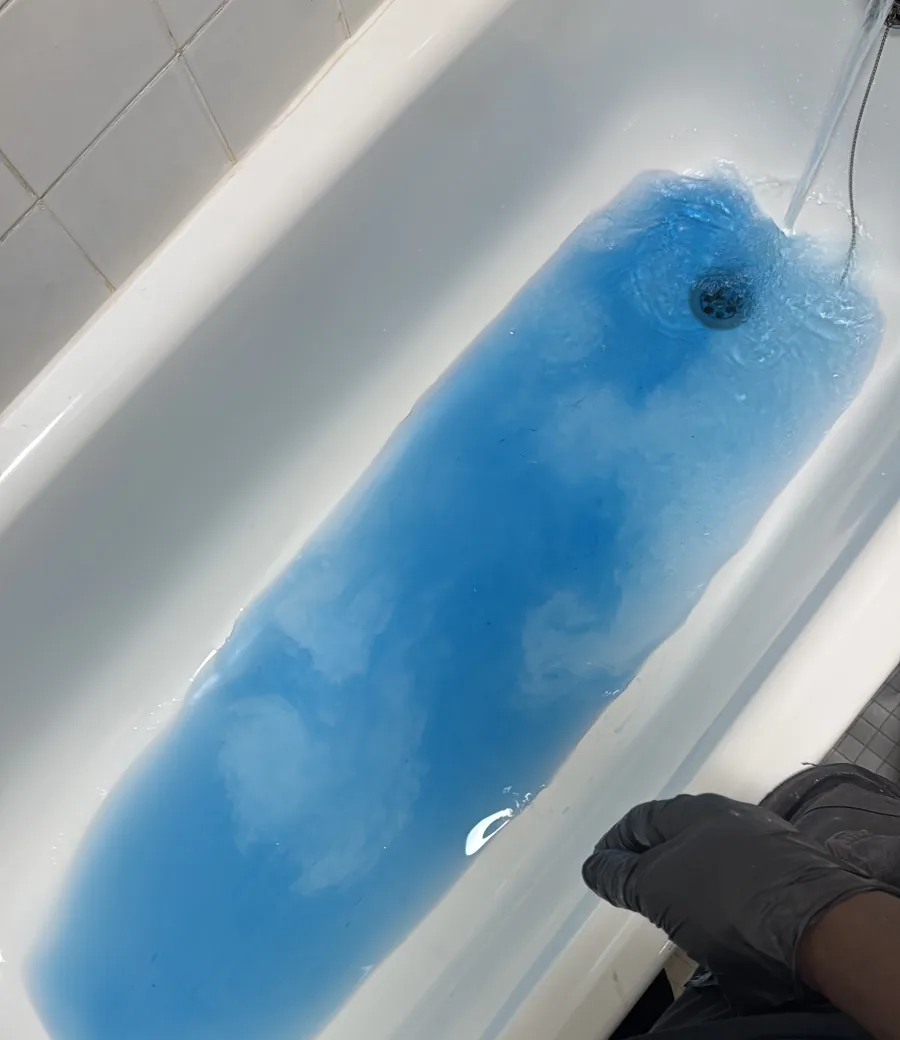
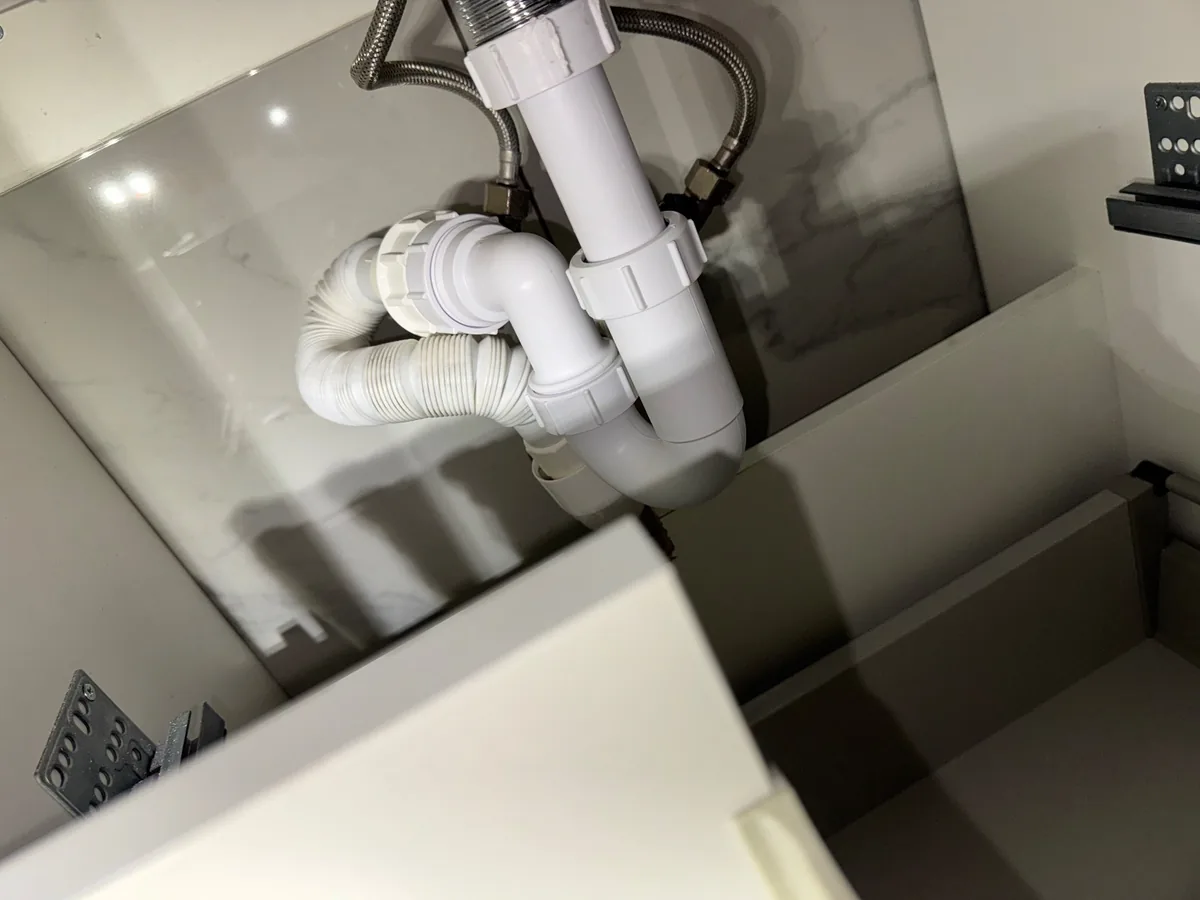
- Fill the bath, inspect the overflow and underside, then drain in one release.
- Pour water at tray edges and screen joints in turn, looking below after each.
- Run the shower for a realistic length of time, since slow seepage takes a while to show.
Finding which part leaks
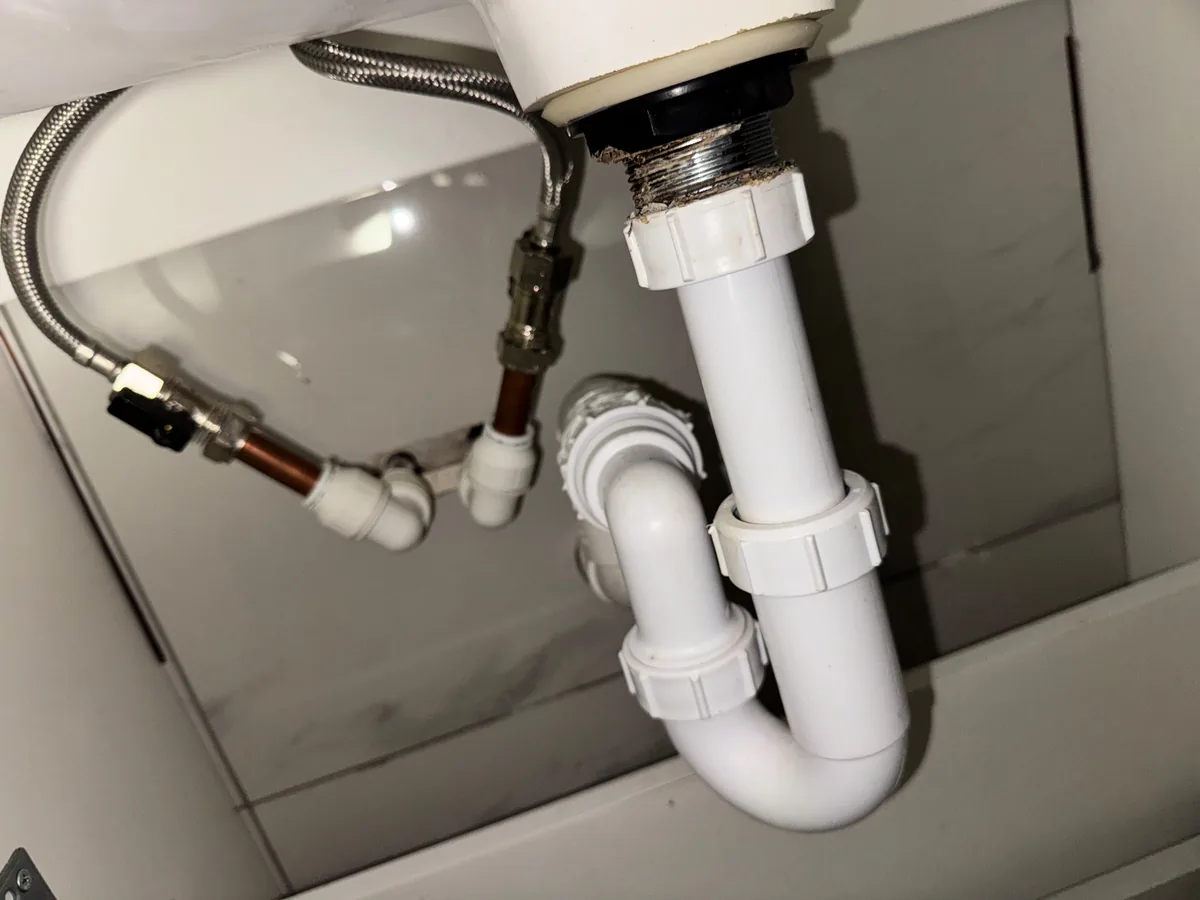
Test in a fixed order and dry the area between tests. First run the waste only, by pouring water straight into the tray. Next wet the seals and grout with a jug. Then operate the valve with the spray directed into a bucket. Damp that follows one step and not the others identifies the part at fault and avoids stripping tiles when a trap washer is the problem.
Billing for this work
| Time | Rate |
|---|---|
| Weekday, 1 hour minimum | £110 per hour |
| Evening or weekend | from £140 per hour |
24/7 emergency visits: £110 an hour plus a £60 call-out on weekdays in the daytime, from £140 an hour plus £60 in the evening or at weekends. Booked jobs carry no call-out fee. Materials are extra and agreed first. VAT is not added. Quotation free. Rates verified 28 November 2026: billing detail.
What to send
The shower model if marked, photographs of the cylinder or tank if you have one, any access panel, and where damp appears. Use the contact form.
Related reading
Shower questions often lead to shower hose rules, pressure falling when two outlets run, ticking pipes when hot water runs and drinking from a bathroom tap.
At a glance
- Service
- Showers and baths
- Area
- All of Greater London (service-area business, no showroom)
- Quote
- Free. Get the price in writing before work starts
- Phone
- 020 3961 8088
Questions
Is a leak under the bath always the waste?
No. It can come from a supply joint, the trap, the overflow or a failed seal at the wall, so each is wetted and watched in turn.
Why does the shower temperature swing?
Likely causes include the cartridge, scale, blocked filters or unequal hot and cold supplies.
Who connects an electric shower or pump?
The electrical work is for a competent electrician. Fixed wiring in bathrooms falls under Approved Document P in England.