Leaking valves, cold radiators, swaps and moves are covered by Proper Plumbing London throughout Greater London. Booked weekday work is £110 an hour with a one hour minimum and no call-out fee.
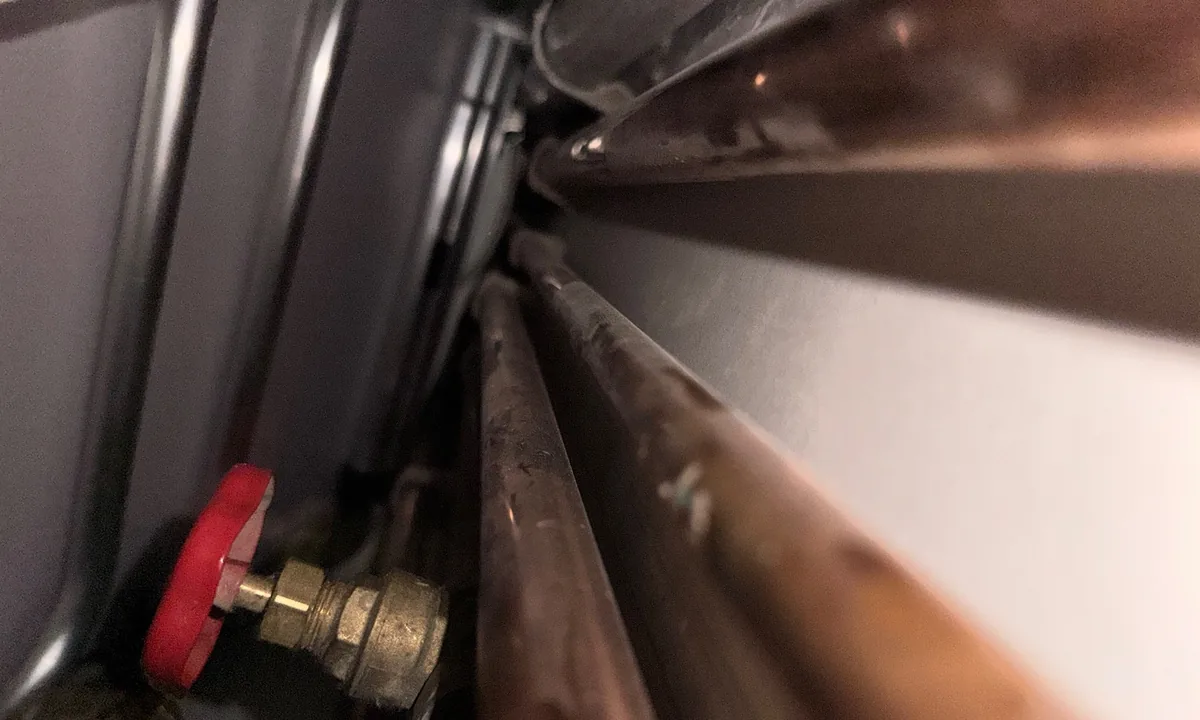
Each radiator sits between two valves: one for control and the lockshield for balancing. Faults come from those valves, from air, from debris inside the panel or from leaks at the joints, and each has a different remedy.
Diagnosis
| Symptom | Look at |
|---|---|
| Cold at top | Air; bleed it and watch for recurrence |
| Cold at bottom or centre | Sludge |
| Cold all over, others hot | Stuck valve pin, closed lockshield, balancing |
| Always on despite the setting | Failed thermostatic head or valve |
| Drip at a valve | Gland, union or pipe joint |
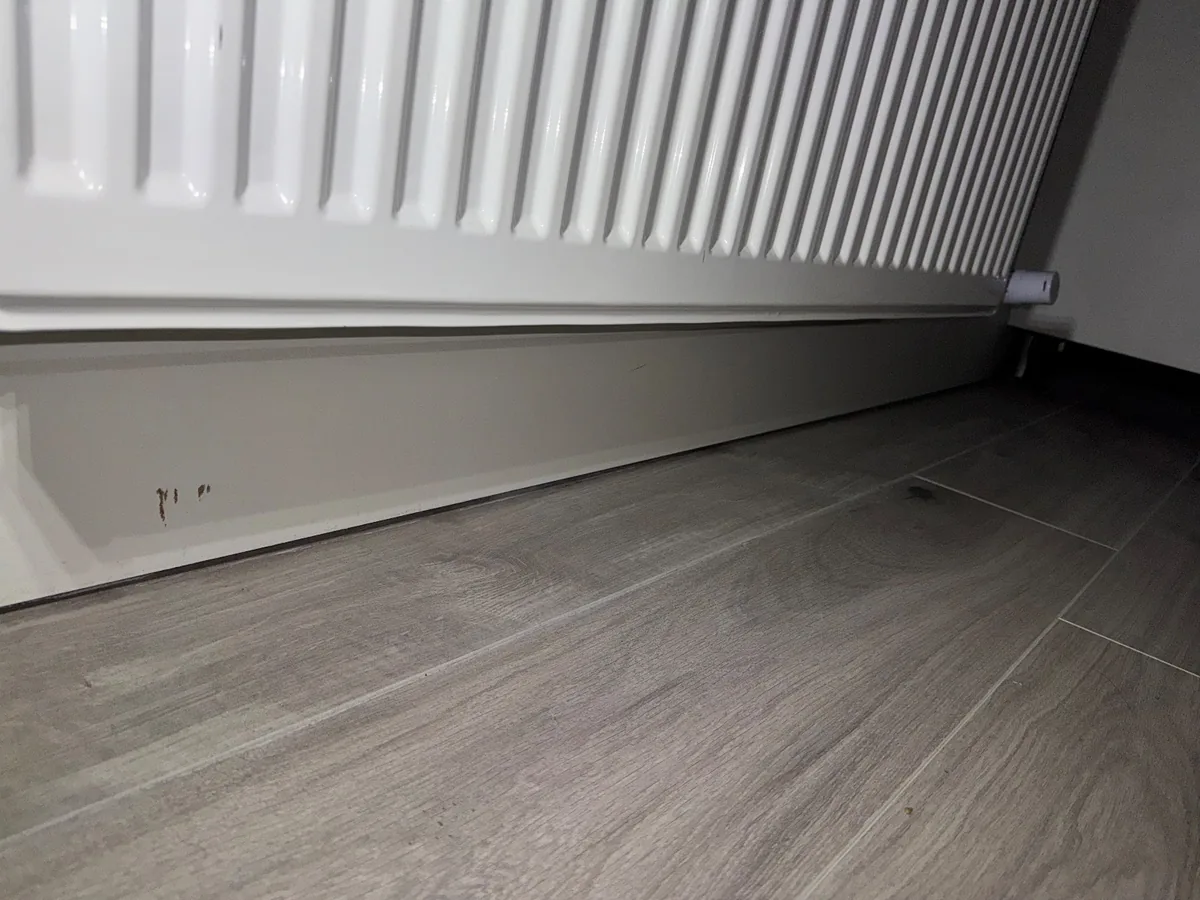
| Rust bubble or pinhole | Panel corrosion, replace |
A thermostatic head senses air temperature. Curtains, covers or a nearby heat source mislead it. The pin beneath it can often be checked with the head removed.
Changing a radiator
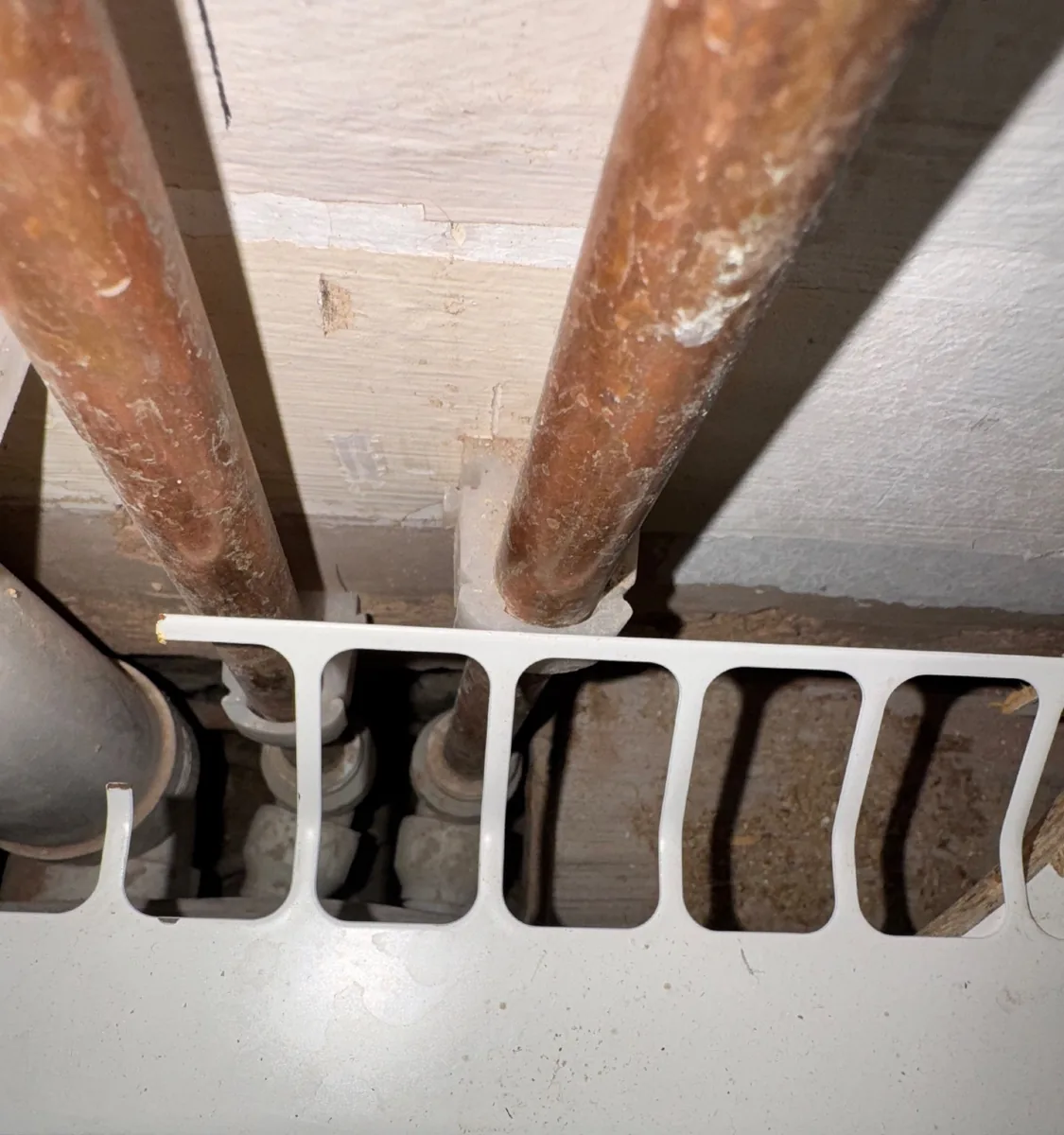
Both valves are closed, counting the turns on the lockshield so it can be returned to the same setting. The panel is vented, drained into containers and lifted off with the tails plugged, because dirty water remains inside. A replacement of different width or tapping centres means moving pipework or using extensions. Heat output is selected for the room, not simply by matching the old size. Wall construction decides the fixings, as a full radiator is heavy.
Changing a valve
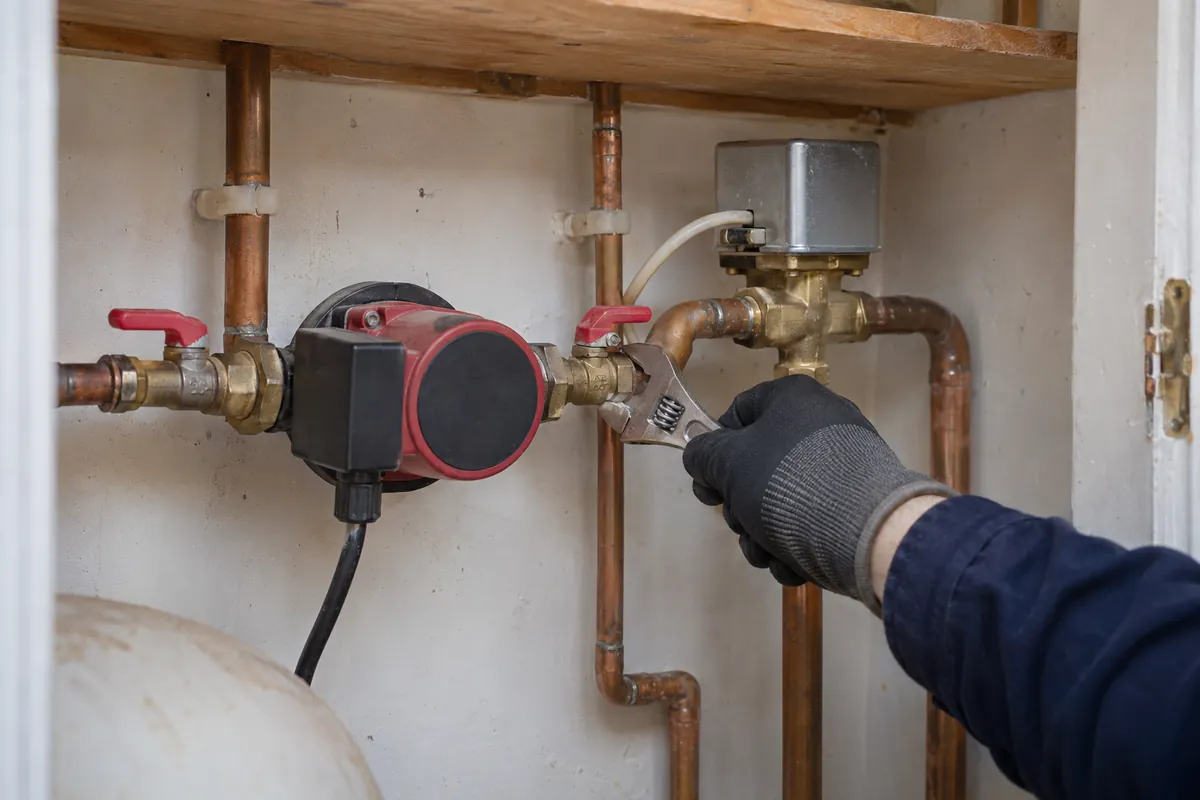
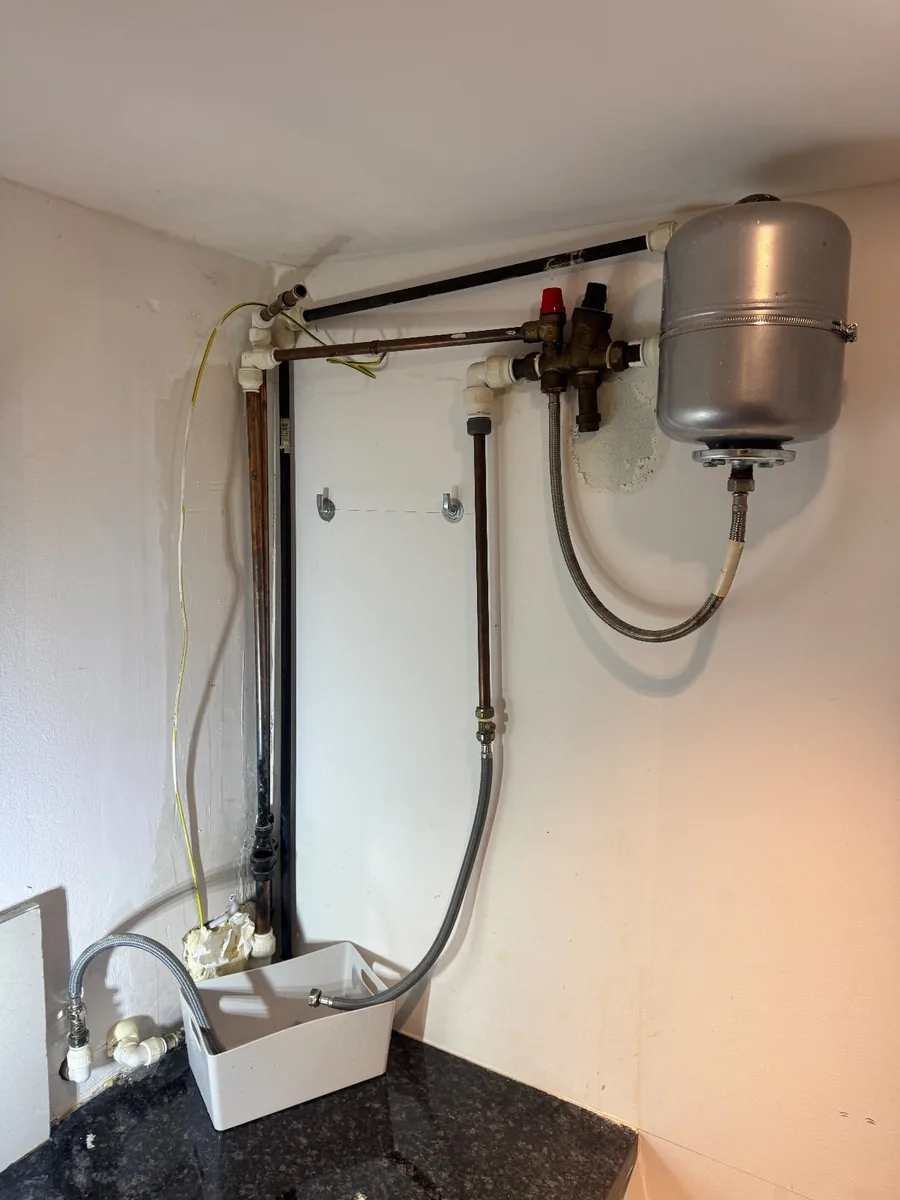
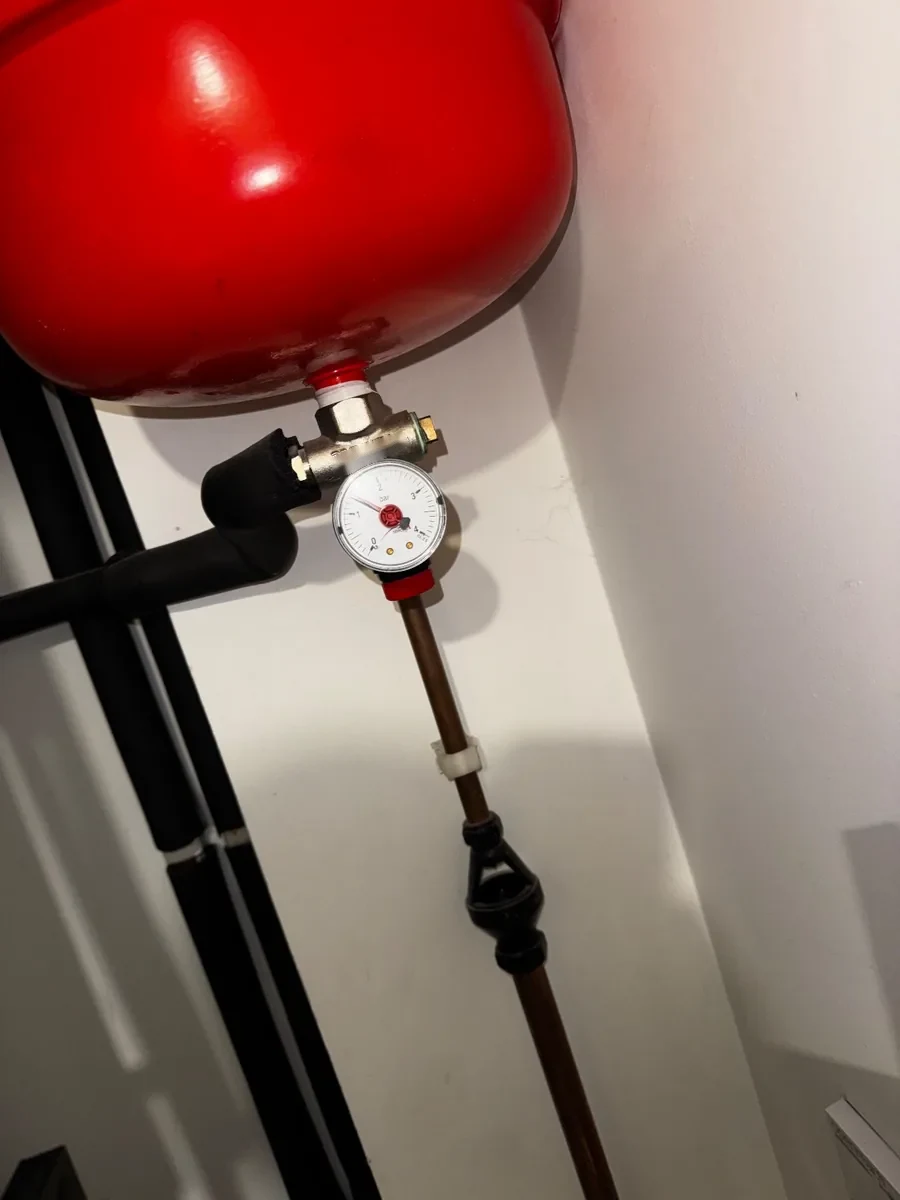
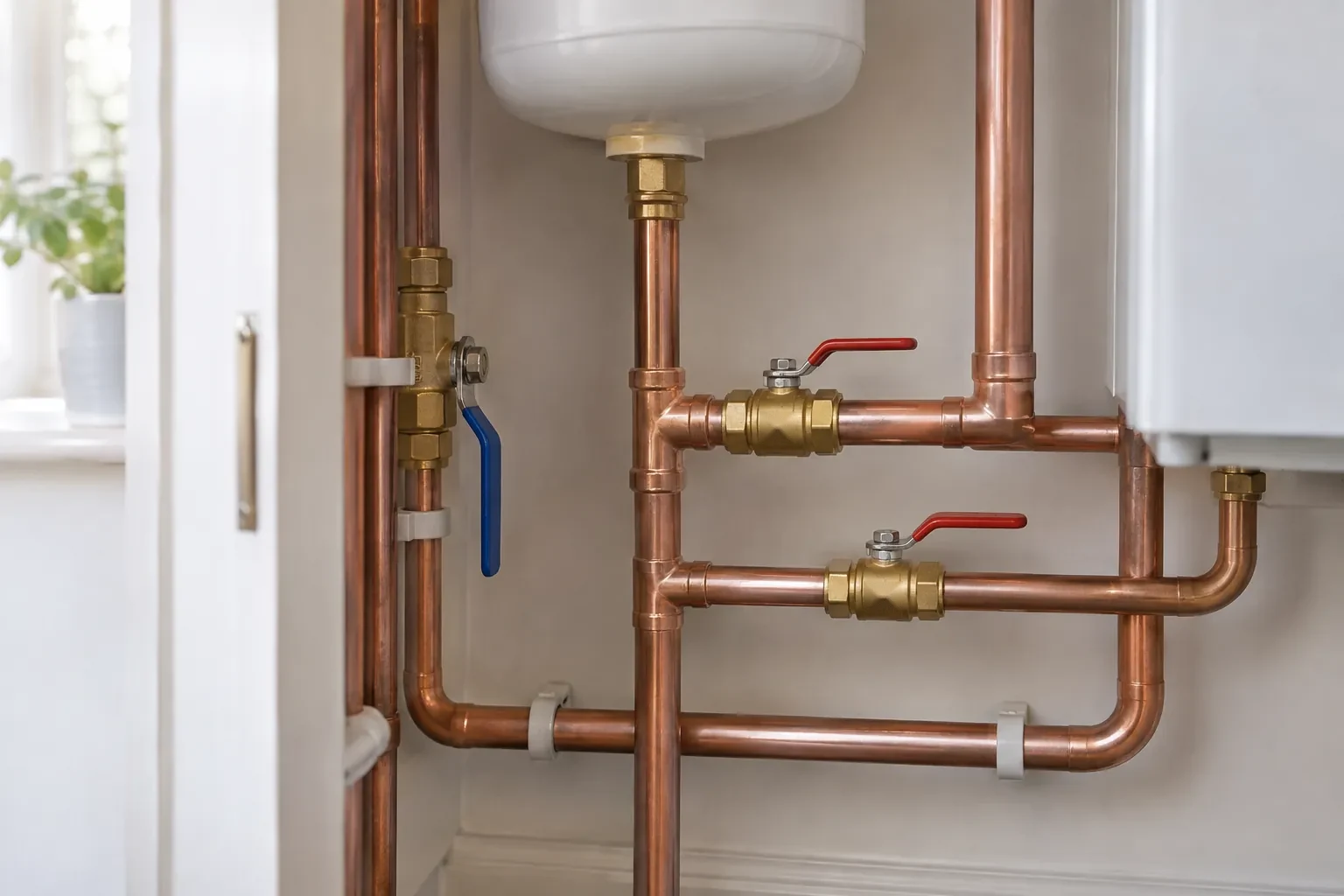
The circuit usually has to be drained below that point, or frozen. The system type matters: a sealed system is drained and repressurised, while a tank-fed one needs its supply held off and refilled with attention to air. New valve bodies are not always the same length as old, so pipe adjustment may be needed. Flow direction marks on the body are followed.
Inhibitor lost during draining should be replaced. Faults beyond the radiators are traced under central heating repairs.
Testing and balancing
- Refill slowly, venting from the lowest radiators upwards.
- Check unions, tails and drain points cold.
- Run the heating and check again hot, when expansion shows weak seals.
- Open lockshields progressively so nearer radiators do not take most of the flow.
- Compare pipe temperatures at each end and adjust in small steps.
- Recheck the system level or pressure after it cools.
Recurring air or noise
A radiator that needs bleeding again and again is telling you air is entering or gas is forming inside the system. Causes include low static head, pump settings, a leak that leads to repeated filling, or corrosion. Knocking or rushing noises can follow poor balancing or a thermostatic valve fitted against the flow. Trace the cause before changing the radiator, otherwise the replacement will behave in the same way.
Billing for this work
| Time | Rate |
|---|---|
| Weekday, 1 hour minimum | £110 per hour |
| Evening or weekend | from £140 per hour |
24/7 emergency visits: £110 an hour plus a £60 call-out on weekdays in the daytime, from £140 an hour plus £60 in the evening or at weekends. Booked jobs carry no call-out fee. Materials are extra and agreed first. VAT is not added. Quotation free. Rates verified 28 November 2026: billing detail.
What to send
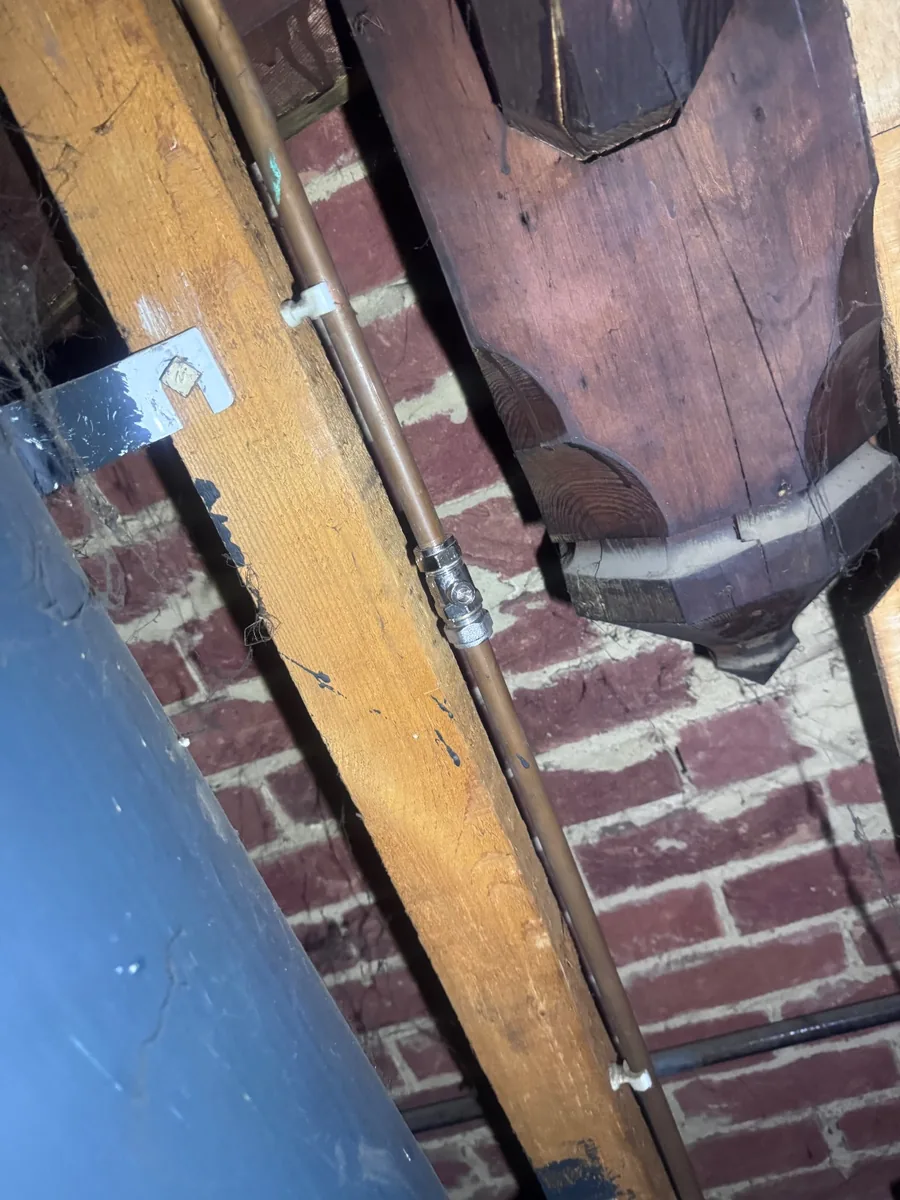
Photographs of both valves and the pipes, radiator dimensions, the number of radiators and whether there is a tank in the loft. Use the contact form.
Related reading
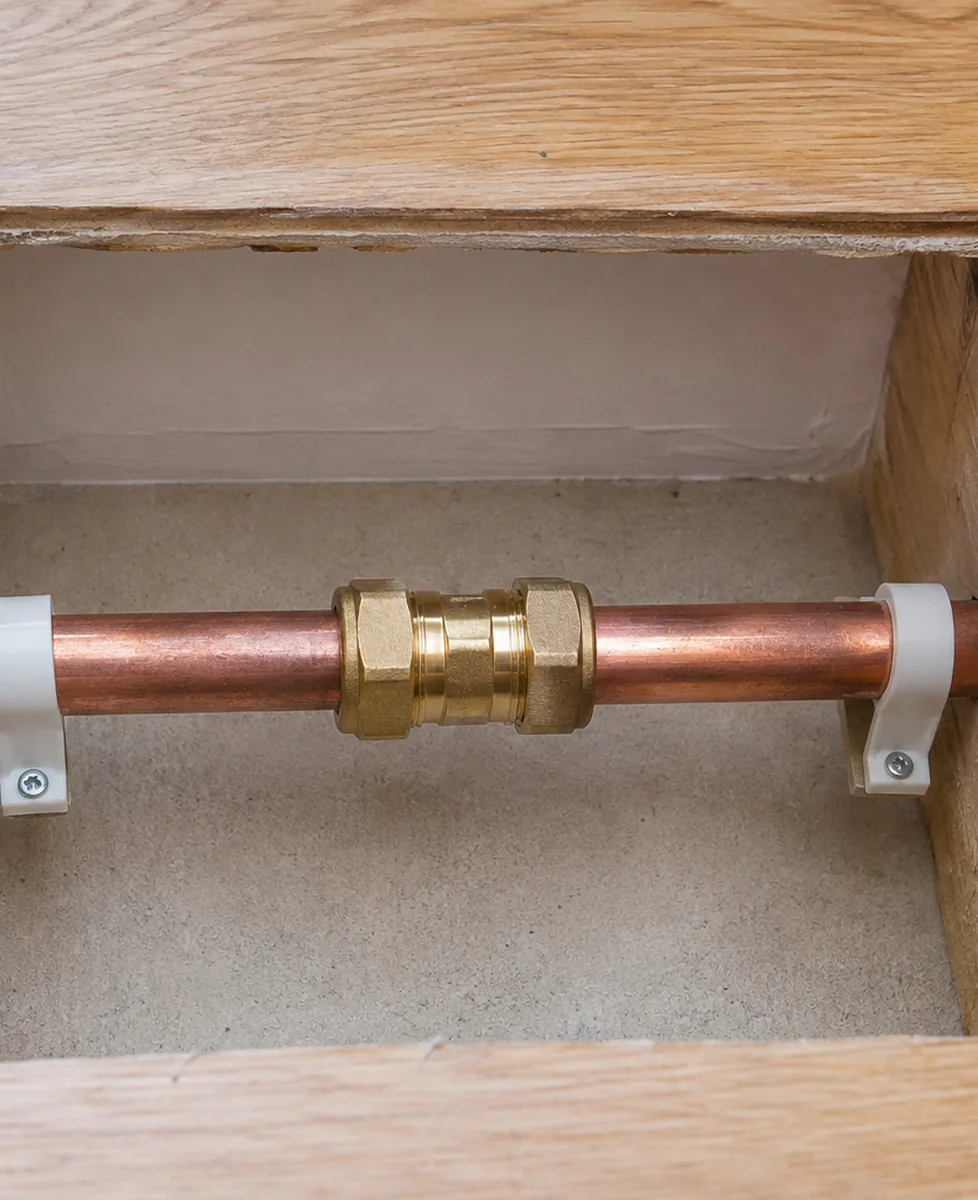
Joint details that come up on valve changes are copper or brass olives, removing a seized olive, thread sealing, imperial copper sizes and joining iron to copper.
At a glance
- Service
- Radiators and valves
- Area
- All of Greater London (service-area business, no showroom)
- Quote
- Free. Get the price in writing before work starts
- Phone
- 020 3961 8088
Questions
Does the whole system need draining to change a valve?
Not always. The circuit is usually drained to below the valve, or the pipe is frozen where that is suitable, and a sealed or tank-fed system is then refilled accordingly.
Why is a radiator cold at the top?
Trapped air is the usual first check. If it keeps returning, air is entering or gas is forming inside the system and the cause needs tracing.
Can any size of radiator replace an old one?
A different width or tapping centres means moving pipework or using extensions, and heat output should be chosen for the room.