Pipework and valves
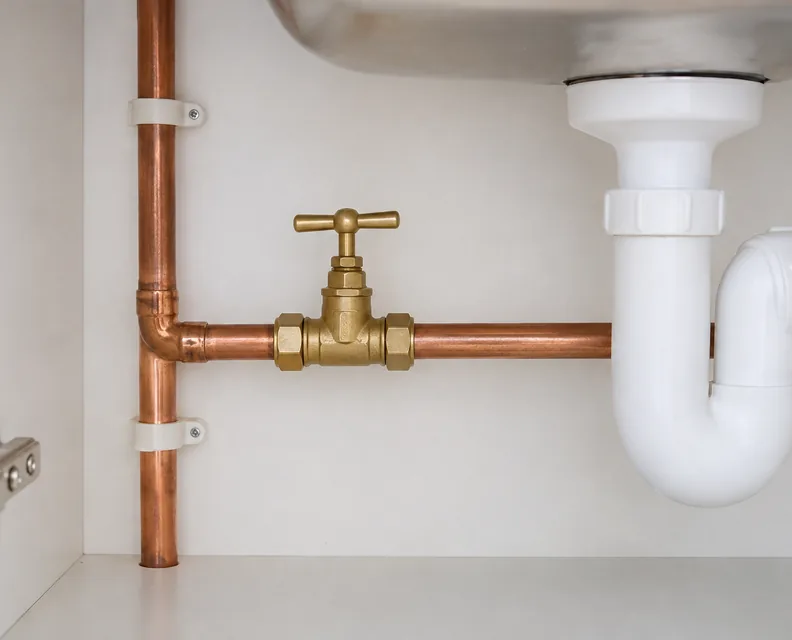
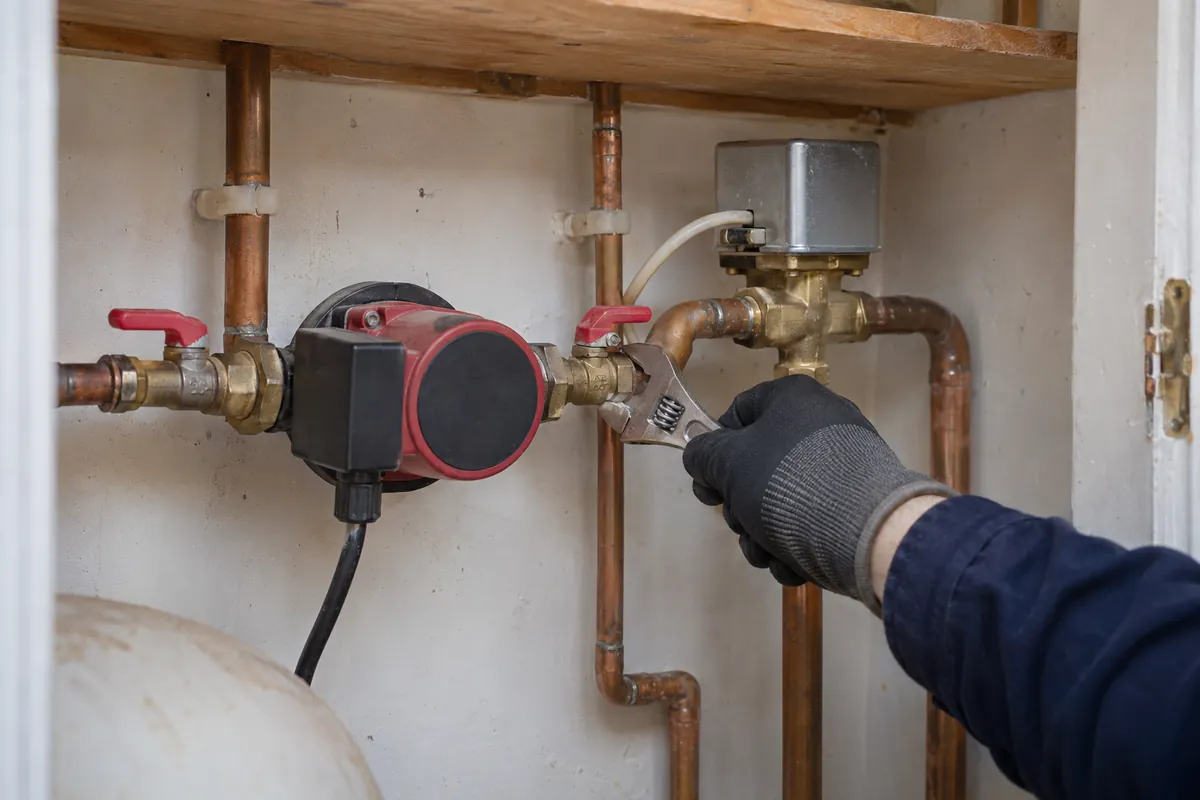
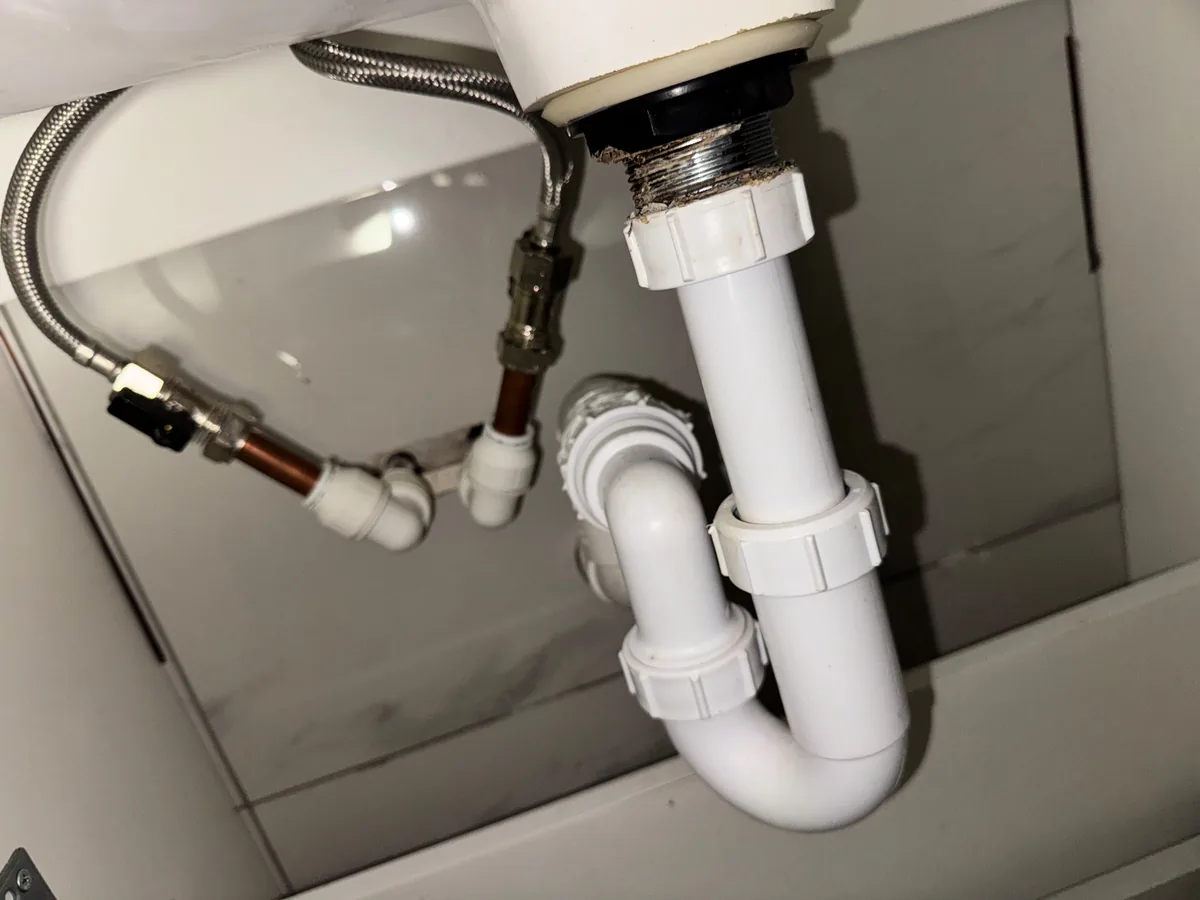
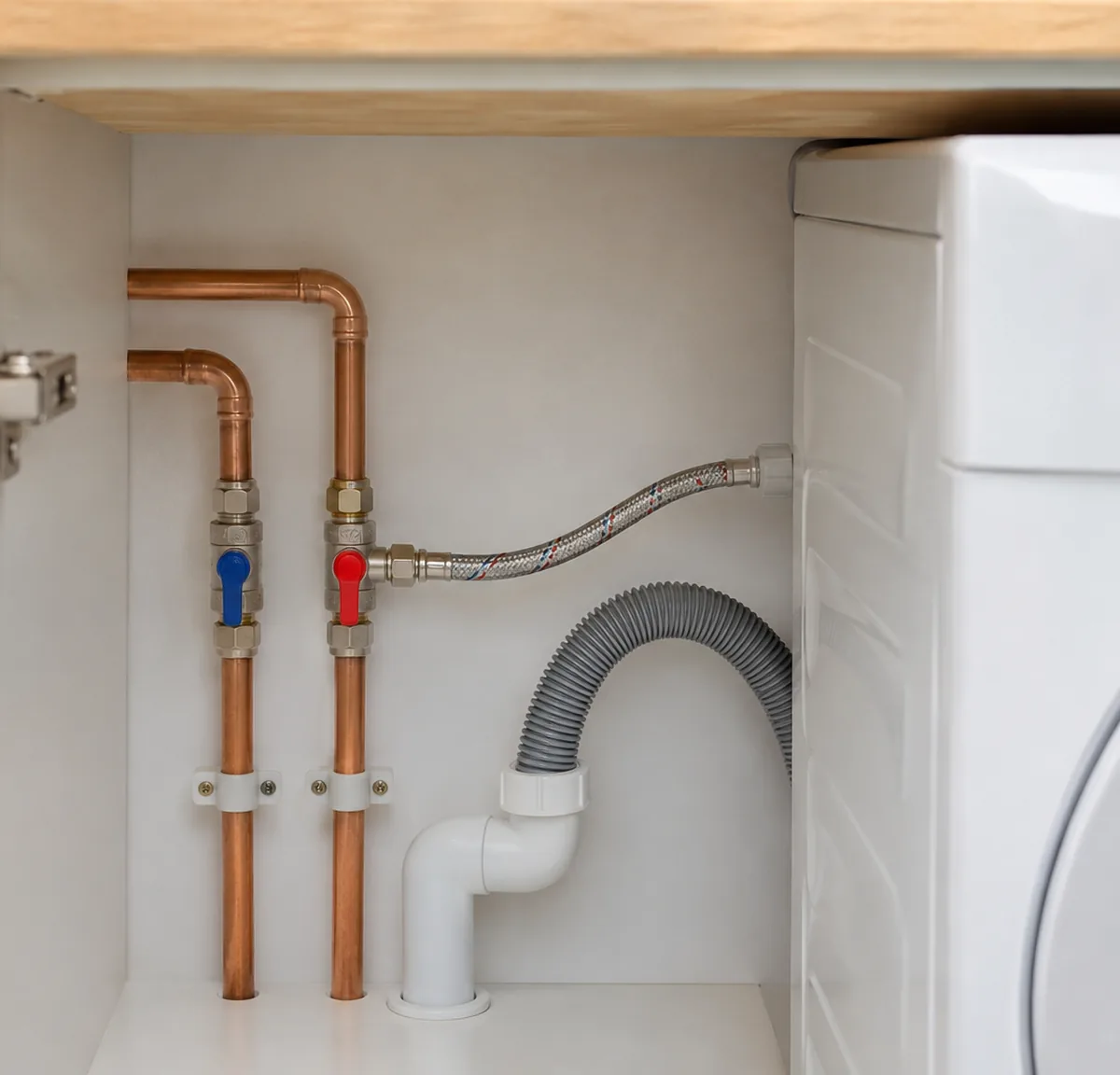
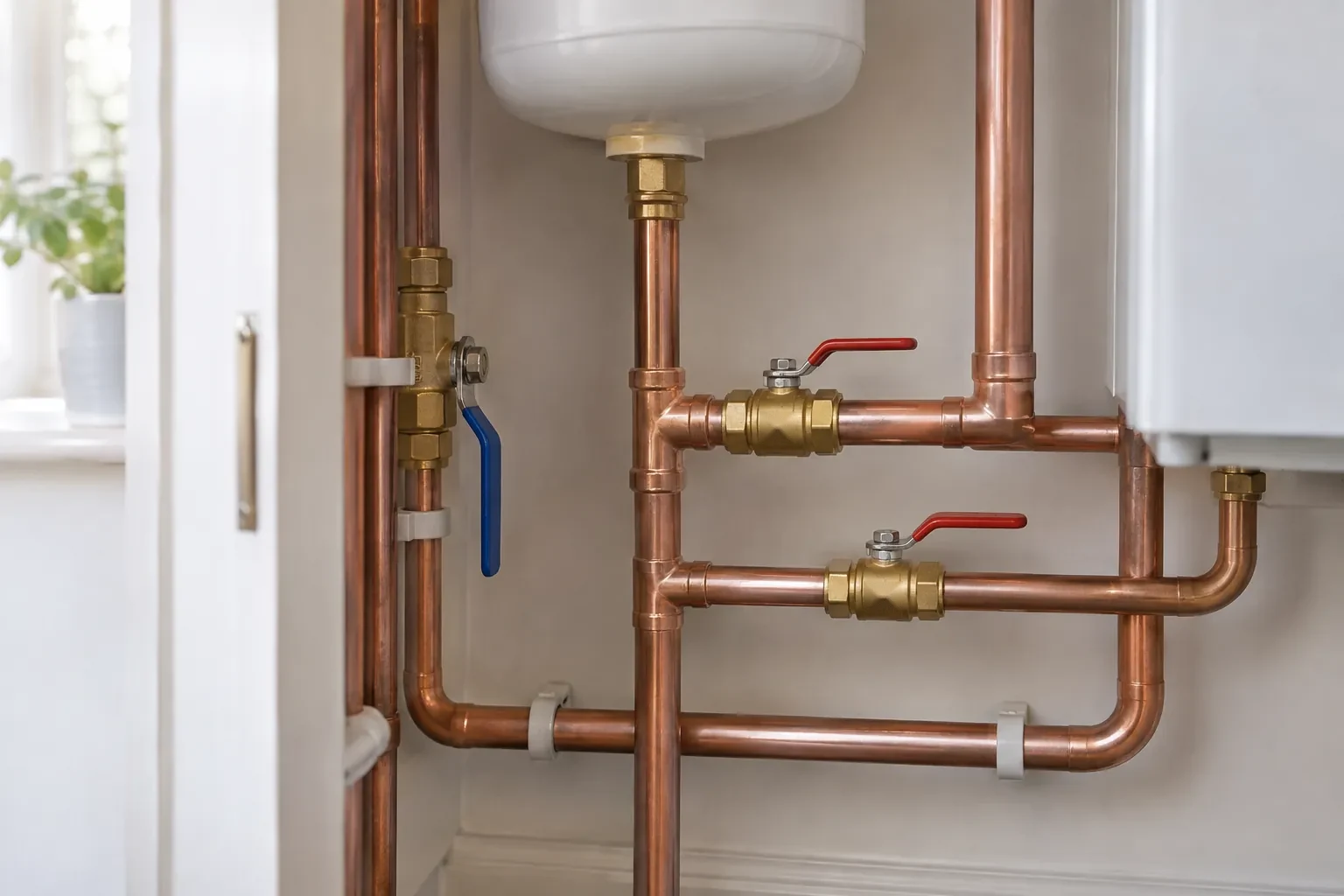
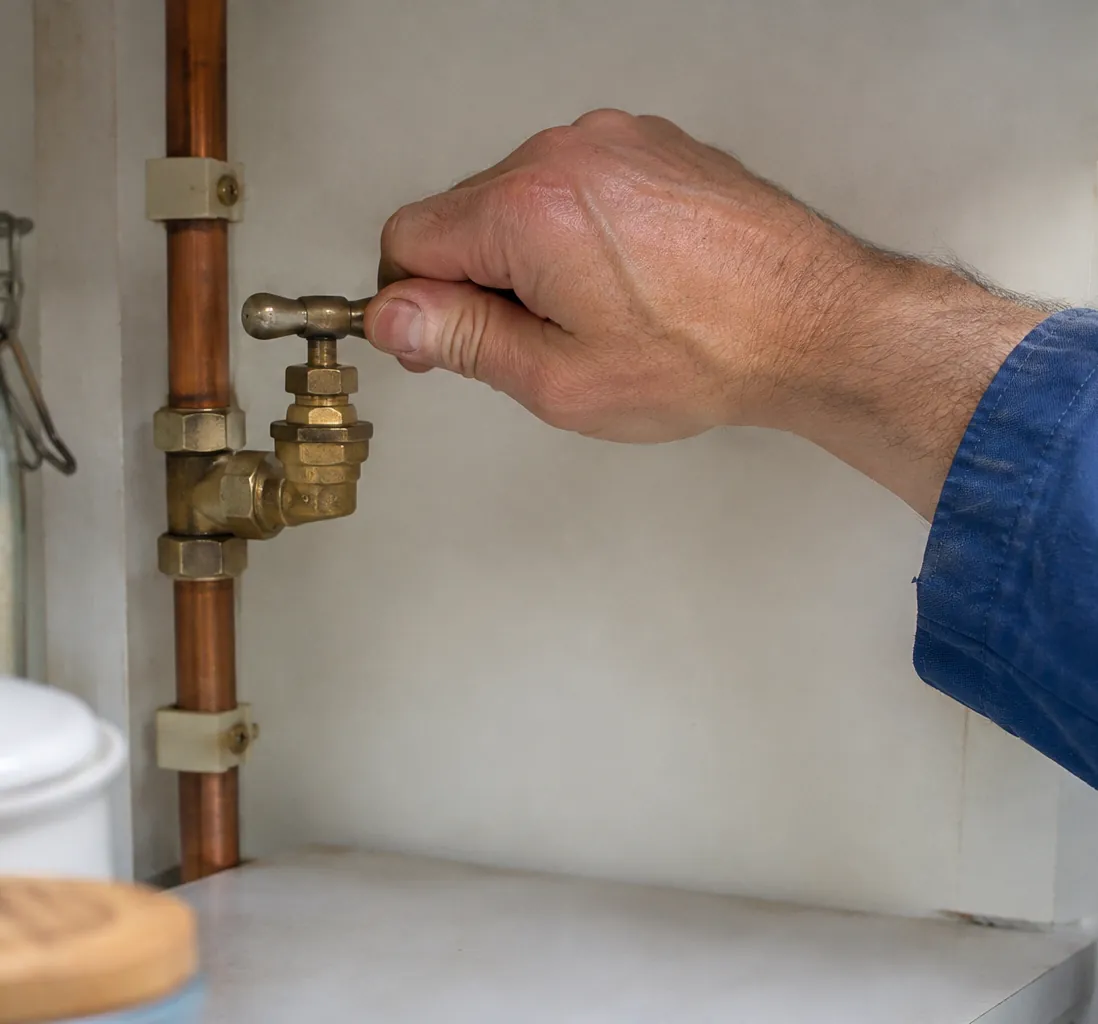
An isolation or servicing valve shuts off water to one fitting so it can be repaired without turning off the whole property. Replace it when it no longer closes fully, cannot be turned without force, restricts flow too much, or add one where none exists. The valve itself is small; the effort depends on how the water upstream can be stopped.
When it is needed
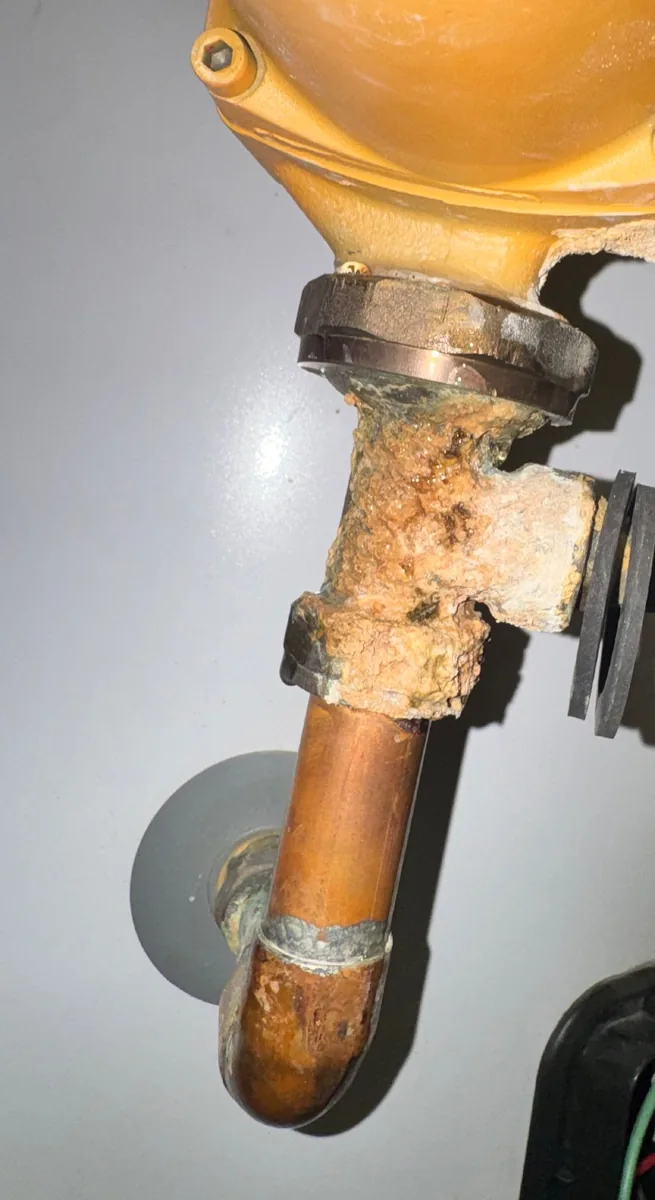
- The slot or handle is seized
- Water still flows with the valve closed
- The body or spindle is damaged or corroded
- A tap or appliance has to be changed and there is nothing to close
- A narrow-bore valve is limiting flow
Do not force a stiff valve. If one is already leaking, close the supply upstream and get urgent help if you cannot contain it.
Where valves are required
Schedule 2 of the Water Fittings Regulations defines a servicing valve as one used to shut off water to a connected fitting for maintenance. It requires enough of them, with drain taps, to limit discharge during repairs. It specifically requires one on the inlet next to storage and WC cisterns, and on the outlet of most storage cisterns.
What gets looked at
- Pipe size and material on both sides
- Whether the inside stop valve or an outlet valve upstream actually holds
- Hot or cold, direct-fed or tank-fed
- Space for a handle or screwdriver to turn
- Condition of old pipe where the new joints will seal
Ways to hold back the water
| Method | Suits | Trade-off |
|---|---|---|
| Close an upstream valve and drain the section | Most jobs | Depends on that valve working |
| Drain the cistern or system | Tank-fed branches | Takes longer; affects more outlets |
| Freeze the pipe either side | Where draining is impractical | Temporary plug with limited working time |
Thames Water notes that pipe freezing gives a short window, around 30 minutes, and describes it as work for an accredited plumber.
Choosing the replacement
| Valve | Point to weigh |
|---|---|
| Quarter-turn slotted service valve | Compact; bore may be small |
| Full-bore lever valve | Better flow, needs room for the lever |
| Compression ends | Reusable fitting, must remain accessible |
| Push-fit ends | Quick, needs clean round pipe and correct inserts for plastic |
More detail is on types of isolation valve. Any replacement should be suitable for drinking water where it feeds a drinking supply, and must stay reachable.
What changes the price
- Number of valves, since several done in one drain-down share the preparation
- A failed upstream valve that has to be dealt with first
- Tiled, boxed or under-sink access
- Imperial or damaged pipe needing transition pieces
- Communal supplies in flats, where shut-off must be arranged with neighbours or a managing agent
Ask for a quote
Say on the contact form what each valve feeds and whether your inside stop valve closes properly, and email a photo of each valve with the surrounding pipe. If you have a list of small valve jobs, include them all.
Related reading
Before replacing one, it helps to know about a valve that will not turn, a valve left partly closed and full bore and reduced bore valves.
At a glance
- Service
- Isolation valve replacement
- Area
- All of Greater London (service-area business, no showroom)
- Quote
- Free. Get the price in writing before work starts
- Phone
- 020 3961 8088
Questions
Can an isolation valve be changed without draining the system?
Sometimes. If an upstream valve holds, only that section is drained. Pipe freezing is another route; Thames Water describes it as work for an accredited plumber with an ice plug lasting around 30 minutes.
Quarter-turn, full bore or compact service valve?
A compact slotted valve suits many mains-fed taps and cisterns. A full-bore valve passes water more freely, which matters on low-pressure tank-fed pipes. A lever type needs room to swing.
What affects the cost of replacing one?
How the water can be shut off, access, the condition of the pipe, and the number of valves done in one visit. A failed valve upstream adds work.