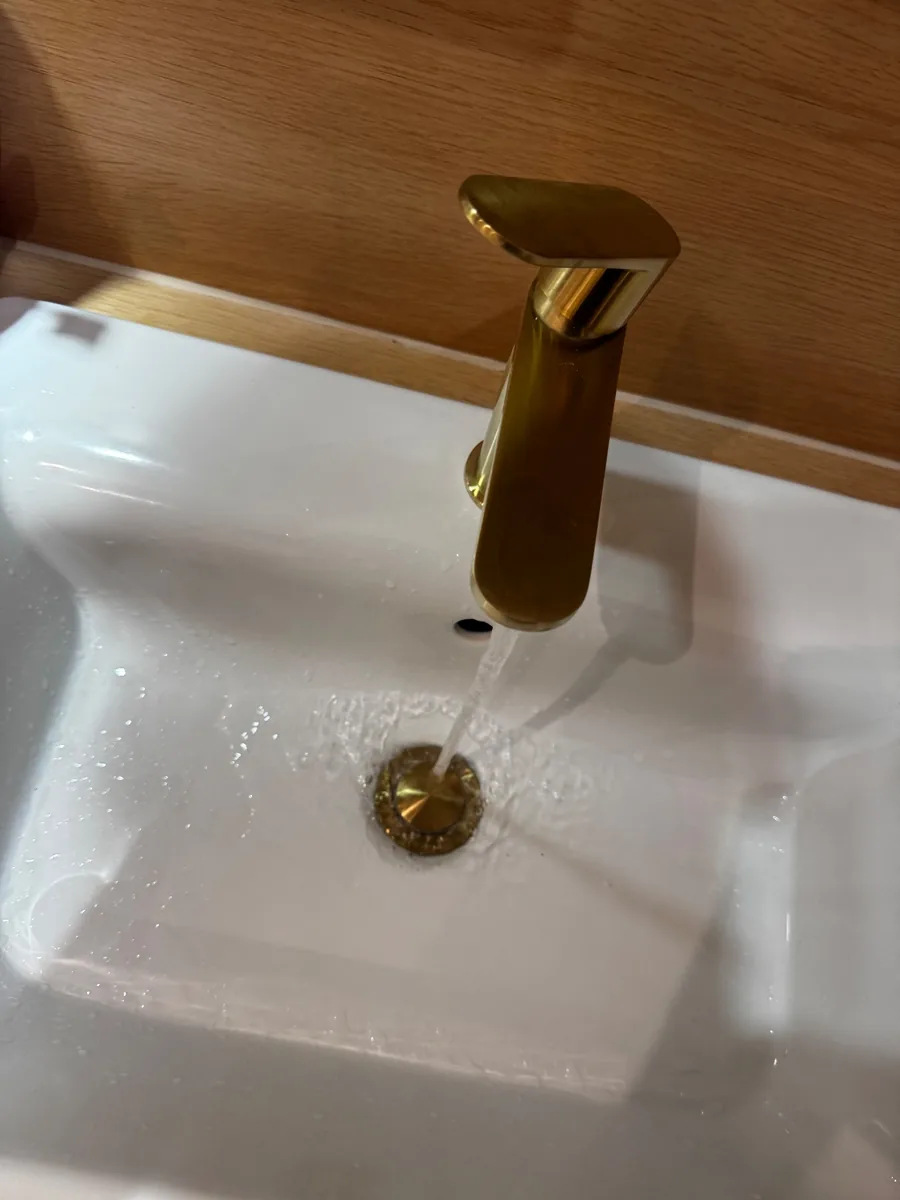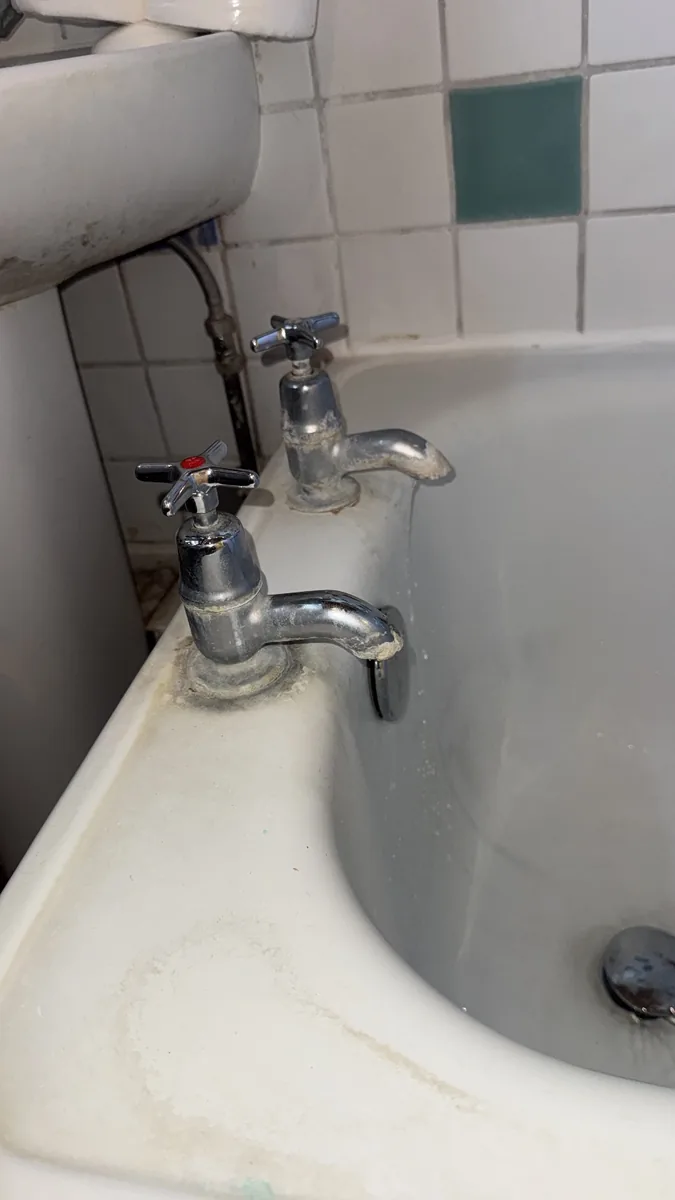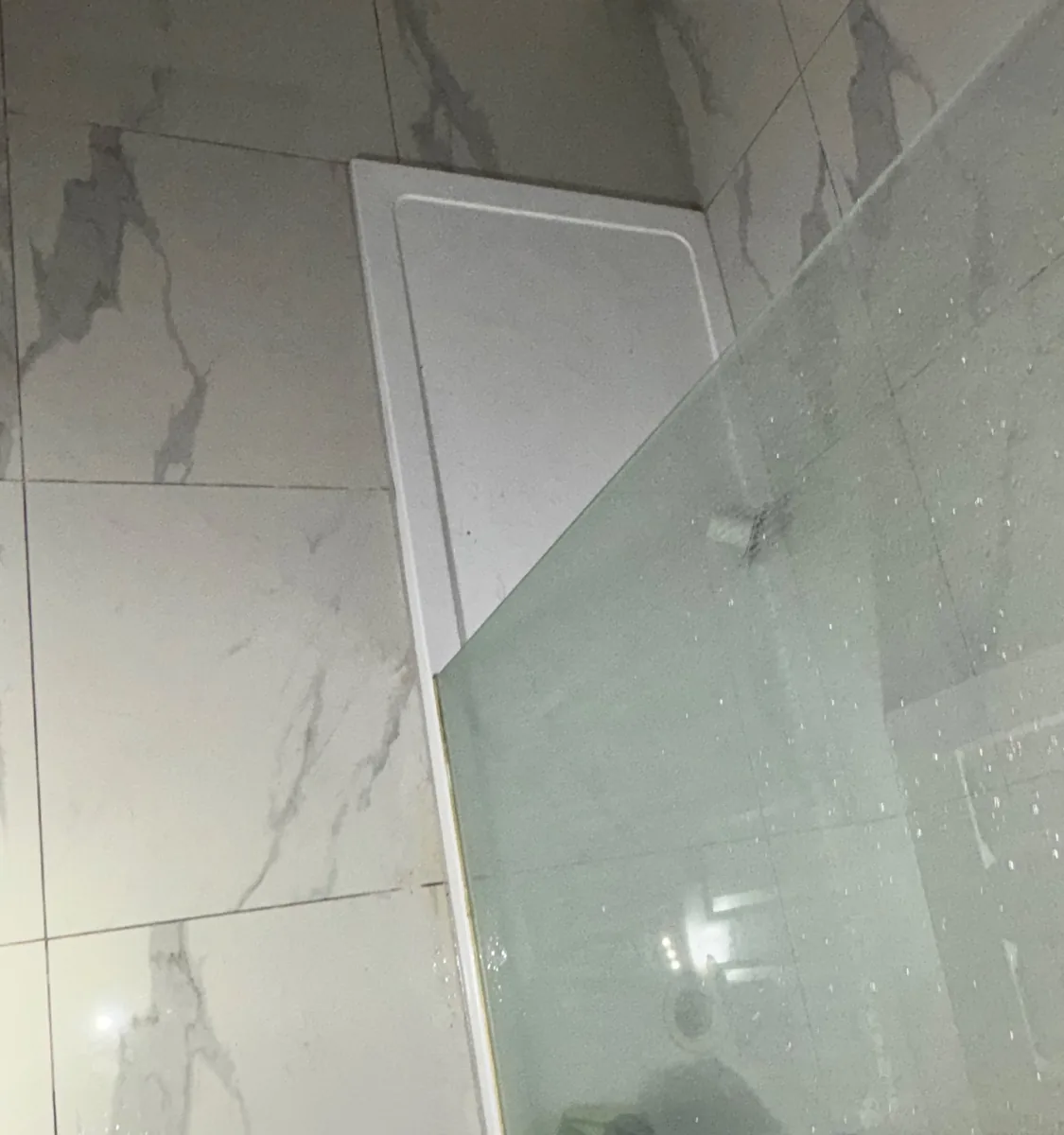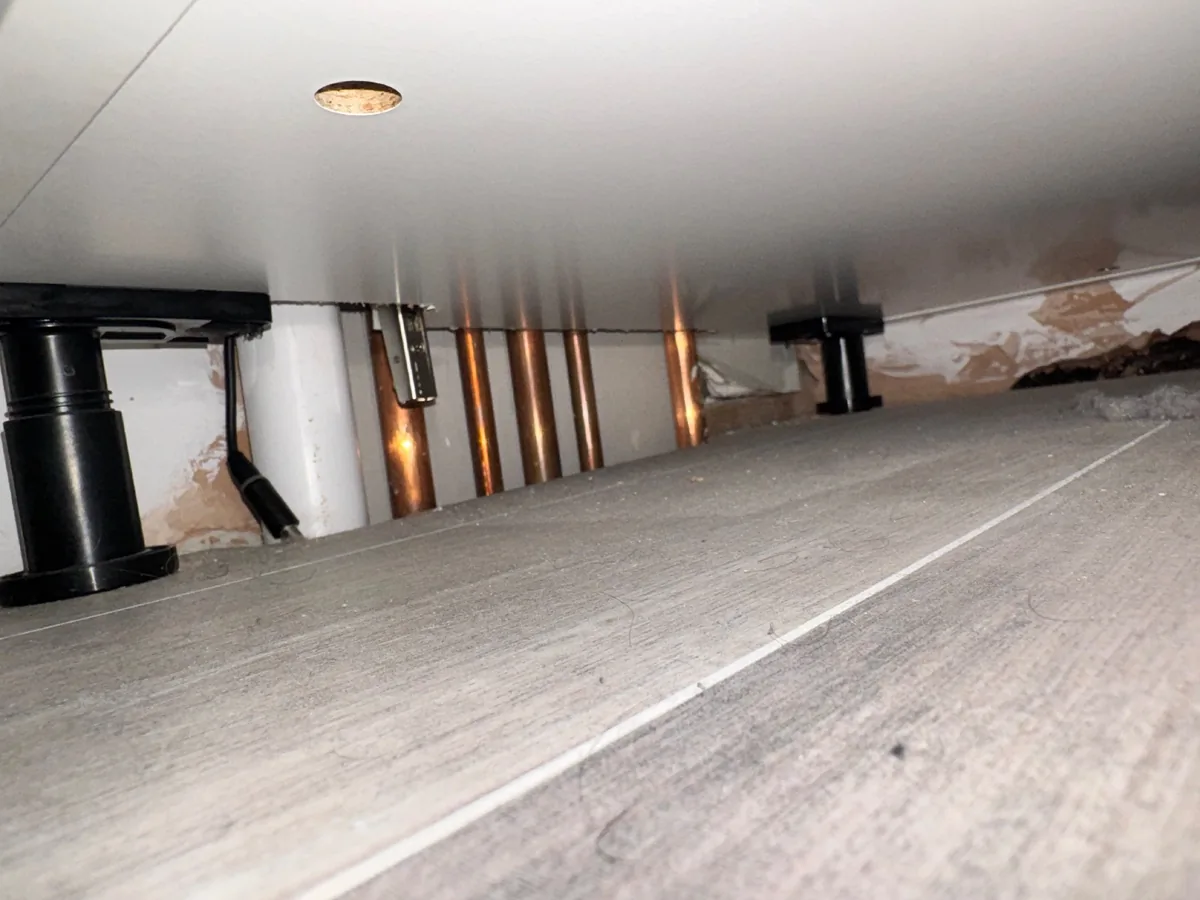
Proper Plumbing London takes on repairs in rented homes across Greater London, between lets or with tenants in place. Weekday plumbing is £110 an hour with a one hour minimum, and the quote is free.
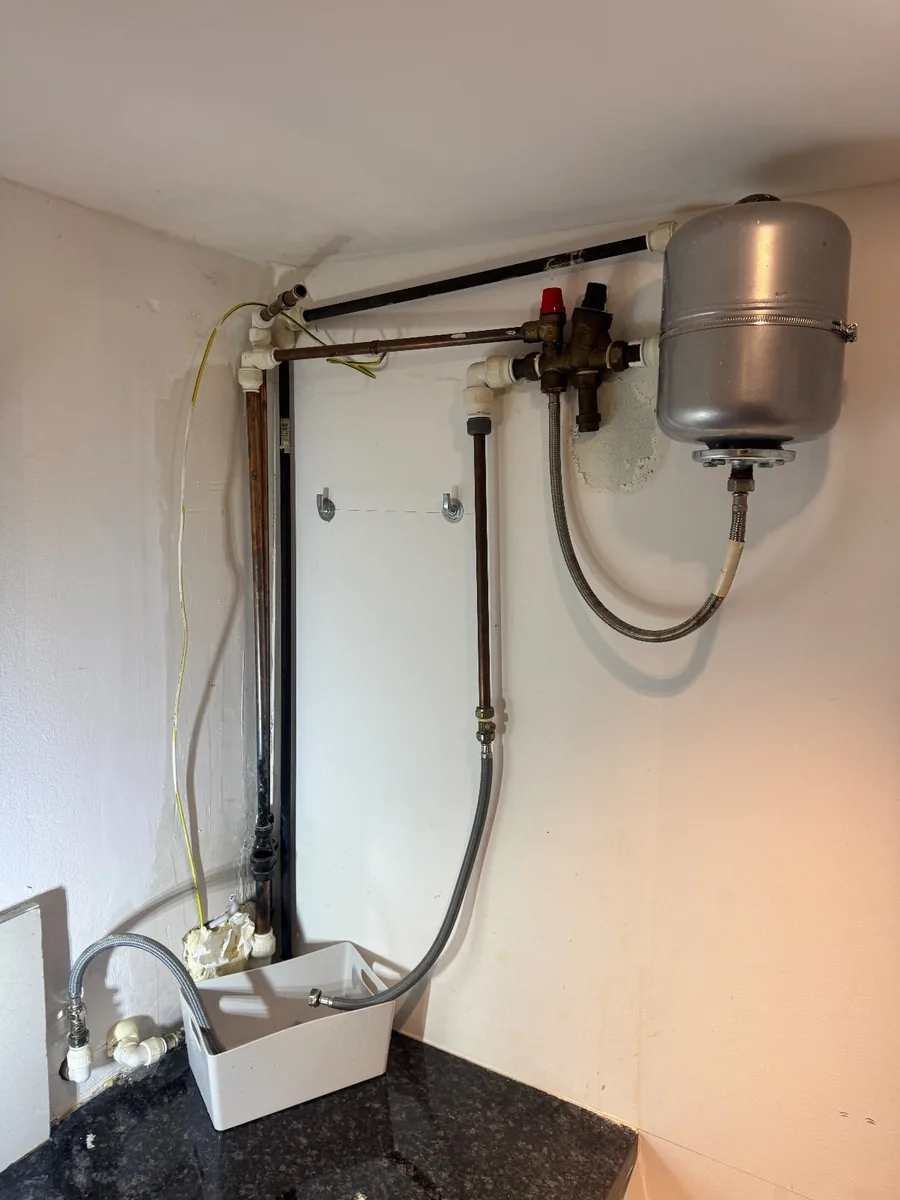
Plumbing in a let property needs the same technical diagnosis as any home, plus clear access arrangements and a written record of what was found, done and left outstanding.
Repair duties
For many shorter residential tenancies in England (occupation contracts in Wales have separate repair rules), section 11 of the Landlord and Tenant Act 1985 places a repairing duty on the landlord covering sanitation and water installations (toilets, baths, sinks and basins among them) and the equipment for heating rooms and water. GOV.UK summarises landlord responsibilities. This page is not legal advice.
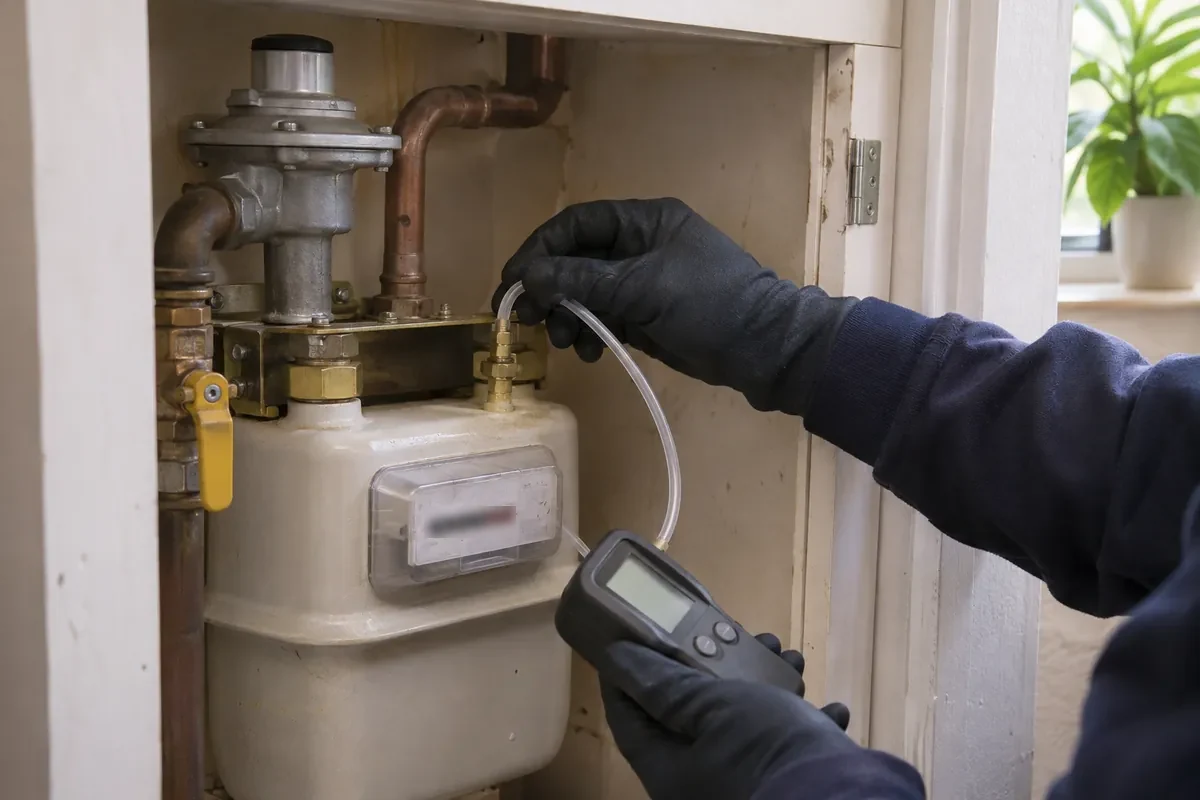
Landlords also have duties to assess the risk from legionella in water systems, explained by the Health and Safety Executive. Yearly gas safety checks are a distinct legal duty reserved to Gas Safe registered engineers. The full list, arranged system by system, is on the services page.
Taking a useful fault report
Ask the tenant:
- Which fitting, and what exactly happens
- When it began and whether it is constant
- Whether water is damaging anything or reaching another property
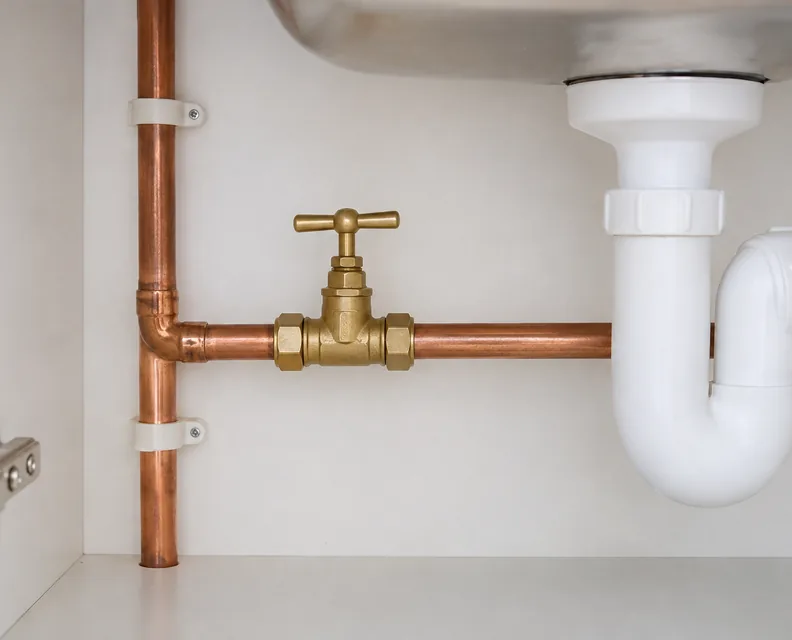
- Whether the stop valve has been located and works
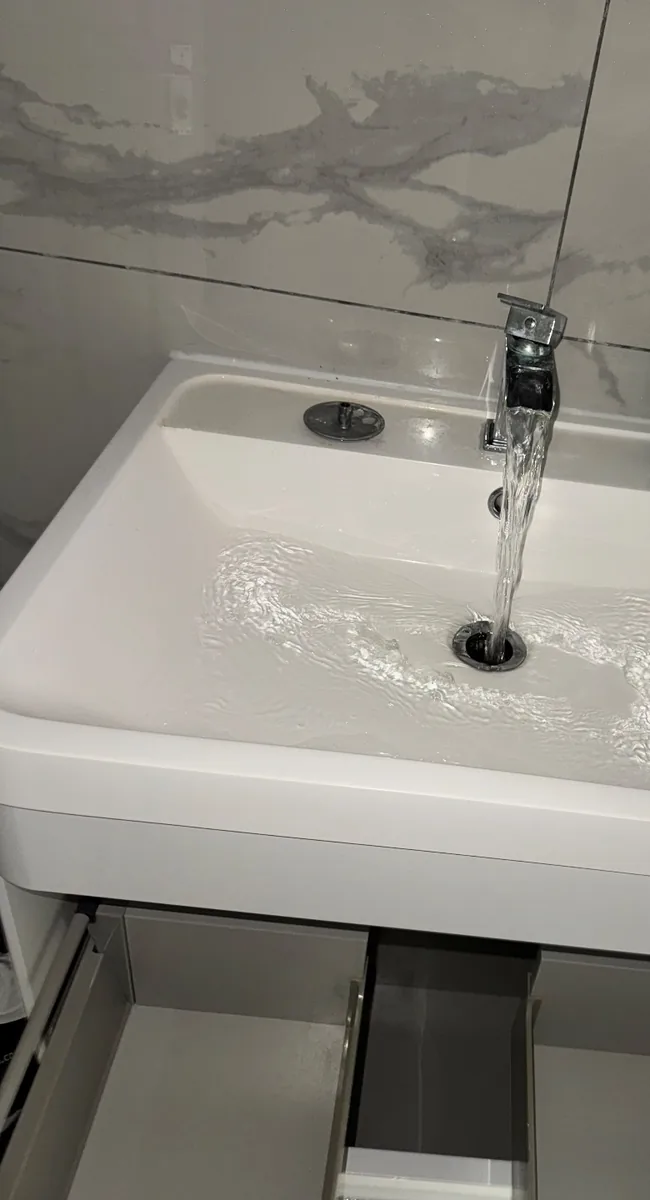
- Photographs or a short video
That information separates a blockage from a failed valve before the visit and helps ensure access to the correct room.
On site
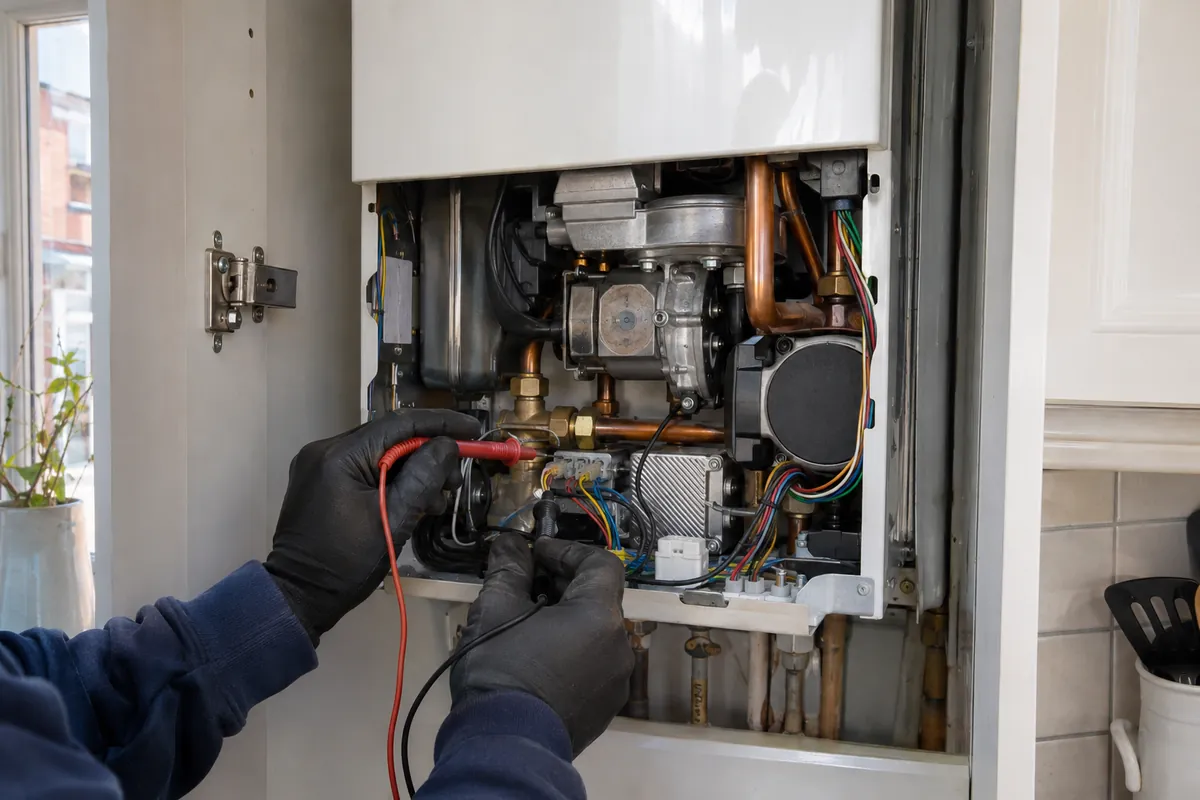
The reported symptom is reproduced where safe, then traced to its cause. The record should distinguish the immediate repair from related defects, such as a seized valve found while changing a cistern part. Further work is described for approval, with the effect of leaving it.
Checks between tenancies
| Item | Check |
|---|---|
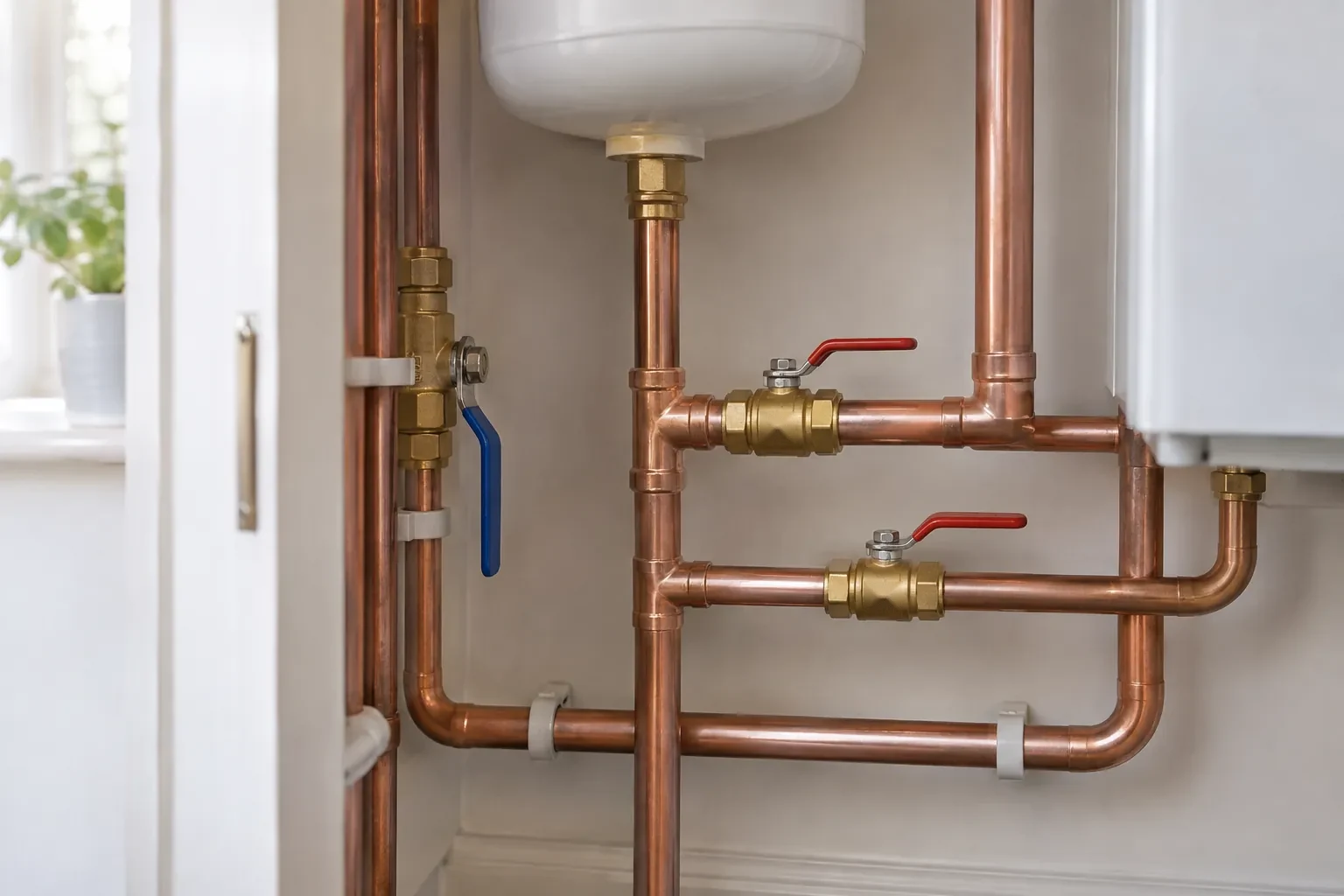
| Stop and service valves | Turn and close fully |
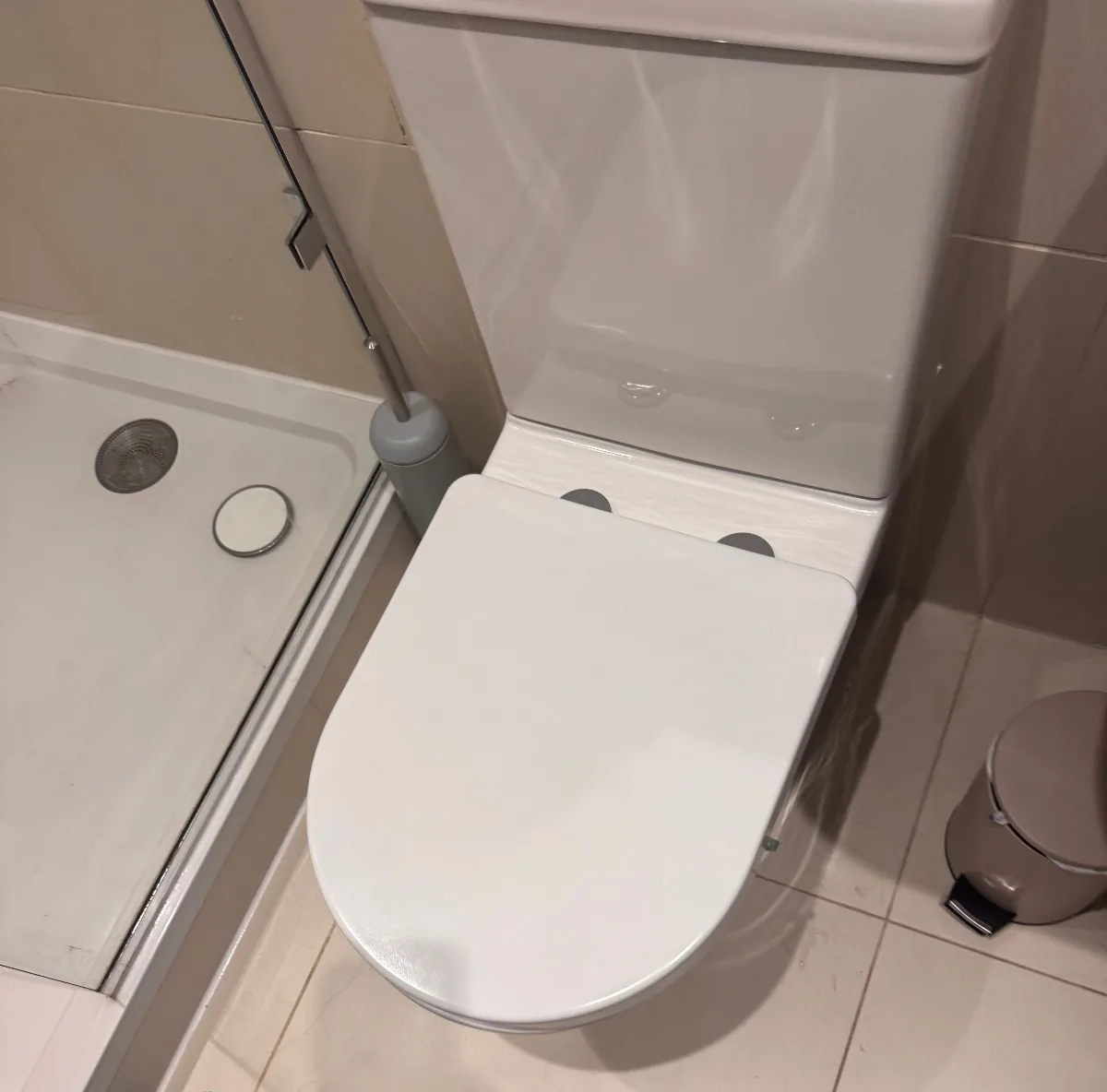
| Taps and cisterns | No drips or passing water |
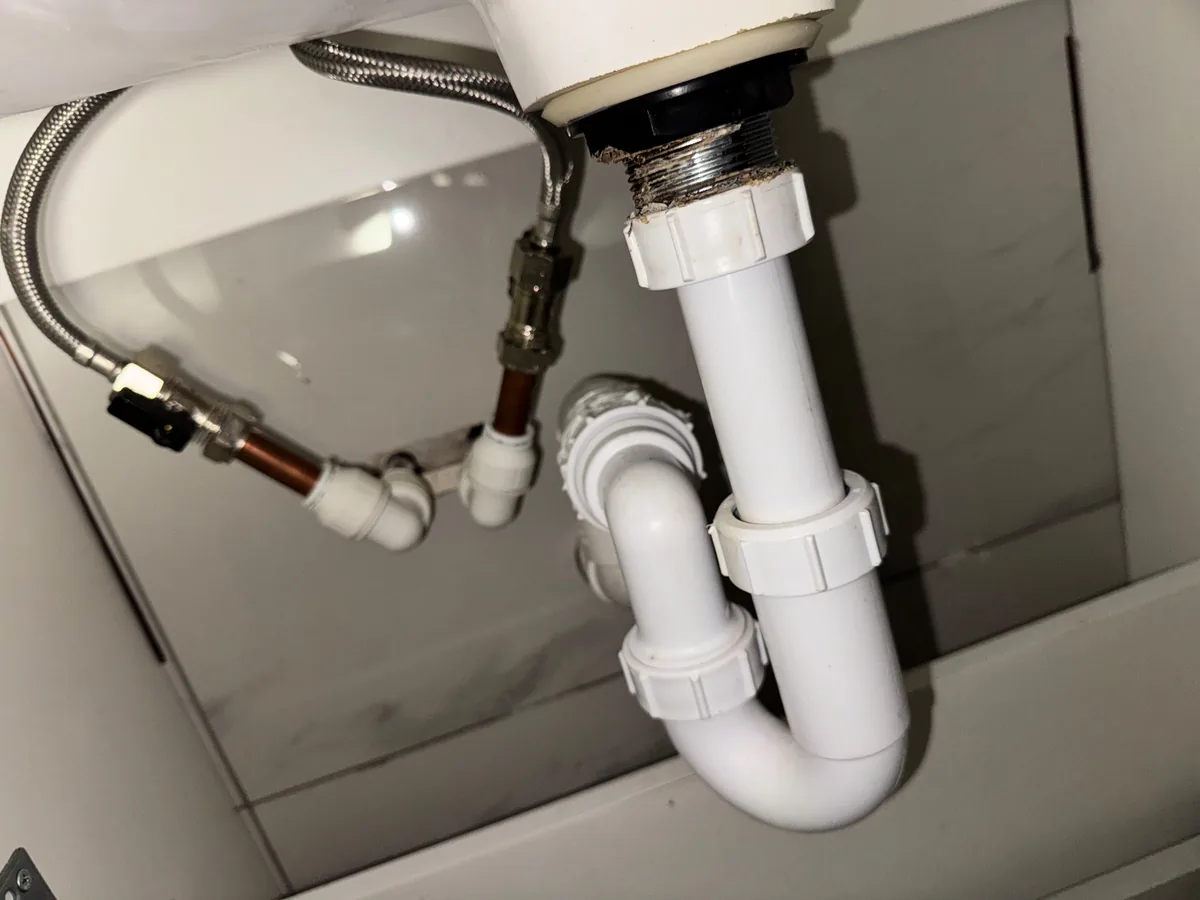
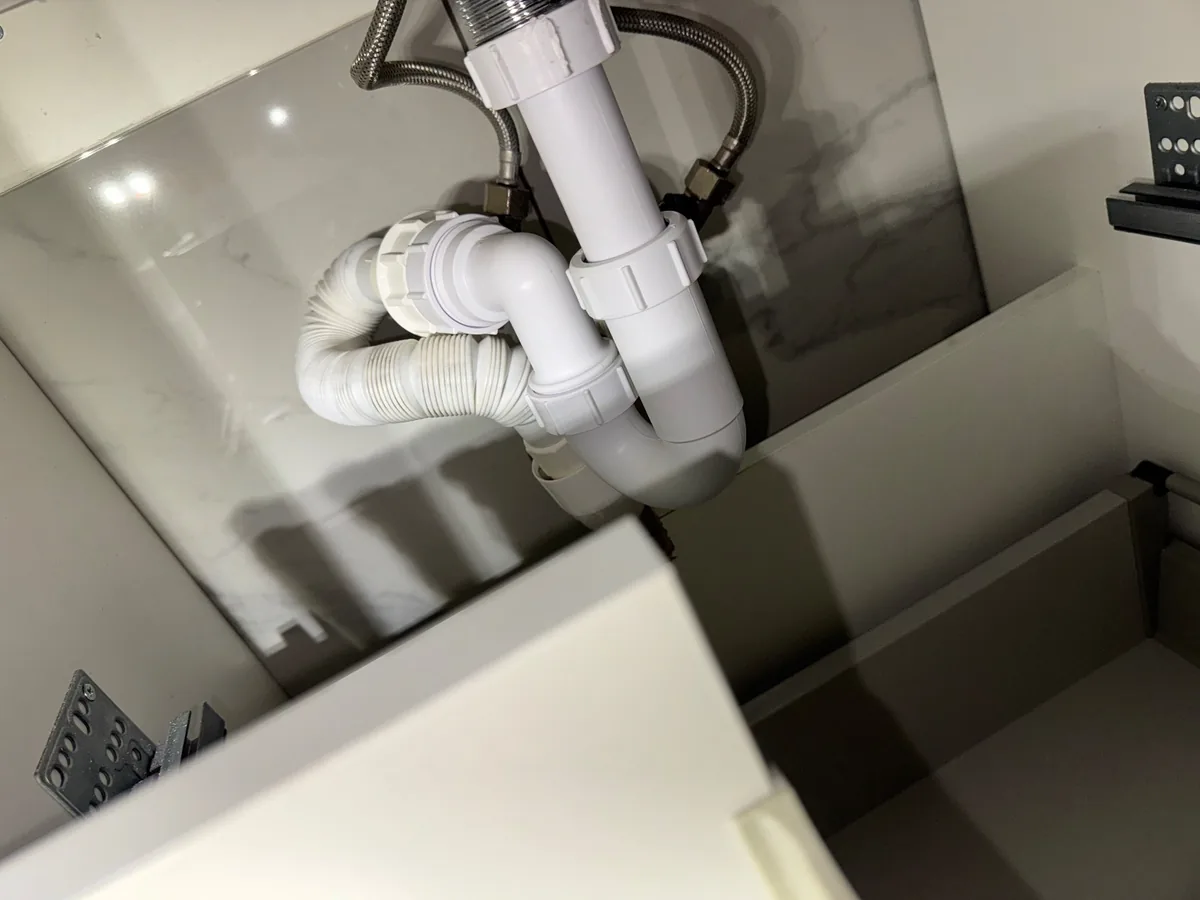
| Wastes | Free flow, sealed traps |
| Bath and shower seals | Intact, no damp below |
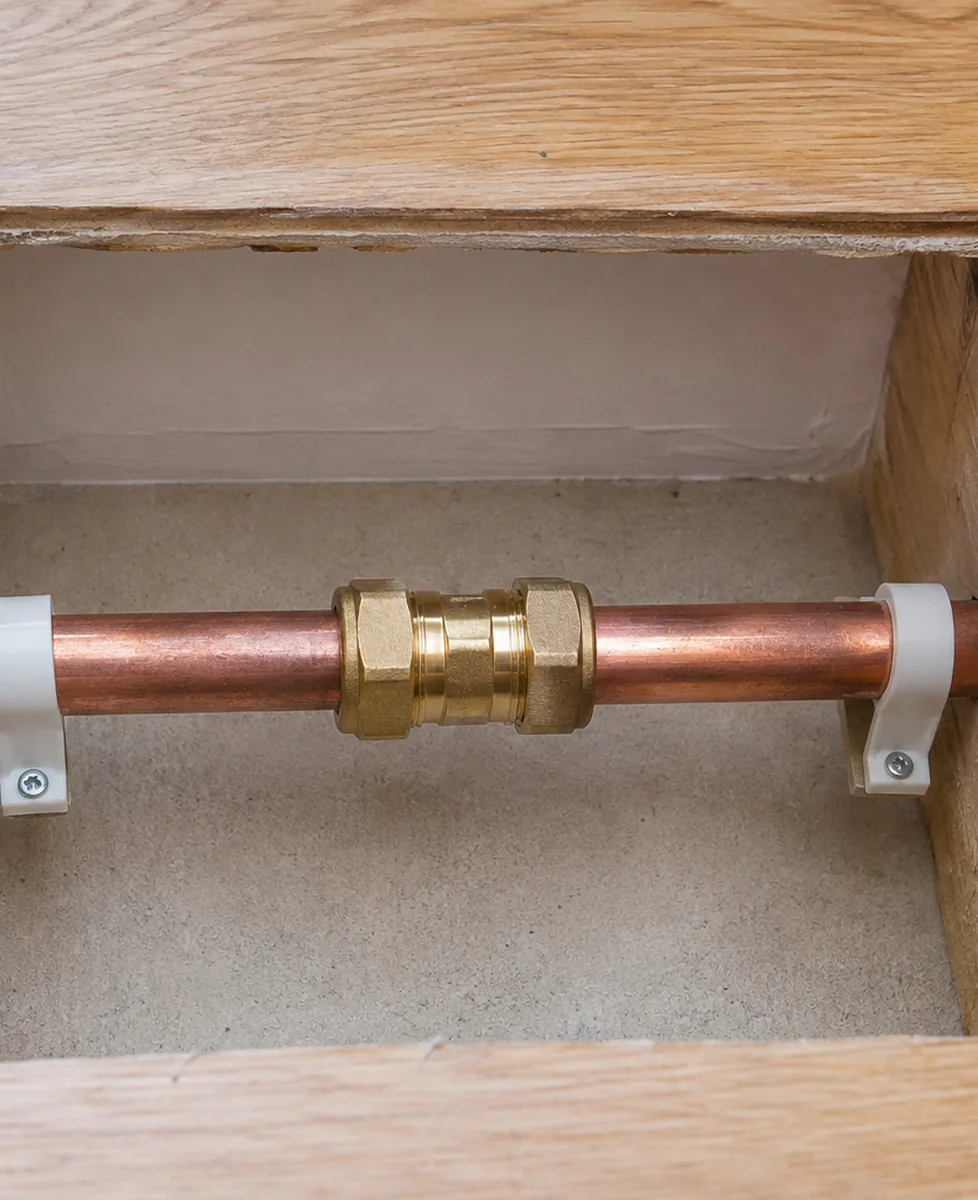
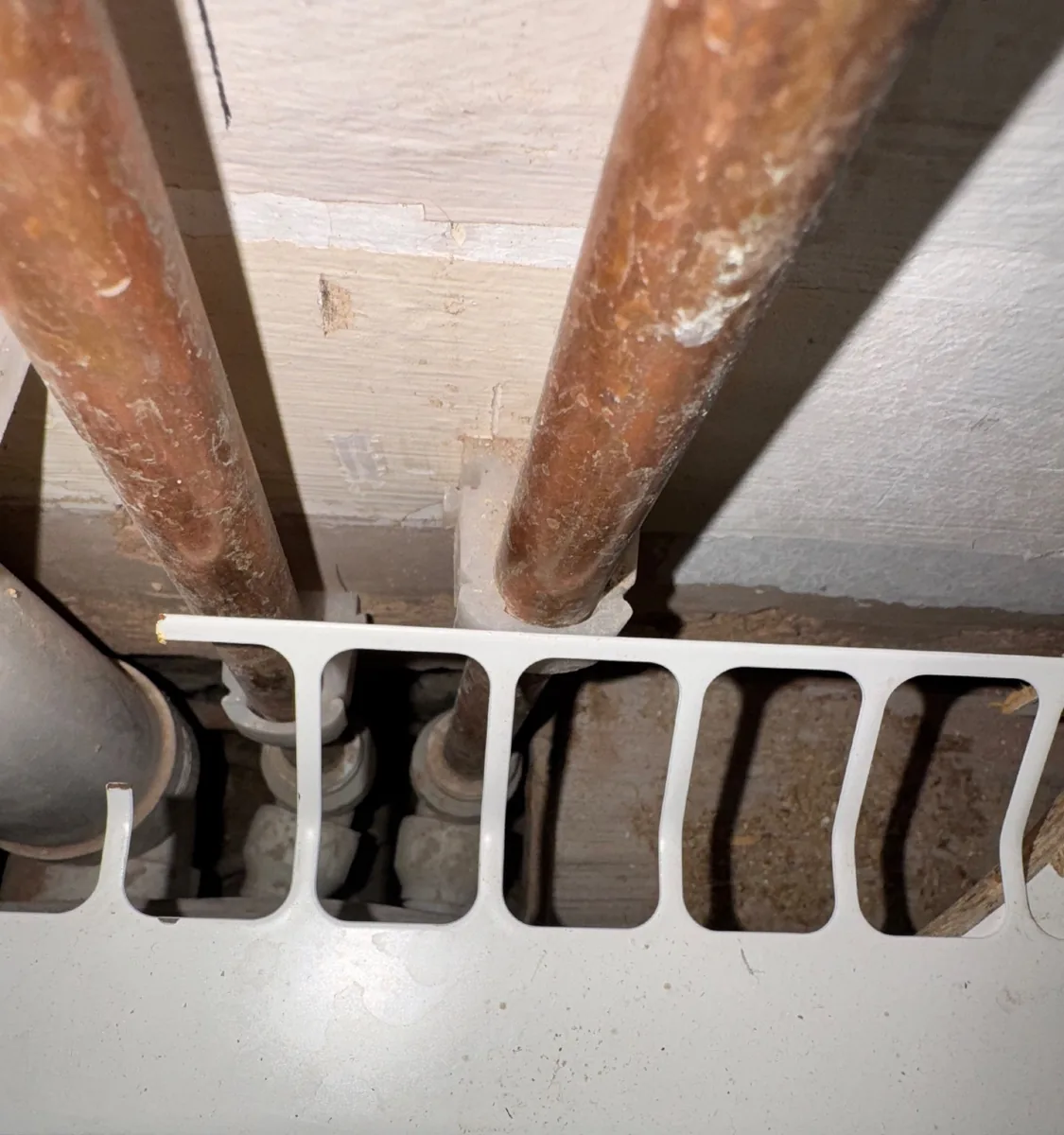
| Visible pipework | Corrosion, support, insulation |
| Unused outlets | Flushed or removed |
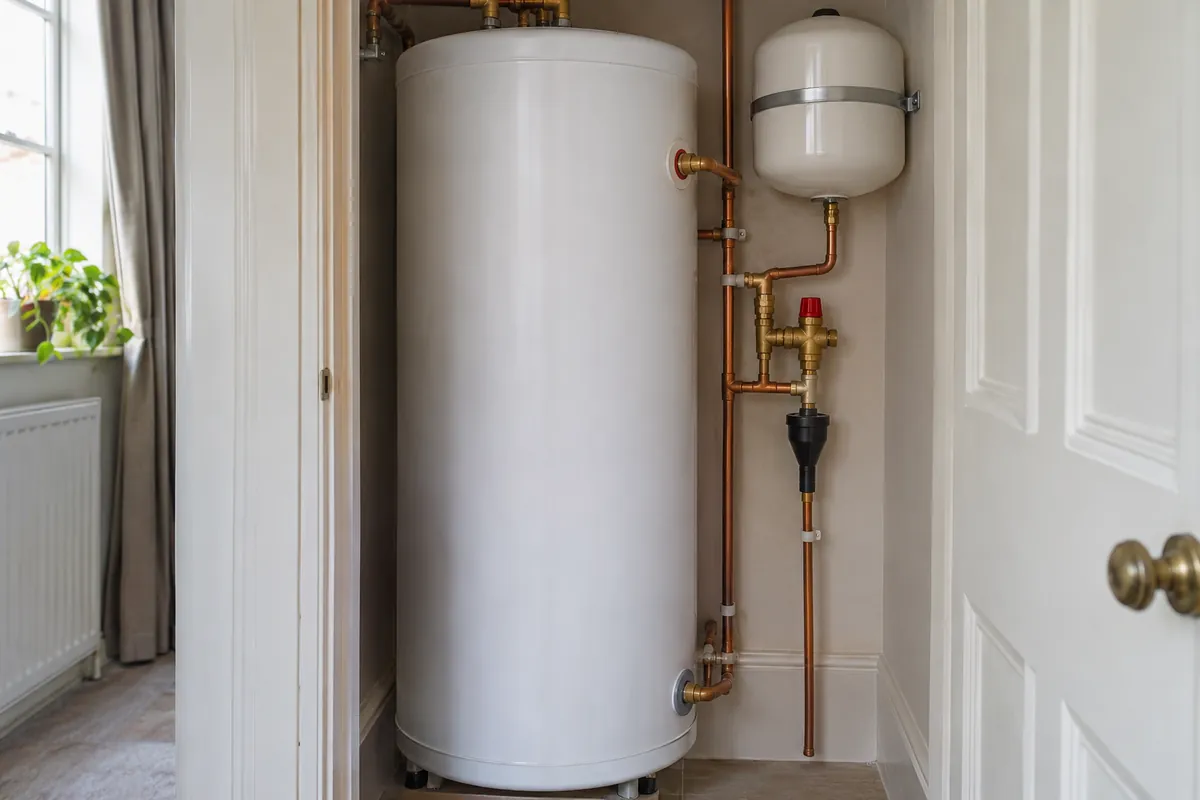
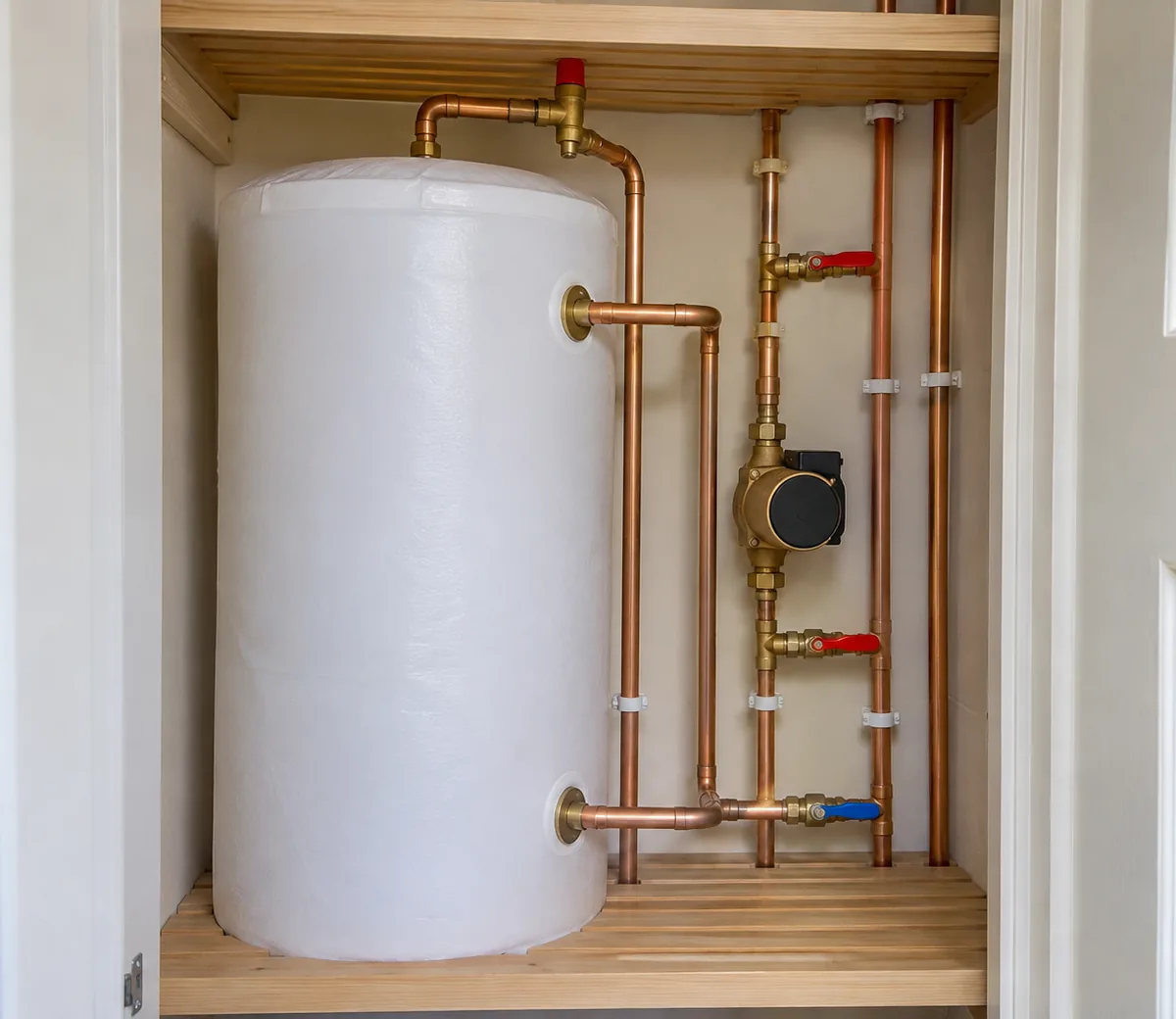
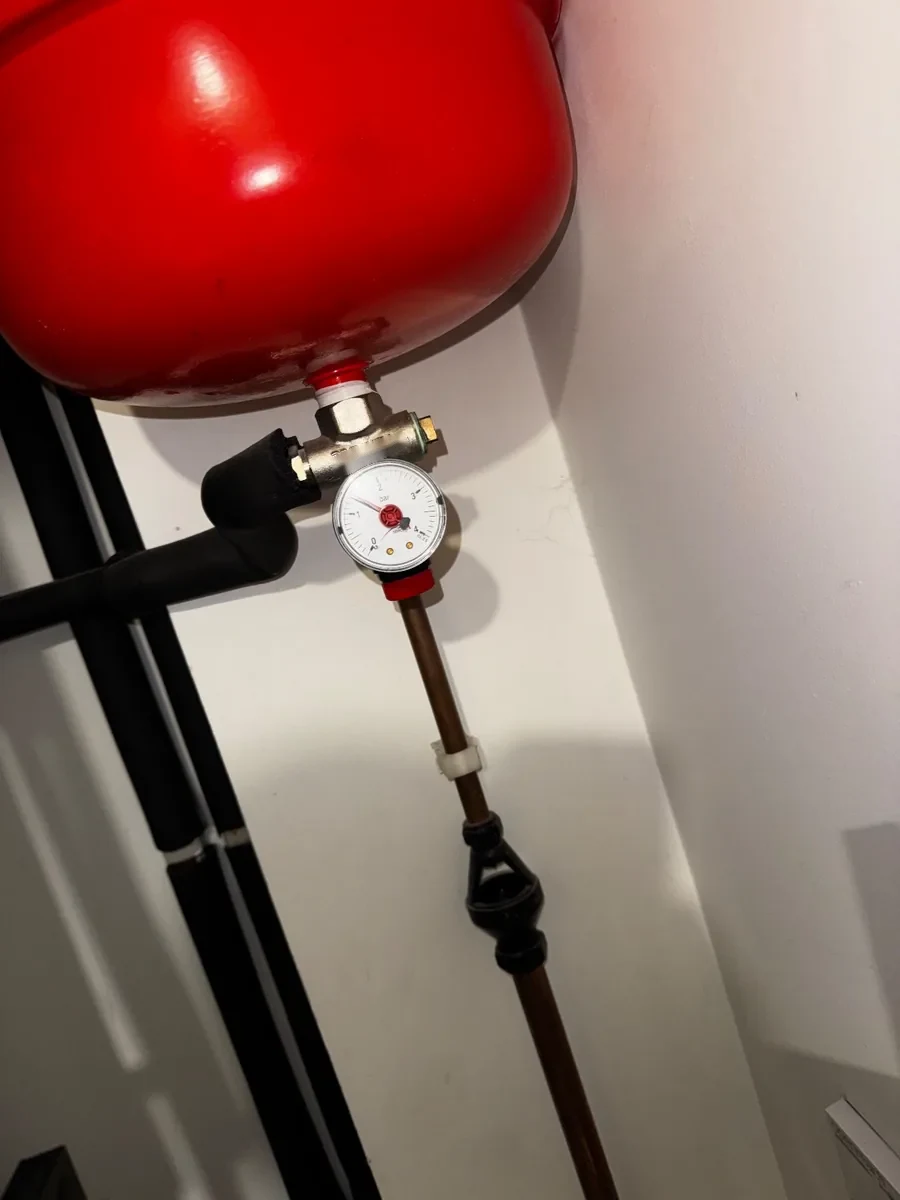
| Cylinder and tank | Condition, lids, insulation |
A property left empty may need water drained or run through, depending on the season and length of vacancy.
Flats and shared services
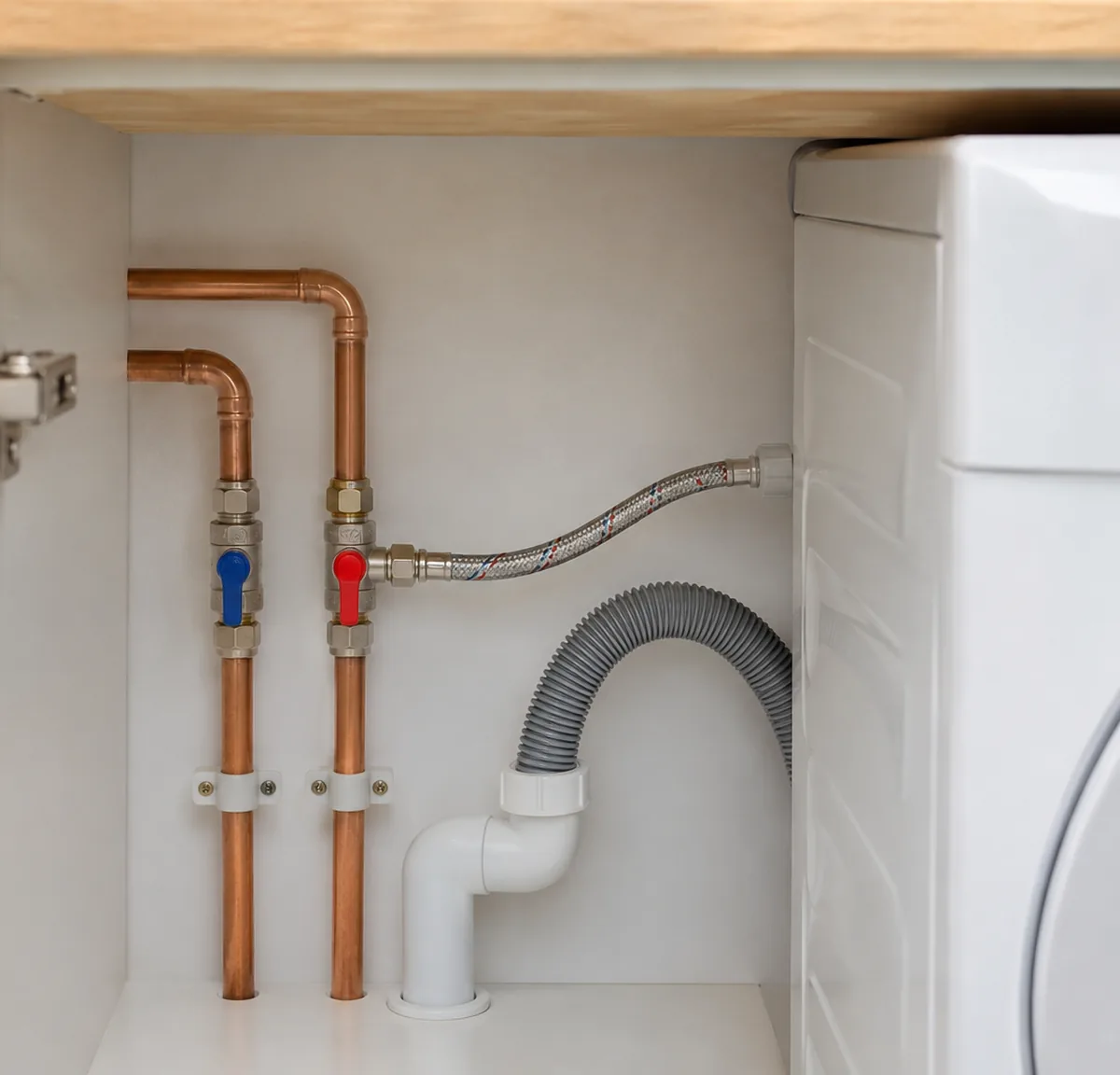
Stacks, risers and communal tanks may fall to the freeholder or managing agent. Identify who controls shared valves and give notice to other residents before shutting them.
Evidence of completion
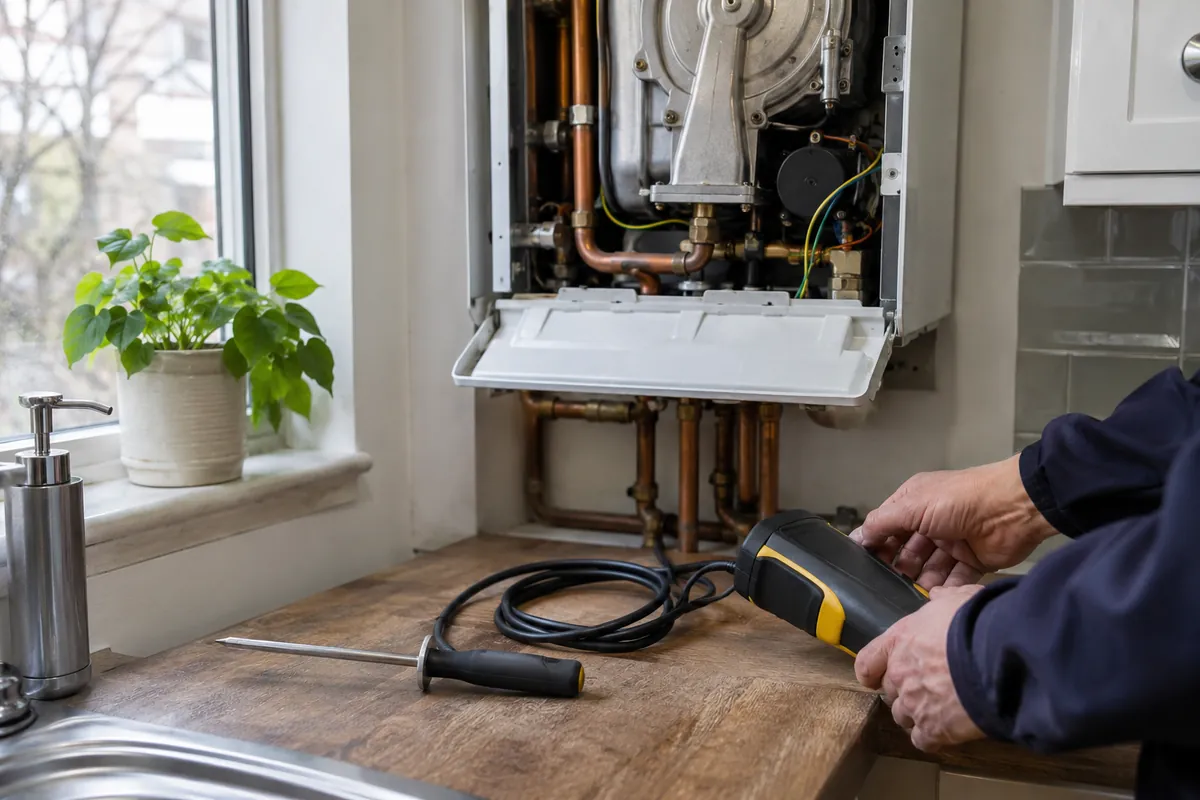
Ask for photographs before and after, the parts changed, the tests performed and anything not accessible. Testing includes pressurised joint checks, repeated operation of the fitting and a drainage run where wastes were disturbed.
Repeat reports
A fault that returns needs a different question from the first visit: what caused the part or pipe to fail? Recurring blockages may involve a defect in the run, repeated valve failure may point to pressure or debris, and returning damp may come from a second source. Keep each report linked to the last, with photographs from the same positions. This gives the landlord, agent and tenant one clear account to work from.
Billing for this work
| Time | Rate |
|---|---|
| Weekday, 1 hour minimum | £110 per hour |
| Evening or weekend | from £140 per hour |
24/7 emergency visits: £110 an hour plus a £60 call-out on weekdays in the daytime, from £140 an hour plus £60 in the evening or at weekends. Booked jobs carry no call-out fee. Materials are extra and agreed first. VAT is not added. Quotation free. Rates verified 28 November 2026: billing detail.
Making an enquiry
Give the property type, tenant contact arrangements you have permission to share, key access and the fault details on the contact form.
Related reading
Blocks and let buildings often need communal water tanks, booster sets, noise from shared pipes, water left standing in an empty home and applying for a separate supply.
At a glance
- Service
- Landlord plumbing
- Area
- All of Greater London (service-area business, no showroom)
- Quote
- Free. Get the price in writing before work starts
- Phone
- 020 3961 8088
Questions
What should a repair record show?
The reported symptom, the cause found, the work and parts, the tests made and any related defect left for approval.
What should a tenant be asked about a plumbing fault?
Which fitting is affected, what happens, when it began, whether water is causing damage and whether the stop valve works.
What is worth checking between tenancies?
Stop and service valves, taps and cisterns, wastes, bath and shower seals, visible pipework, unused outlets and any cylinder or tank.