Pipework and valves
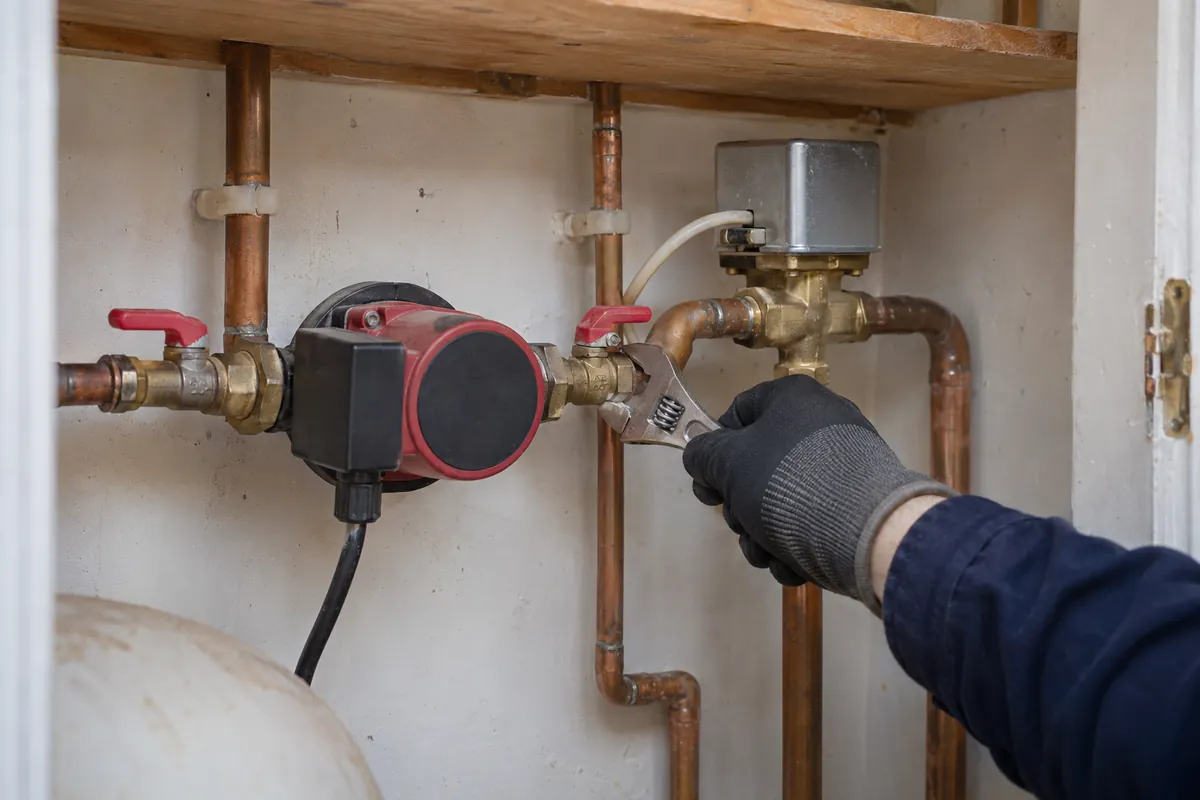
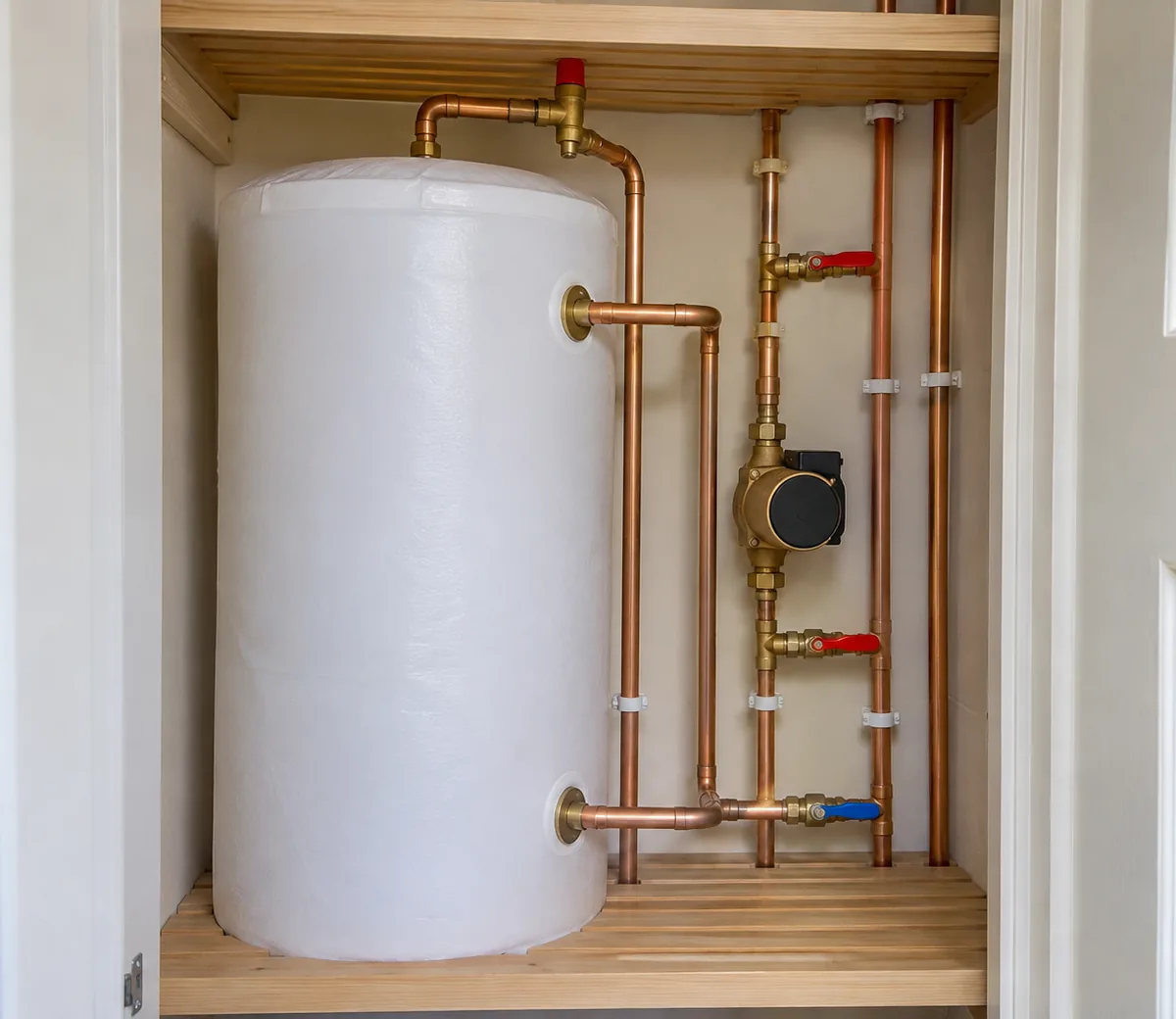
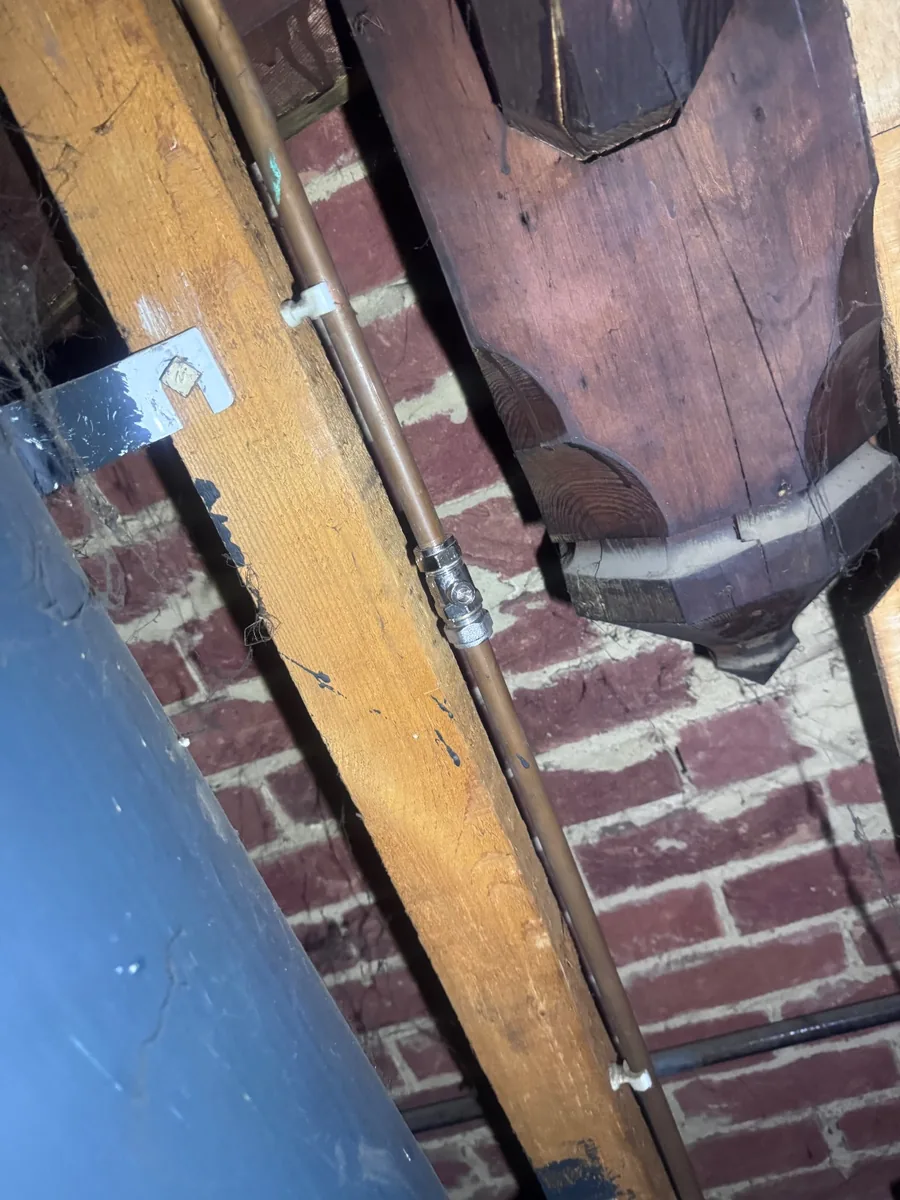
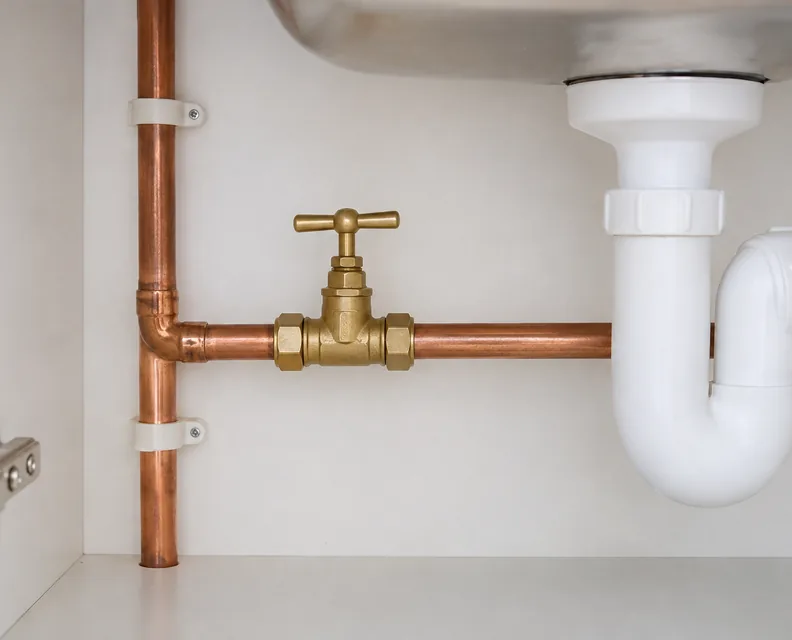
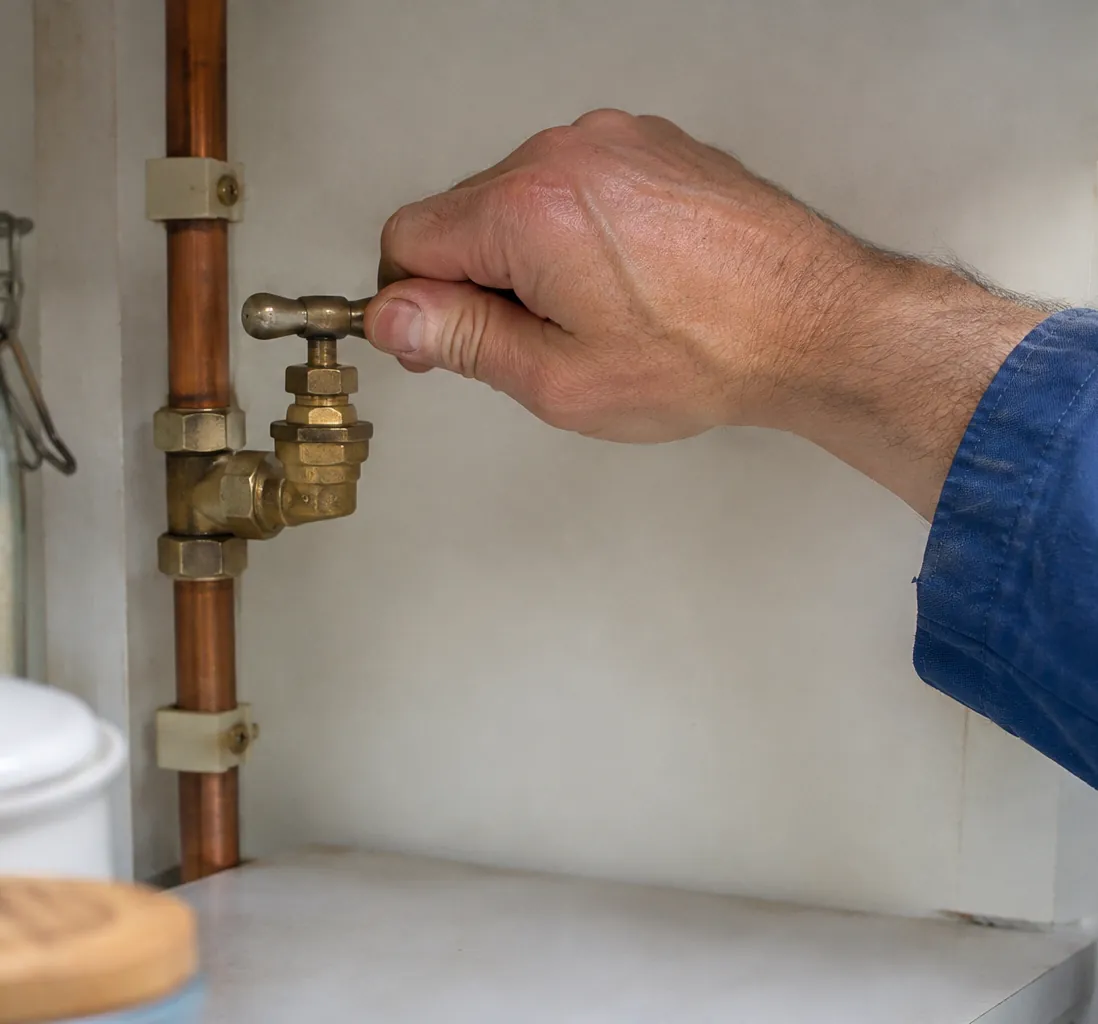
A gate valve is the wheel-headed valve that raises and lowers a wedge inside the body. In homes it is common on pipes leaving a loft cistern, often near the hot water cylinder. Replace it when it will not turn, spins freely, no longer stops the flow or weeps from the spindle and cannot be repaired.
How they fail
- Seized open after years without movement
- Spindle snapped, so the wheel turns but the gate stays put
- Gate detached and stuck shut, starving the outlets below
- Scale or debris on the seat, so water still passes
- Gland leaking around the spindle
A gate valve is meant to be fully open or fully closed. Using it to throttle flow can wear the seating surfaces.
What gets looked at
- Which pipes and fittings the valve controls
- Whether water above it can be stopped at the cistern or must be drained
- Pipe size, often 22 mm or 28 mm on outlets, and any imperial sizes
- Room to swing a lever handle
- Condition of the cistern, its connections and other valves nearby
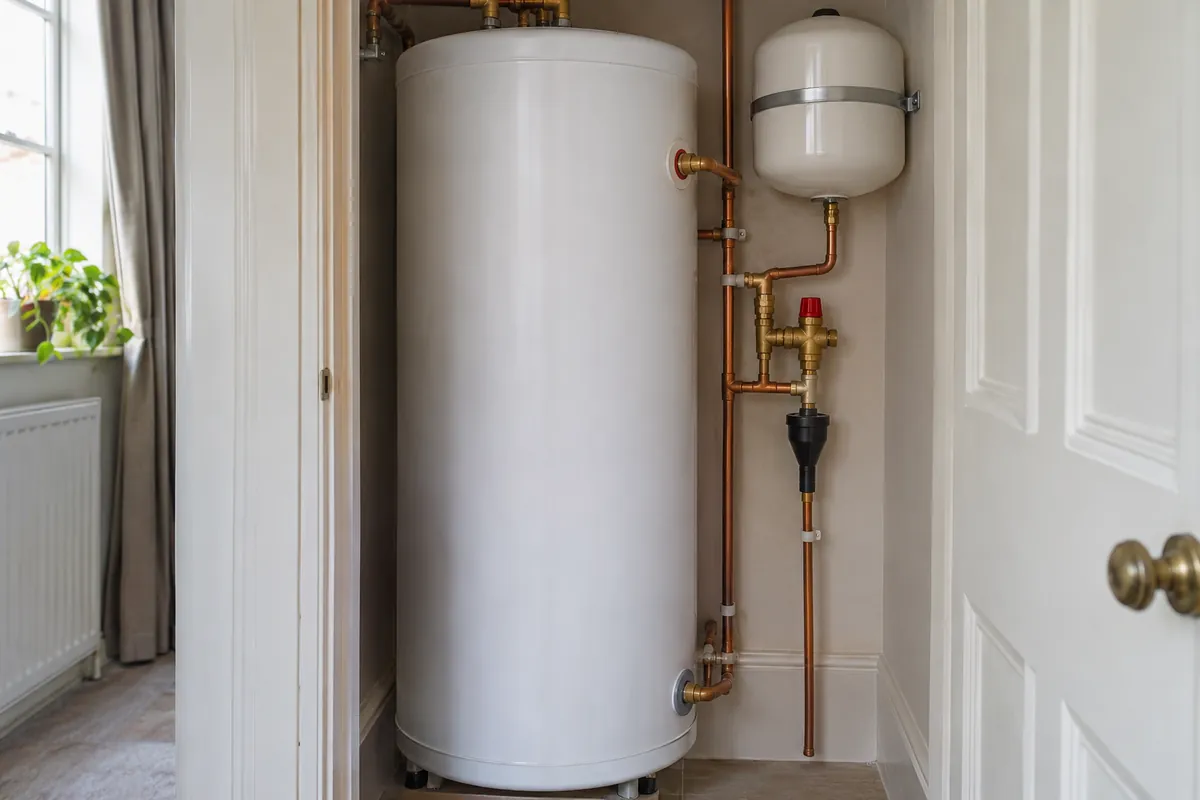
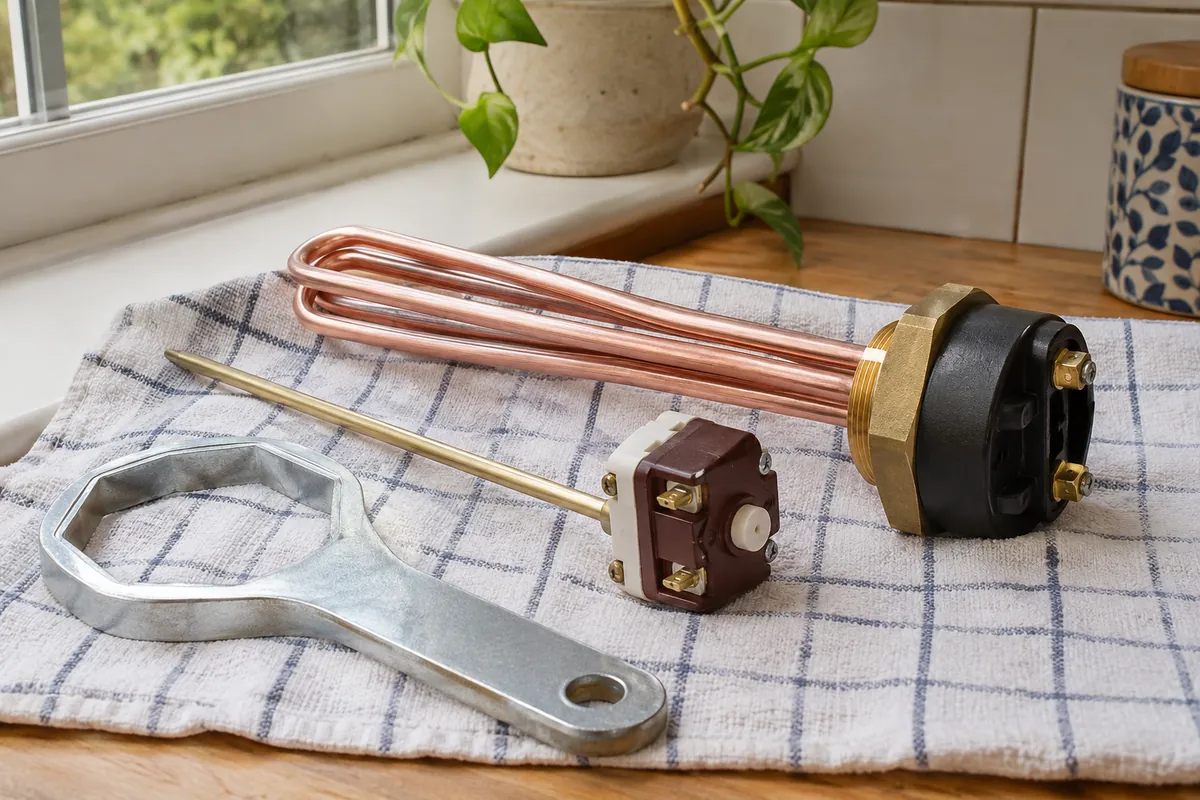
Where the valve feeds a hot water cylinder, the water heater must be made safe before the cold feed is interrupted. Switch off the immersion heater, and involve a suitably qualified person for any heat source.
Holding back the water
The options are to stop the cistern filling and empty it through the outlets, to bung the cistern outlet from inside, or to freeze the pipe below the tank. Emptying is predictable but slow. A bung depends on the shape and state of the outlet. Freezing needs a still, water-filled pipe and gives limited time.
Replacement options
| Replacement | Advantage | Trade-off |
|---|---|---|
| Like-for-like gate valve | Same space and handle | Same tendency to seize if never exercised |
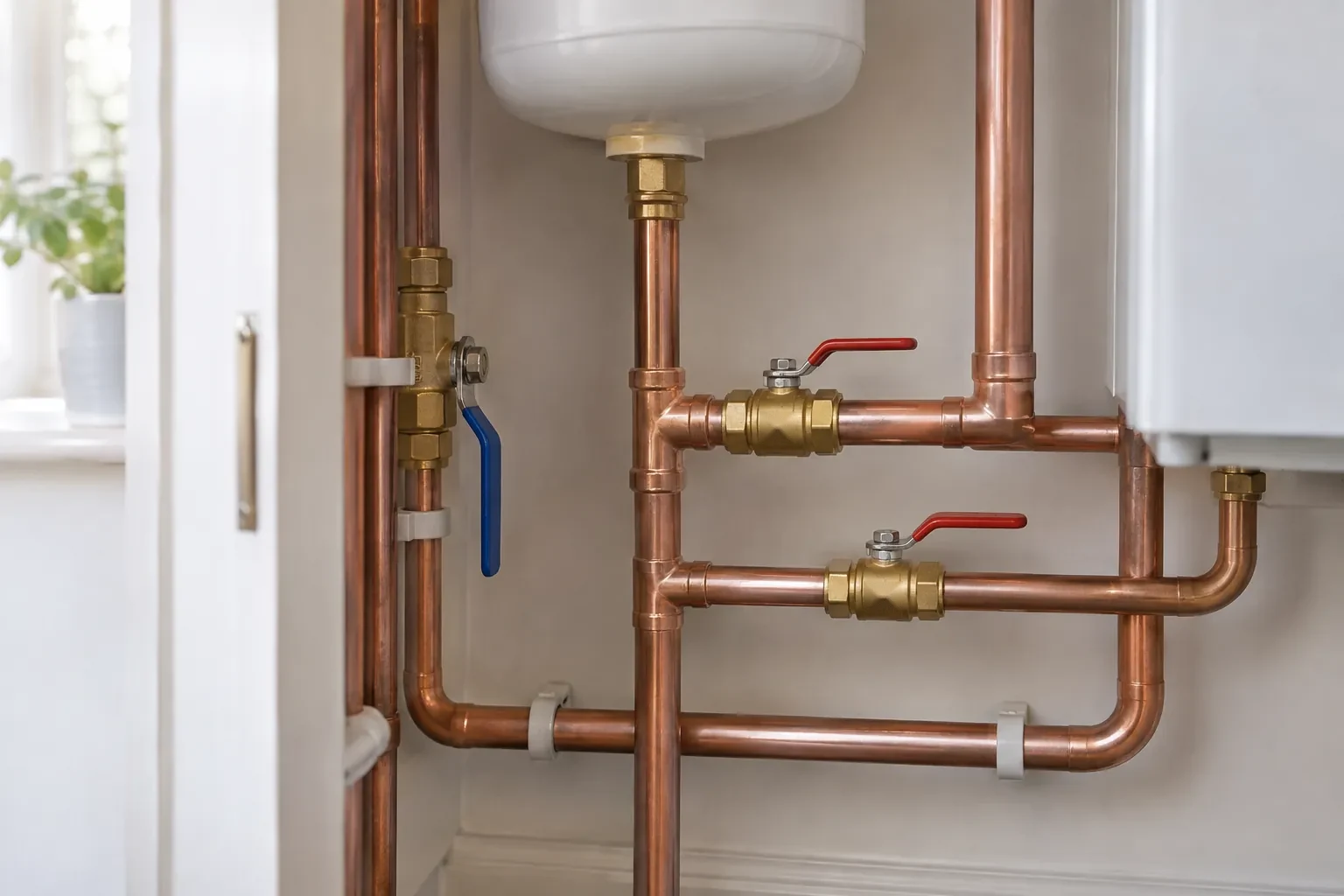
| Full-bore lever valve | Quick visual open or closed, keeps flow | Lever needs clearance and should be protected from knocks |
| Quarter-turn slotted valve | Compact | Reduced bore may weaken gravity-fed outlets |
On gravity-fed pipework, bore matters because there is little pressure to spare. Schedule 2 of the Water Fittings Regulations requires a servicing valve on the outlet of storage cisterns except one supplying water to the primary circuit of a heating system, so removing one without replacement is not an option.
The usual sequence
- Identify and isolate the supply to the cistern, and make the heater safe
- Hold back or drain the water
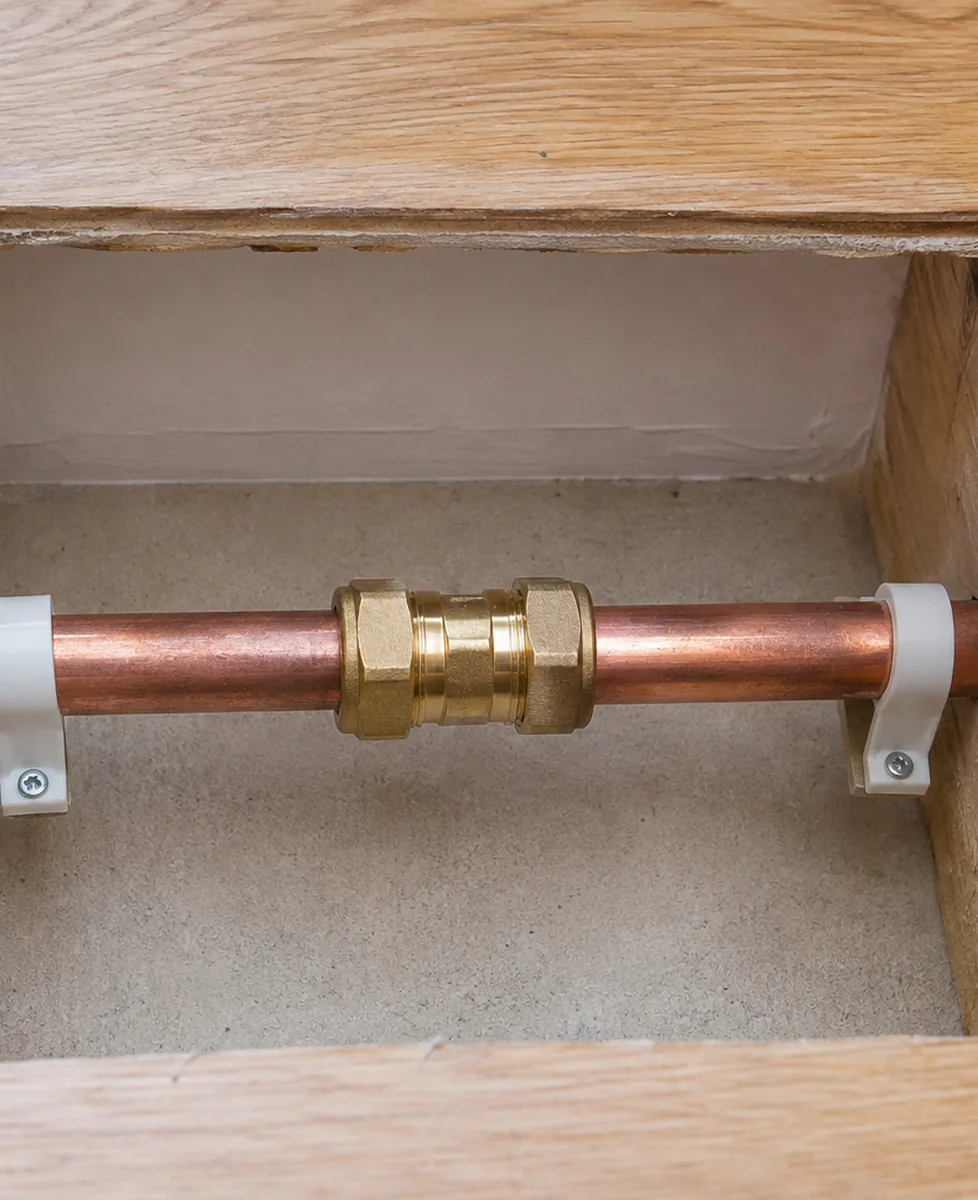
- Cut out or unscrew the old valve and prepare the pipe ends
- Fit the new valve in a reachable position
- Refill slowly, clear air at the outlets, check joints
What changes the price
Loft or cupboard access, pipe size, whether the cistern connections are brittle, how many valves are changed in the same visit and whether corroded pipe must be renewed.
Ask for a quote
The contact form should list the affected outlets. By email, add pictures covering valve, cistern and linking pipework.
Related reading
For older wheel-headed valves, see gate and ball valves compared and leaks at the stem.
At a glance
- Service
- Gate valve replacement
- Area
- All of Greater London (service-area business, no showroom)
- Quote
- Free. Get the price in writing before work starts
- Phone
- 020 3961 8088
Questions
My gate valve is stuck. Can I use a wrench on the wheel?
It is a poor idea. The spindle or gate can break, leaving the valve shut, open or leaking. Leave it and have it replaced.