A hum has two parts: something that vibrates, and something that makes the vibration audible. The first is usually a valve, a pump or fast-moving water. The second is a length of pipe that is touching timber, plasterboard or another pipe, or is not held firmly. Curing only the second often makes it quieter without ending it.
What you are likely to notice
- A steady drone while a cistern fills, ending when it shuts off
- A buzz at one particular tap opening, which disappears if you open it more or less
- A shudder through the floor when a pump starts
- A hum that comes and goes without anyone using water
The last one belongs with noises with nothing running.
Two-minute check
- Note exactly what is running when it starts. Try each cold outlet, hot outlet and WC in turn.
- If you have a booster or shower pump, notice whether the sound begins with the motor. Do not remove covers.
- Rest a hand on exposed cold pipework while the hum is on. If holding the pipe changes the note, support is part of the problem. Avoid hot pipes.
- Look in cupboards and under floors you can already open for clips that have pulled away, or pipes pressed hard against holes in joists.
Observation, cause, fix
| Observation | Likely cause | Who can fix it |
|---|---|---|
| Only while one cistern fills | Fill valve oscillating as the float rises | Plumber or capable DIYer |
| Loft tank refilling after a flush or bath | Faulty or vibrating float valve in the cistern | Plumber |
| One tap, at one opening | Loose washer or cartridge part | Plumber |
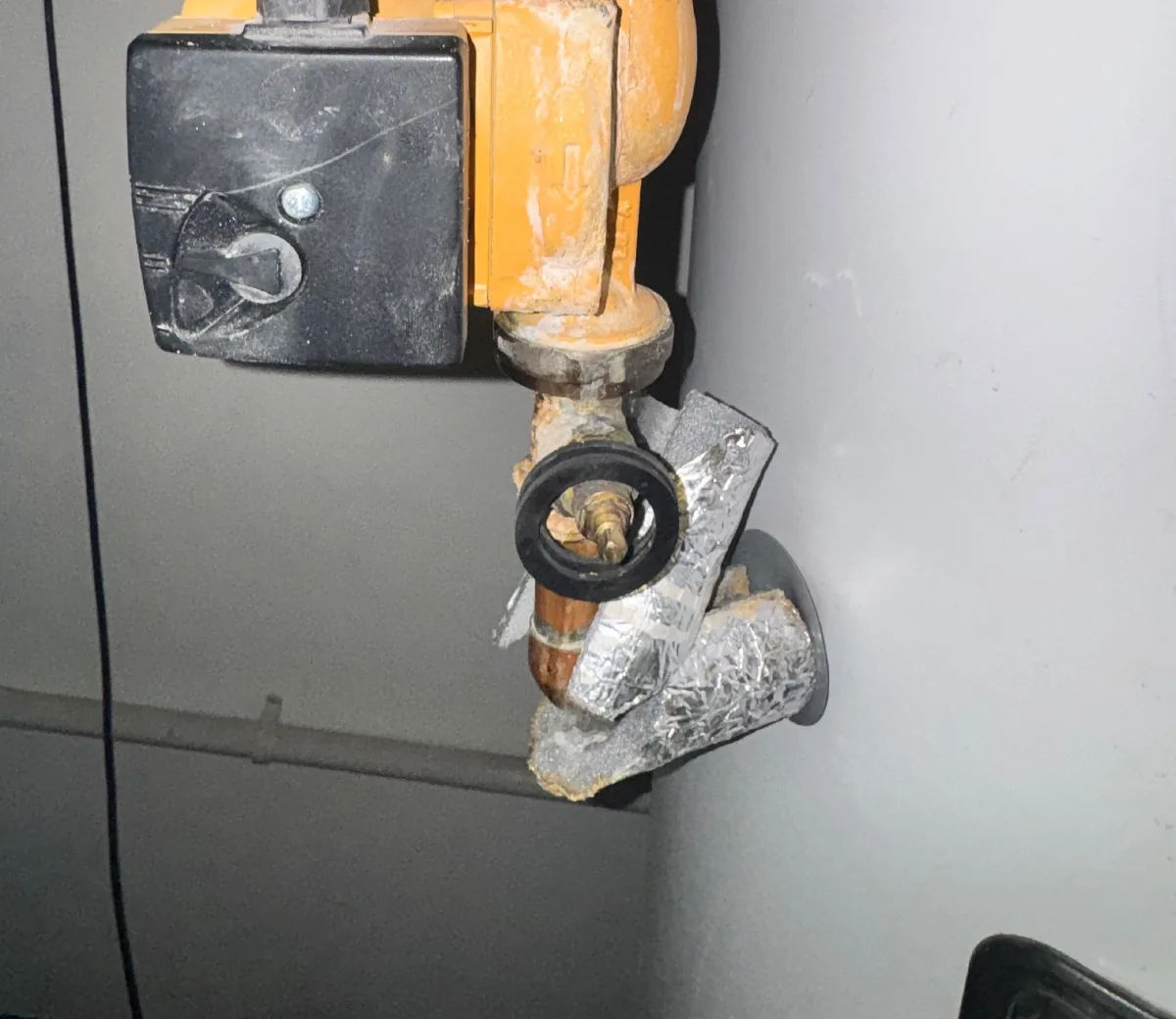
| Starts with a pump | Pump mounting, rigid connections, worn bearings, air | Plumber familiar with the pump |
| Several outlets, with a hard fast flow | High pressure or high velocity | Plumber, after measuring |
| Pipe visibly shaking | Missing or loose supports | You, where the pipe is accessible |
WaterSafe lists faulty ball valves, badly clipped pipes, trapped air at the stop tap and loose washers in stop taps as causes of banging pipework.
Scottish Water's guide to noise in pipes names a faulty or vibrating ball valve in a storage tank as a cause of humming and says replacing it often cures it. See float valve types.
How far apart clips should be
For surface-mounted plastic push-fit pipe, the John Guest Speedfit technical guide recommends:
| Pipe size | Horizontal spacing | Vertical spacing |
|---|---|---|
| 10 to 15 mm | 300 mm | 500 mm |
| 22 mm | 500 mm | 800 mm |
| 28 mm | 800 mm | 1,000 mm |
The same guide says not to clip closer than 60 mm to the end of a fitting, so the pipe can expand. These are one manufacturer's figures for its own product; copper and other systems have their own.
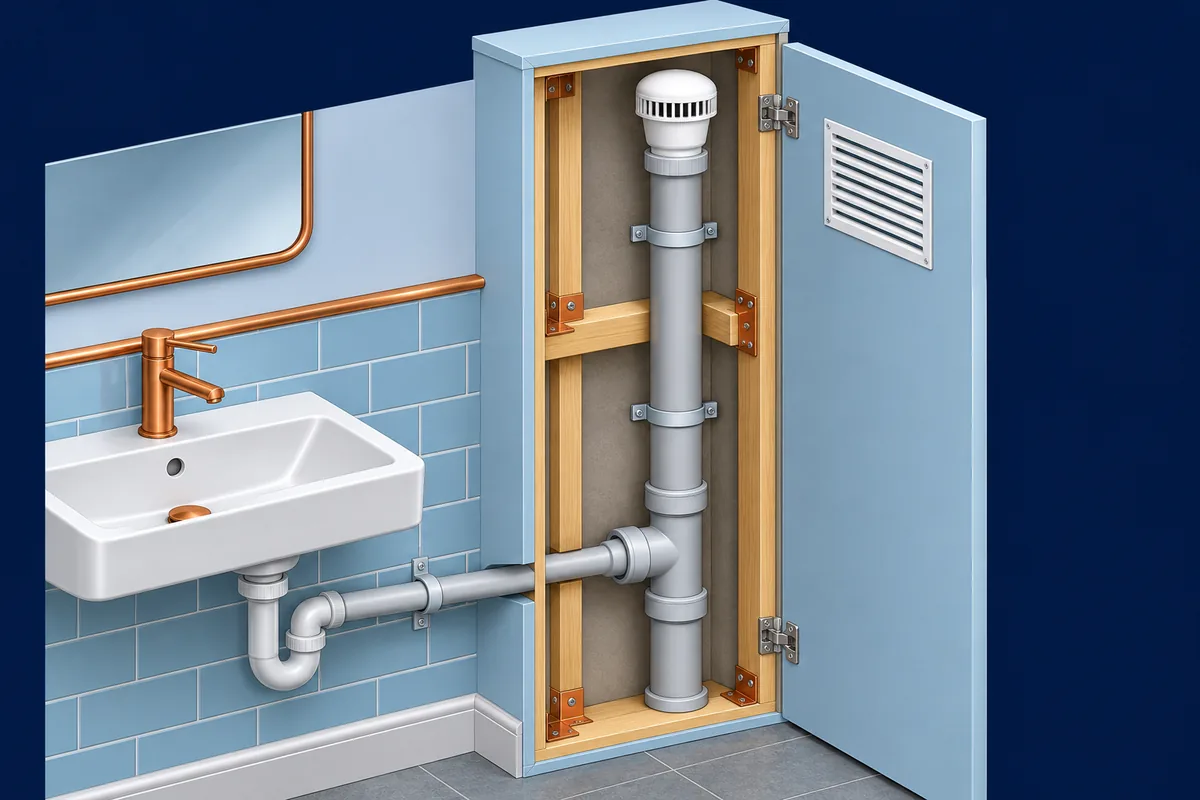
A clip should hold the pipe without crushing it. Where a pipe passes through a notch or hole, a sleeve or felt pad stops it bearing directly on timber.
When to stop
If there is water where there should not be, turn off the supply and get urgent help. If a pump hums but does not turn, smells hot or trips the electrics, switch it off at its isolator if you can reach it safely and have it checked.
What a visit involves
The plumber would trigger the noise, close isolating valves to split the system into sections, measure pressure if several outlets are involved, then open access where the sound is strongest. The remedy might be a new fill valve or cartridge, flexible pump connections and anti-vibration mounting, extra supports, or a reducing valve where pressure justifies one. Lifting floors changes the size of the job, so say if access is difficult. If the noise follows the circulator, see faults on the heating circuit. Sludge in that circuit is a matter for pumped cleaning of heating circuits.
Send this
Give the trigger, floor type, any recent changes and whether you have a pump or loft cistern on the contact form. A recording can follow by email.
Questions
Are humming pipes dangerous?
The sound alone does not tell you. Continuous vibration can rub pipes against joists and strain joints, so it is worth tracing, and any leak means turning the supply off.
Will adding pipe clips stop the hum?
Clips stop pipework resonating or knocking, but they do not remove the vibration at its source, which may be a valve, a pump or high pressure.
Why do pipes hum after the toilet is flushed?
The fill valve in the WC, or a float valve in a loft tank that tops up afterwards, may be vibrating as it closes. Listen at each while it refills.